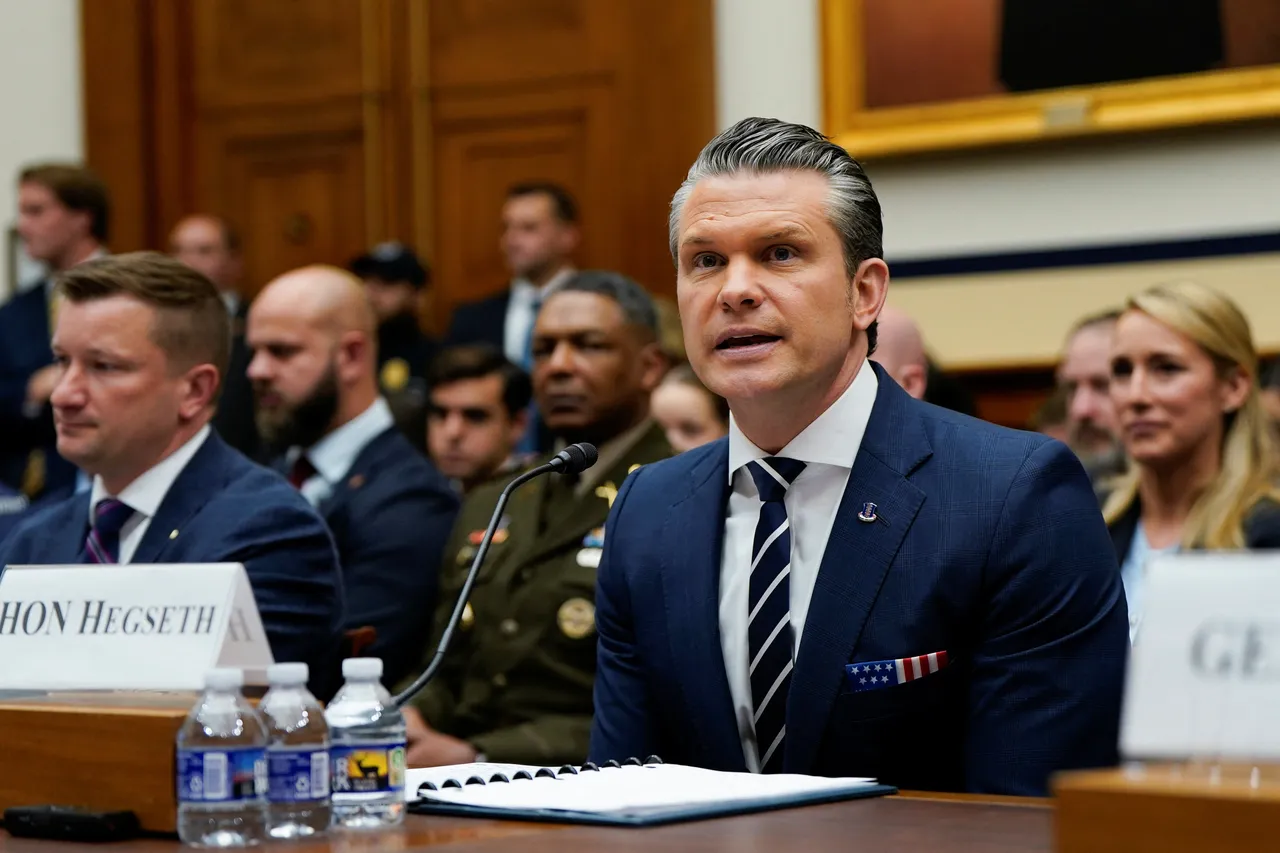
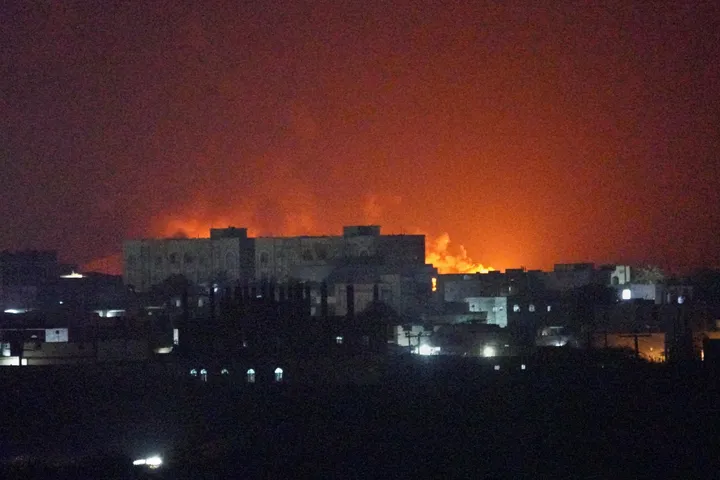
US Defense Secretary Pete Hegseth has made initial comments and faced questions from lawmakers about the US-Israel war on Iran during his first testimony to Congress since the start of the conflict on February 28, which has killed or wounded thousands and caused one of the biggest energy supply shocks in modern history.
Appearing before the House Armed Services Committee on Wednesday, Hegseth in his initial comments defended the Trump administration’s proposed $1.5 trillion defence budget, calling the massive increase essential to meet "current urgency," expand the defence industrial base and replenish stocks of munitions depleted by the two-month-old war.
Hegseth emphasised the need for more drones, advanced missile-defense systems and additional warships to sustain operations in the region.
Lawmakers from both parties have previously expressed dissatisfaction with the information provided in classified briefings on the war, setting up a fiery public hearing in which top US military officer General Dan Caine is also testifying.
"The biggest challenge, the biggest adversary, we face at this point are the reckless, feckless and defeatist words of congressional Democrats and some Republicans," the US defence secretary told lawmakers.
Representative Adam Smith, the ranking Democrat, told Hegseth that he finds it "absurd" to claim that the Pentagon’s strategy is built on realism when the war in Iran seems like "the exact opposite of realism."
Smith also said Hegseth needs to explain what the Trump administration’s goals were for the conflict.
"We’ve seen the cost, and the cost is very, very high," he said.
"We started a full scale war in the Middle East against Iran to try to reshape the Middle East," Smith said, adding that was the exact opposite of realism.
Smith said Hegseth needs to provide an explanation of what the Trump administration’s goals are in the Middle East.


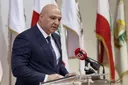

"Where is this going? What is the plan to achieve our objectives? We’ve seen the cost, and the cost is very, very high," he said.
Hegseth argued that the historically high Pentagon budget request will maintain "the world’s most powerful and capable military as we grapple with a complex threat environment across multiple theaters."
'Down payment on the future'
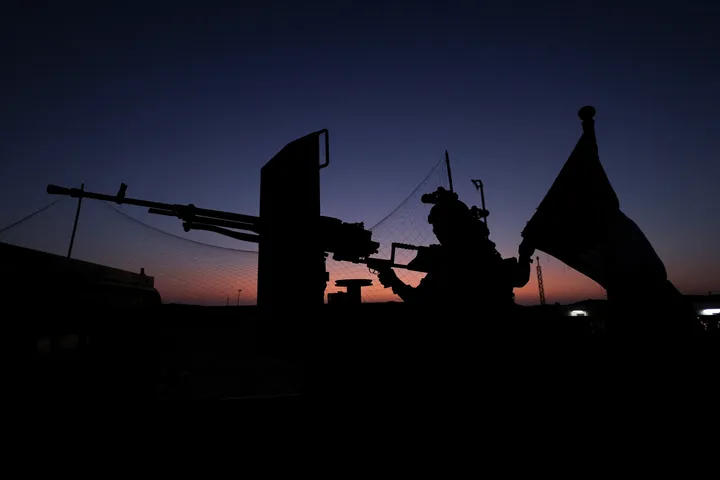
The US-Israeli war on Iran is now nearing its 60th day under a fragile Pakistan-mediated ceasefire.
Democrats have criticised the war as unauthorised, prohibitively expensive and lacking a clear exit strategy.
Republicans have largely supported the president’s decision to strike Iran but expressed irritation over the conflict’s duration, mounting costs, strained munitions stockpiles and recent shakeups in Pentagon leadership.
Asked about the $1.5T defence budget request, Joints Chiefs of Staff Chairman Dan Caine hoped the budget is approved, and ultimately deployed, calling it "an important down payment on the future."
"As we look at the character of warfare changing very, very fast. What's layered in to this budget by our civilian leaders will allow us to start getting ahead of where technology is evolving. And as I mentioned, the character of war fighting is changing pretty quickly," he said.
"Mass, simultaneity, autonomy, undersea, space, cyber information. All of those ways that are now manifesting themselves on the battlefields around the world, require a higher end of capital investment, and that's why we're grateful for the opportunity to have this budget make its way to the joint force," Caine added.