 Sadiq S Bhat
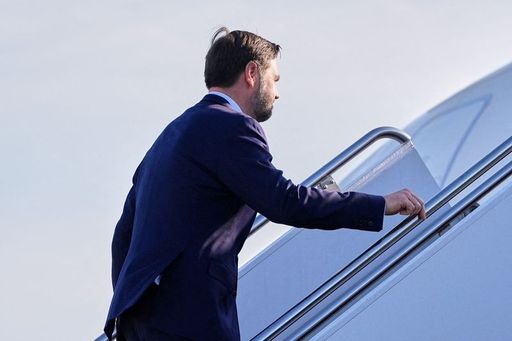
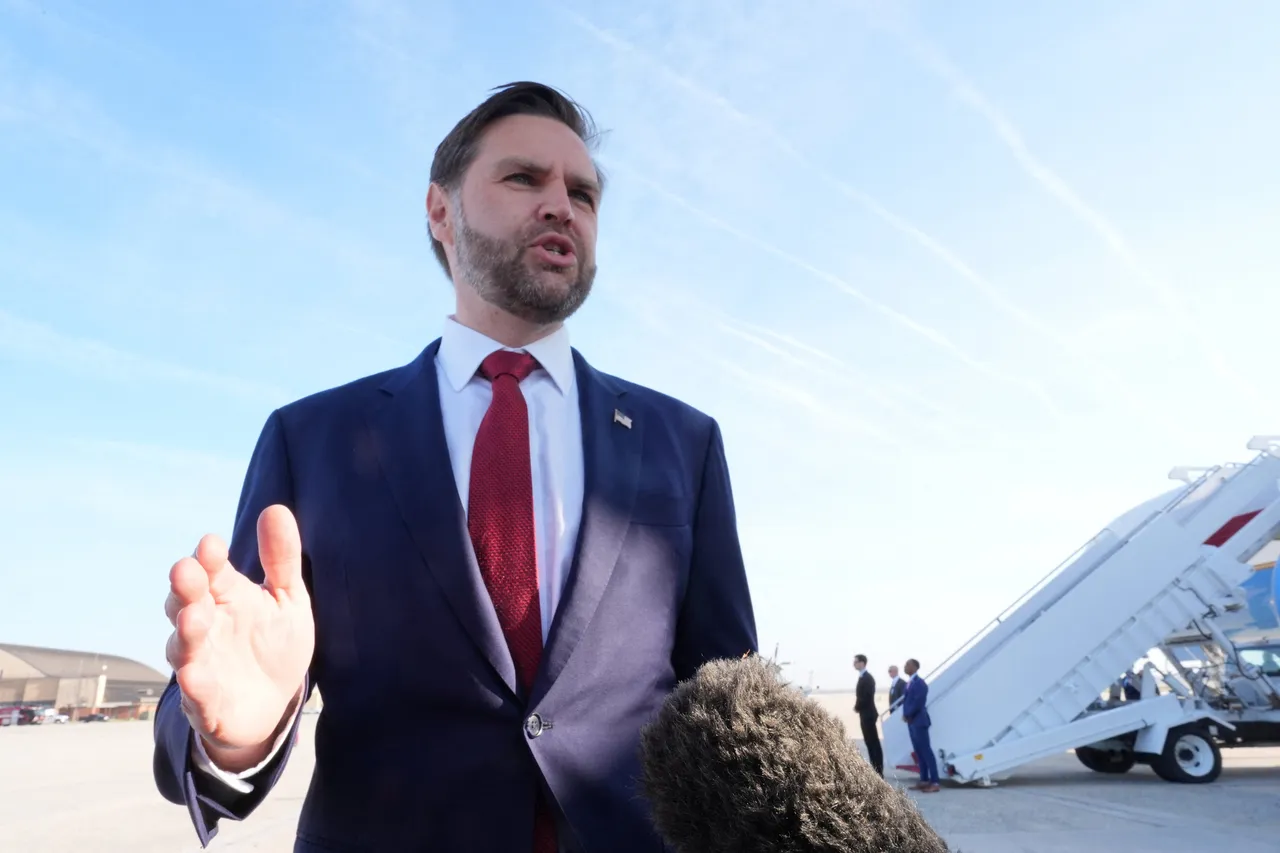
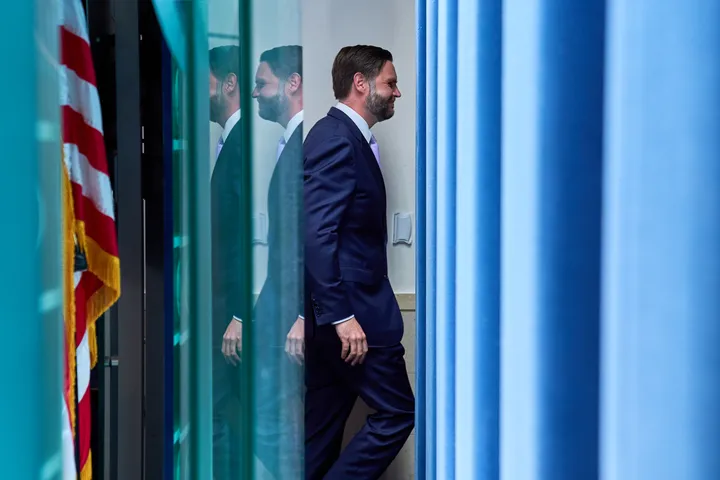
Washington, DC — US Vice President JD Vance is heading to Pakistan’s capital, Islamabad, to lead US talks with Iran, in what is shaping up as the most significant diplomatic test of his tenure and a key early moment for the Trump administration’s post-ceasefire strategy in the region.
David Levine, a US foreign policy expert and professor at the University of California, told TRT World the talks carry unusual weight and reflect an unconventional choice of negotiator.
“These talks are very significant. Certainly, it is the most important negotiation the United States has engaged in with Iran since the agreement President Obama made approximately 10 years ago.
It is very unusual for a vice president to handle these negotiations. It is especially unusual given that Vice President Vance has only been in that office for a little over one year and was a US senator for only two years,” Levine said.
He added that the current diplomatic structure in Washington appears to rely heavily on a small circle of trusted figures rather than on the traditional State Department machinery.
“Given the way Trump seems to like to rely on a tight circle of people he trusts personally, I assume that Vance is not utilising the deep experience in the State Department this time around,” he said.
Vance will lead the US delegation in Islamabad on Saturday morning, joined by special envoy Steve Witkoff and senior adviser Jared Kushner.
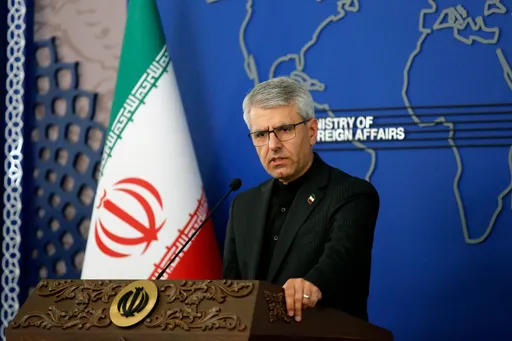
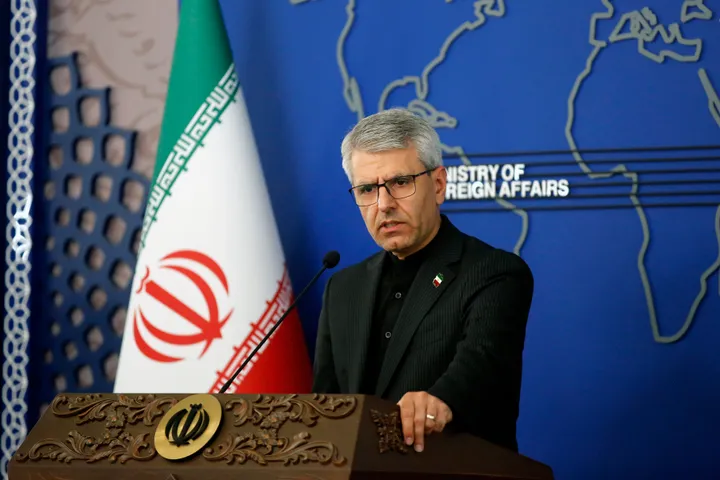
The Iranian side is likely to be represented by the country’s foreign minister, Abbas Araghchi, and Parliament speaker, Mohammad Bagher Ghalibaf.
The talks come just days into a fragile two-week ceasefire brokered with Pakistani mediation, after nearly 40 days of US-Israeli military attacks on Iran.
It would mark the highest-level engagement between US and Iranian officials since 1979.
Breakthrough moment or pressure test?
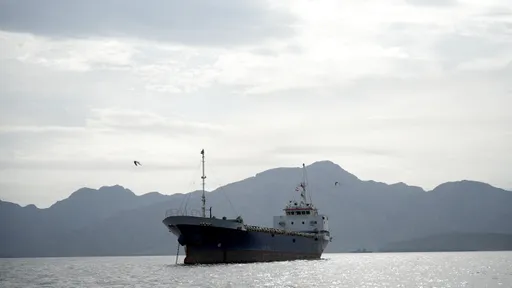
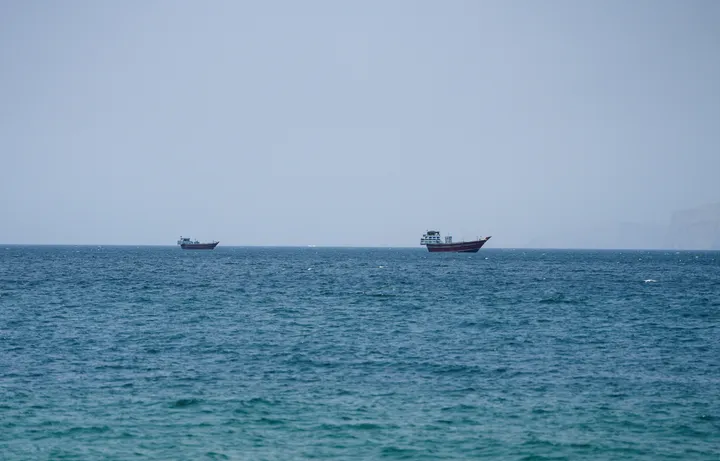
The ceasefire, announced by Trump on April 7, followed a self-imposed US deadline that threatened strikes on Iranian infrastructure if Tehran did not fully reopen the Strait of Hormuz.
Speaking before his departure to Pakistan, Vance said the US is approaching the talks with cautious optimism.
“I think it’s going to be positive,” he said, adding that progress would depend on Iran’s willingness to engage in good faith.
David N. Gibbs, professor of history at the University of Arizona, told TRT World that Vance’s role reflects shifting political currents inside the Republican Party and competing pressures on the administration.
“JD Vance represents a wing of the Republican party and the Trump administration that has always opposed the Iran war from the beginning. Vance also reflects a broader tendency that favours a permanent reduction in America's overseas presence. For Vance ‘America First’ means a reduced level of external military interventions and some degree of independence from the Israel Lobby,” Gibbs said.
He added that the talks will take place under competing regional and domestic pressures.
“On the other hand, Benjamin Netanyahu seems eager to sabotage the nascent ceasefire and to convince the Trump administration to re-engage with combat operations against Iran.

Vance will need to balance these competing pressures, and he will certainly have his hands full,” he said.
Whether Vance, seen as a potential frontrunner for the 2028 Republican presidential nomination, can hold together Trump’s political base amid a divisive conflict will be tested in these talks.
The fragile ceasefire has held for only days, with Iranian officials accusing the US and Israel of violations, particularly over continued Israeli actions in Lebanon. Tehran has questioned whether negotiations can proceed under what it sees as broken commitments.
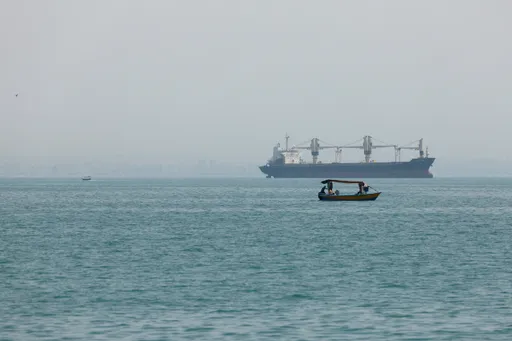
Global oil markets remain volatile, with the Strait of Hormuz still central to both sides’ leverage, as Washington pushes for guaranteed maritime access and Tehran tests how far sanctions relief might be on the table.
Back in Washington, officials describe the Islamabad talks less as a breakthrough moment and more as a pressure test to see whether the ceasefire can be stabilised into a longer-term framework.
No one in Trump’s inner circle has perhaps been more sceptical of a war with Iran than the vice president, The New York Times reported on Tuesday. He reportedly warned in a high-level meeting that conflict with Tehran could spiral into chaos and carry severe strategic costs.
Vance’s long-standing reservations about US foreign entanglements appear to have lent him a degree of credibility with Iranian officials, according to media reports, but his role as a peacemaker has already drawn scepticism from hawkish figures within Trump’s coalition.
Senator Lindsey Graham, Republican of South Carolina and one of Trump’s key allies in Congress, has voiced concern about the foundations of these talks.
Ceasefire likely to hold?
Gibbs notes that the outcome of the Islamabad talks will depend on how the administration manages internal divisions and external expectations.
“It is significant that Vance, sceptical about the Iran war from the start, is leading the US team. It suggests a genuine interest in disengagement, but he will need to balance that against those who want a tougher line and those in the region pushing for renewed confrontation,” he said.
Levine, however, cautioned that even if talks progress, the balance of advantage may remain unclear.
“Any compromise the US and Iran make now will undoubtedly continue to leave Iran in a better position than they were in prior to the commencement of the hostilities,” he said.
The coming days in Pakistan will likely determine whether the fragile ceasefire can be extended into a structured negotiation, or whether competing pressures inside and outside Washington begin to pull it apart.
“Right now, it certainly appears that Iran has suffered great losses but has also gained much from these weeks of combat. For example, they are now charging ships to cross the Strait of Hormuz, and they no longer face sanctions for oil sales”, Levine said.
“I think there is a good chance that there will be an extension of the ceasefire. The question is whether any agreement will leave Iran or the US in a better position,” he concluded.