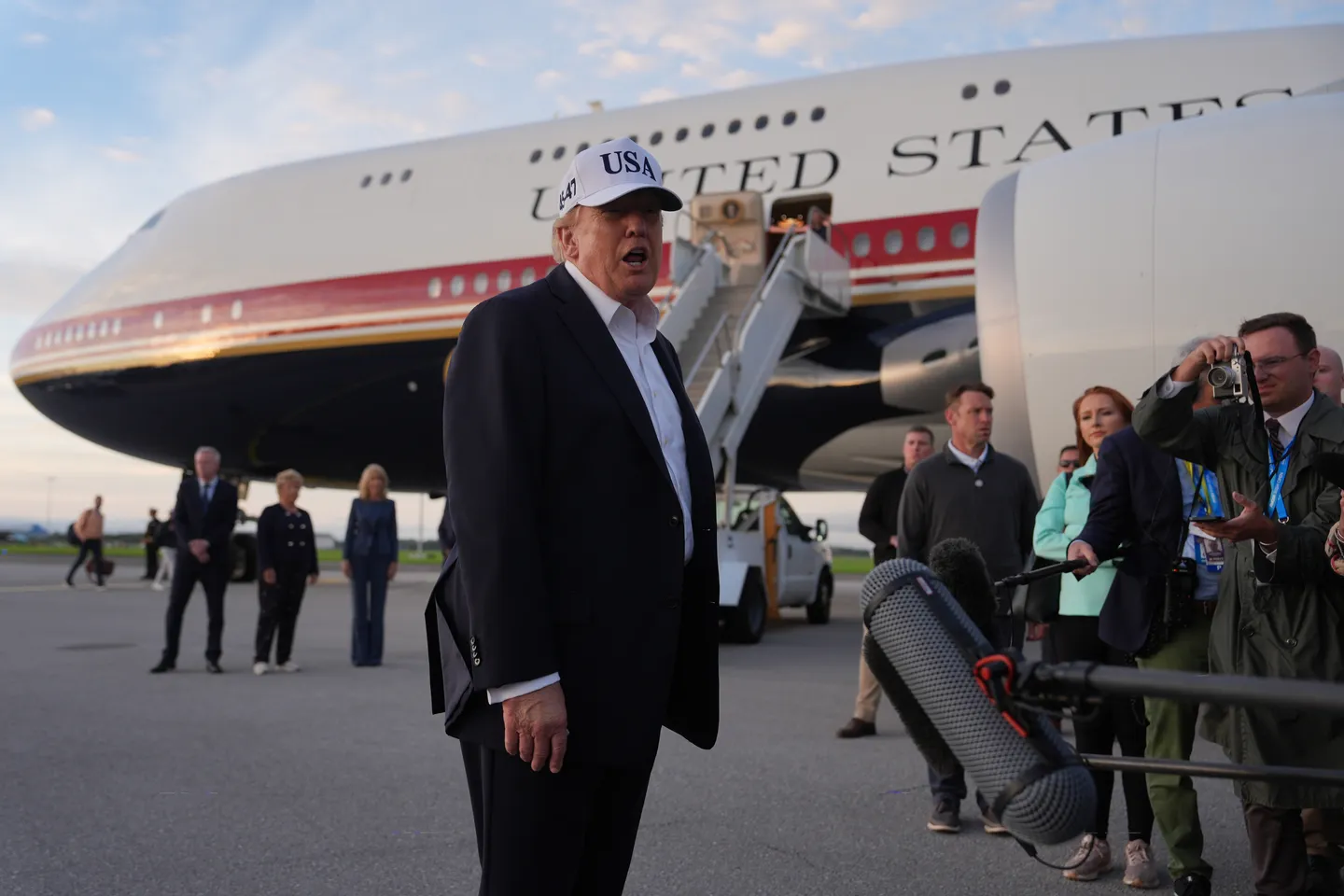
US President Donald Trump has said that he expects to discuss "almost everything" with Chinese President Xi Jinping during their bilateral meeting scheduled for September 24, at the White House, spanning trade, car manufacturing, Boeing aircraft sales, the conflicts in Ukraine and Gaza, artificial intelligence, and US defence production.
Defending his administration's 100 percent to 150 percent tariffs on Chinese vehicles, Trump said he had successfully protected the domestic market, contrasting the US approach with Europe, which he asserted was being "decimated" by Chinese imports.
Asked whether he anticipated a deal on Boeing aircraft purchases, Trump responded: "I get every deal."
Addressing claims that Chinese entities supplied Iran with satellite images of US and allied airbases in Jordan, Trump remarked: "They do what we do. When they say that China spies on us, I say, you're right, and we spy on them too."

Ukraine, defence production, and trade
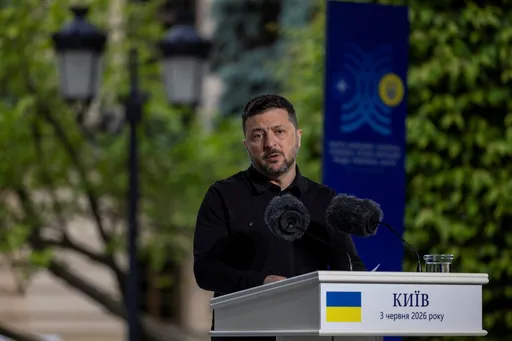
On the Russia-Ukraine war, Trump stated that he requested Ukrainian President Volodymyr Zelenskyy avoid targeting Russian diesel refineries, arguing that disrupted supplies inflate global fuel prices.





Turning to defence manufacturing, Trump announced that the US is rapidly rebuilding munitions stockpiles after supplying Ukraine, saying: "We're making more Patriots than we've ever made."
He added that new facilities are ramping up production of Patriot and Tomahawk missiles, whilst highlighting laser systems as the cost-effective future of air defence against slower-moving missiles.
Trump also commended US envoys Steve Witkoff and Jared Kushner alongside CIA Director John Ratcliffe for their mediation efforts on Gaza, claiming fighting had eased significantly following hostage returns.
On regional trade, Trump described Canada as the "most difficult country" to negotiate with, warning of upcoming automobile tariffs scheduled for January 1, whilst praising the Canadian public as "fantastic."
Discussing artificial intelligence, Trump maintained that the technology will yield "more good than bad," stressing that "whoever wins AI wins," and asserting that the US retains a commanding strategic lead globally.