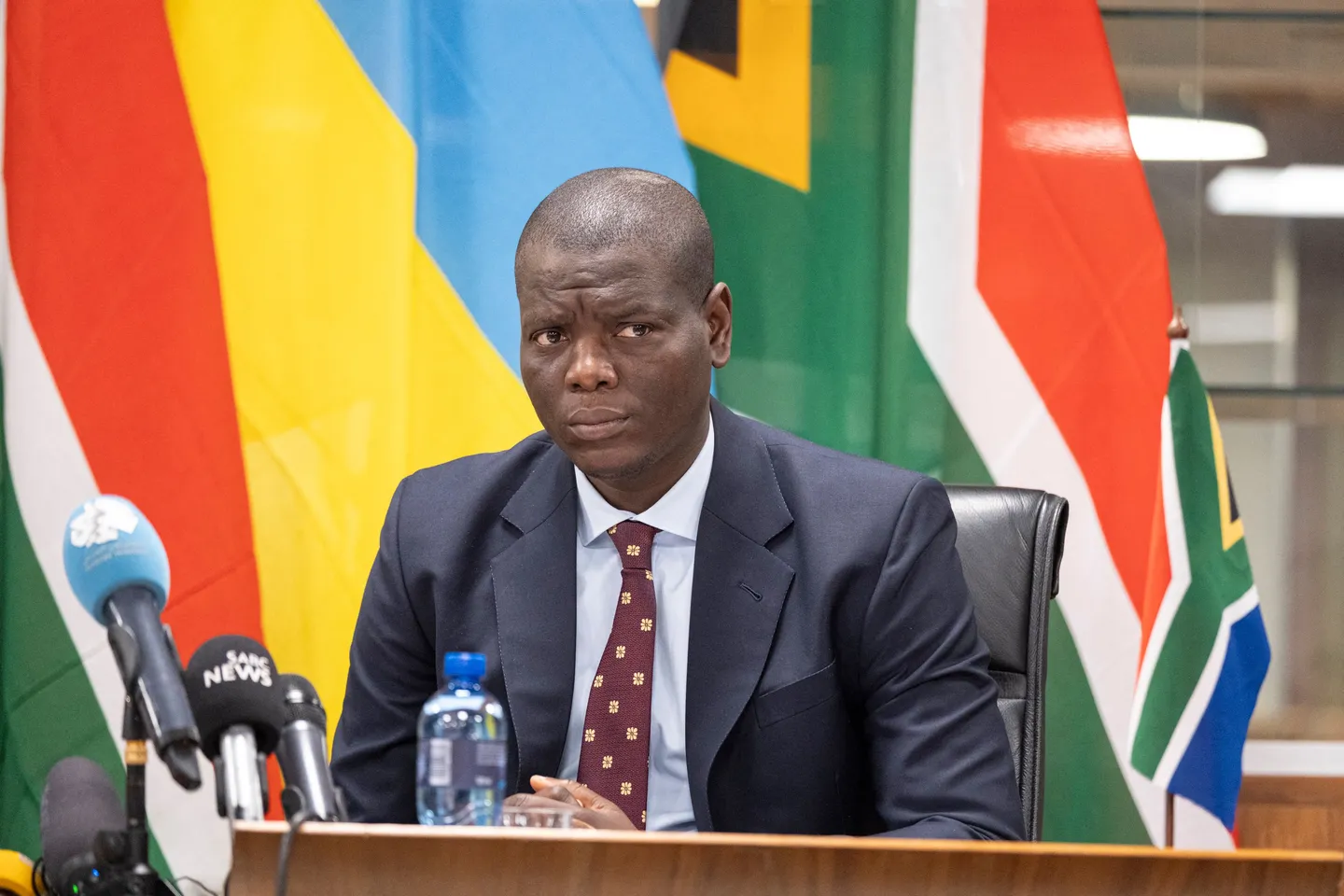
The growing economic and geopolitical tensions, including the US and Israel’s war on Iran, and Iran’s retaliation, are sending shockwaves through the African continent, South Africa’s foreign minister has said.
Ronald Lamola said on Thursday that the Middle East tensions could affect food security in many countries.
“Beyond the immediate impact of rising global oil prices, a spike in fertiliser costs is set to drive food prices up and further compromise food security across many of our countries,” Lamola said at the opening of a two-day Southern African Development Community (SADC) Council of Ministers meeting in Pretoria.
He said the 16-country regional block will not emerge unscathed from the tensions, and warned that public finances are likely to come under even greater strain, and its people will bear the cost.
“There is also a growing concern that Gulf states may reassess overseas investments in infrastructure, critical minerals, energy and technology as their priorities shift towards internal defence and security considerations,” he said, adding that it could carry consequences for investment flows, growth prospects and development finance across the SADC.




He said as the continent faces the shockwaves, it faces the worst debt crisis in 80 years.
“Today, more than 750 million Africans live in countries that spend more on debt servicing than on health or education,” he said, with many countries spending more on interest payments compared to investment in schools, hospitals and other social priorities.
Regional escalation has intensified since Israel and the US launched a joint attack against Iran on February 28, killing more than 1,200 victims, including then-Supreme Leader Ali Khamenei, according to Iranian authorities.
Iran has retaliated with drone and missile strikes targeting Israel, Jordan, Iraq and Gulf countries that are home to US military assets.