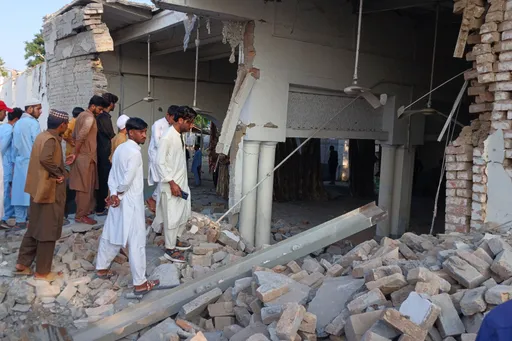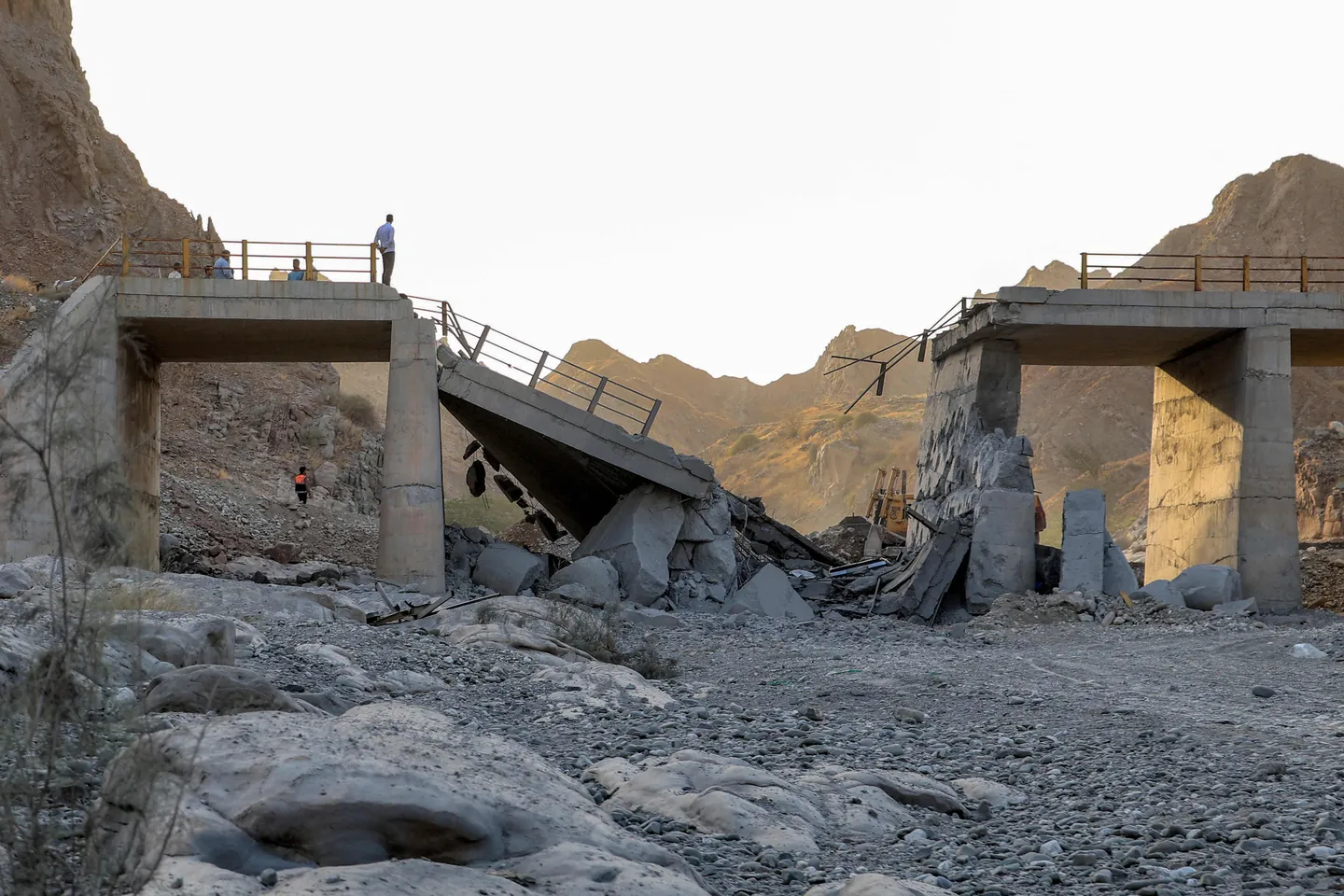
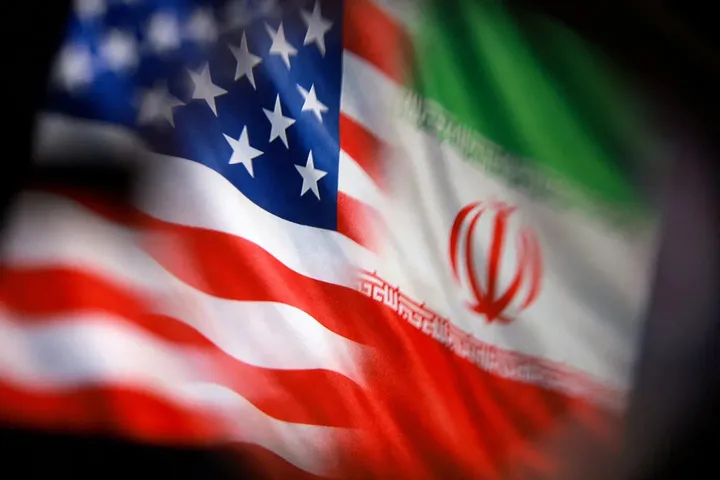
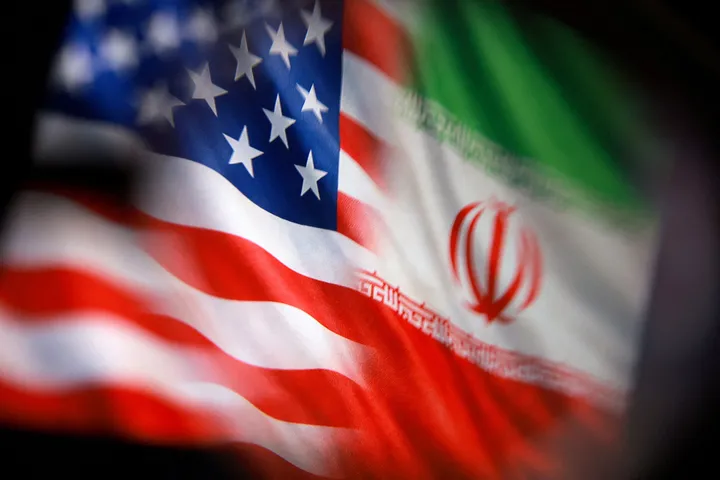
US officials believe that economic pressure through sanctions would inflict more lasting damage on Iran than military strikes, Axios reported on Tuesday, citing what it described as a deepening economic crisis in the country.
"The Iranians want to stop being bombed and they want money," a senior US official said. "But that's almost in reverse order. They really want the money first."
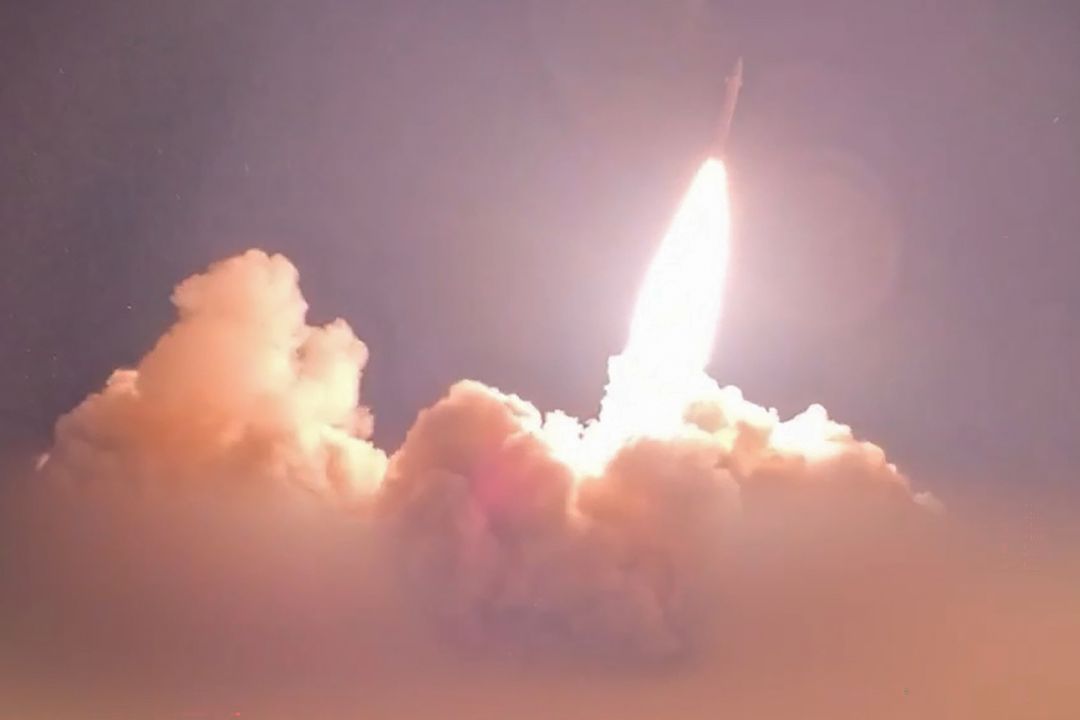
US President Donald Trump said on Monday that Iran had requested talks on a deal after he paused US strikes over the weekend following 13 days of attacks. Tehran denied the claim.
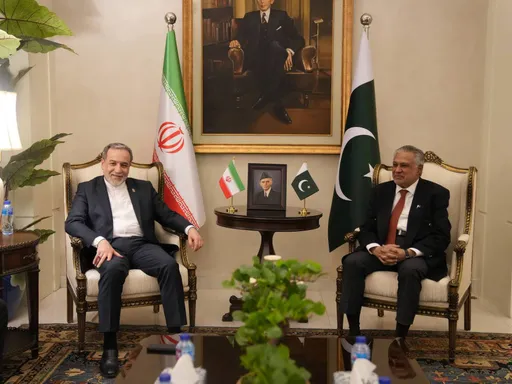
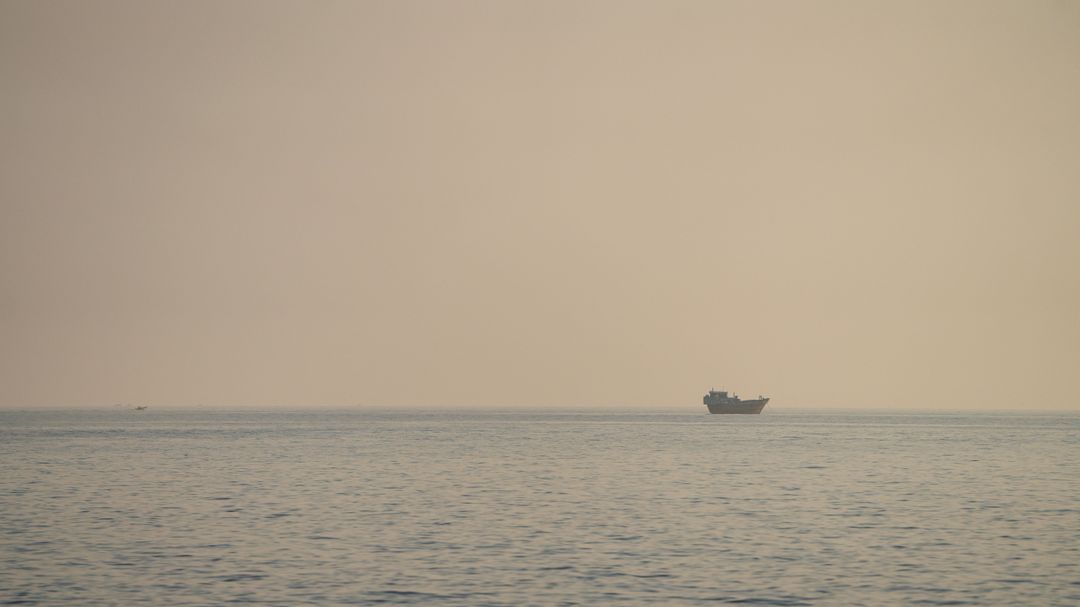
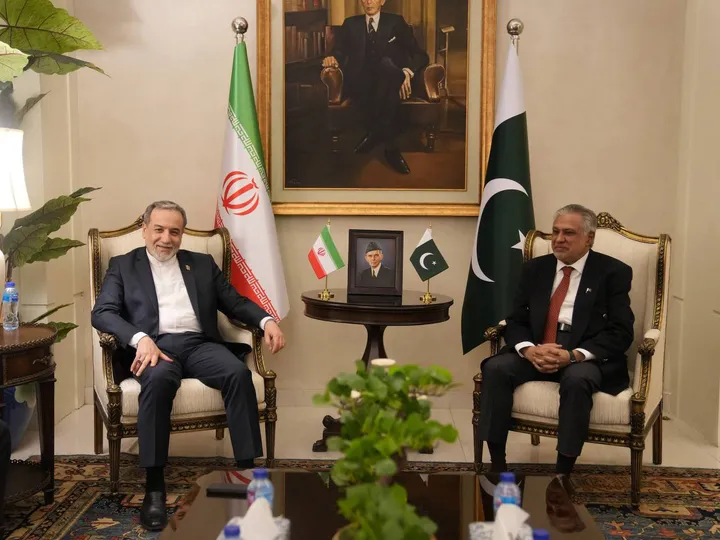
Mediators from Oman, Qatar and Pakistan are seeking to turn the pause into a lasting ceasefire. One proposal would give Iran and Oman a role in managing traffic through the Strait of Hormuz, modelled on the framework used for the Straits of Malacca and Singapore, according to the report.
"Some of the Iranians want this. Others don't. That's part of the issue," the senior administration official said.
According to Axios, Iran is seeking guarantees against future US attacks, access to frozen assets and sanctions relief. Trump opposes offering concessions and insists Tehran surrender its remaining nuclear material, the report said.
A US official told Axios that sanctions and a naval blockade would take longer than bombing to pressure Iran but could ultimately prove more effective, despite increasing political risks for Republicans and the potential for higher fuel prices.
Access to funds a top priority
"Intelligence is picking up that the Iranians are complaining they can't pay their fighters," a US official said. "Why? Because of the financial pressures. Because of Treasury. Because of what (Treasury Secretary) Scott Bessent is doing."
"They're in danger of runs on banks. There are gasoline shortages in this giant oil-rich country," the official added. "They're more scared of Treasury than the War Department (Department of Defense)."
Officials also claimed Iran had previously told US negotiators Steve Witkoff and Jared Kushner that gaining access to frozen funds was a top priority.
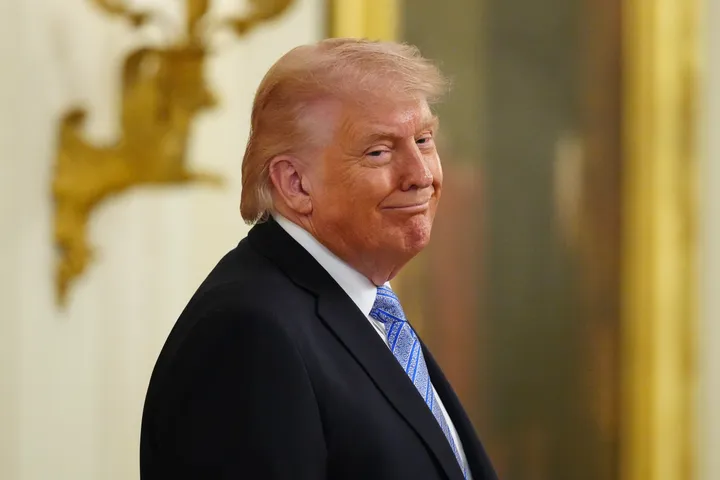
"They're begging Steve and Jared for cash. They're desperate for it," one official alleged.
The Trump administration has imposed sanctions on more than 1,000 individuals, vessels and aircraft under its renewed "maximum pressure" campaign targeting Iran's oil exports, financial networks, weapons procurement and shipping sectors.
Critics, however, argue that neither military strikes nor economic pressure is likely to force Iran to accept Trump's demands. Analyst Brett Erickson said Iran earned an estimated $23 billion in oil revenue during the first half of the year, exceeding budget projections.
"Economic warfare is a fundamentally broken approach to the Iran War," Erickson wrote on X on Monday.
Trump says he prefers diplomacy
White House Press Secretary Karoline Leavitt said Trump "prefers a diplomatic solution, but he continues to retain all options if Iran continues terrorist activities in the Strait of Hormuz or against allies."
"Combined with successful sanctions that have crippled Iran's economy and 13 straight days of strikes against military targets in response to their repeated aggression, it would be wise for Iran to work toward a negotiated deal," she said. "Otherwise, they know what will happen."
Another US official said the administration was prepared to pursue either military or economic pressure.
"The president has a win-win optionality. The US is capable of prosecuting this militarily to the fullest extent. And the US is capable of exerting economic sanctions that cripple Iran," the official said.