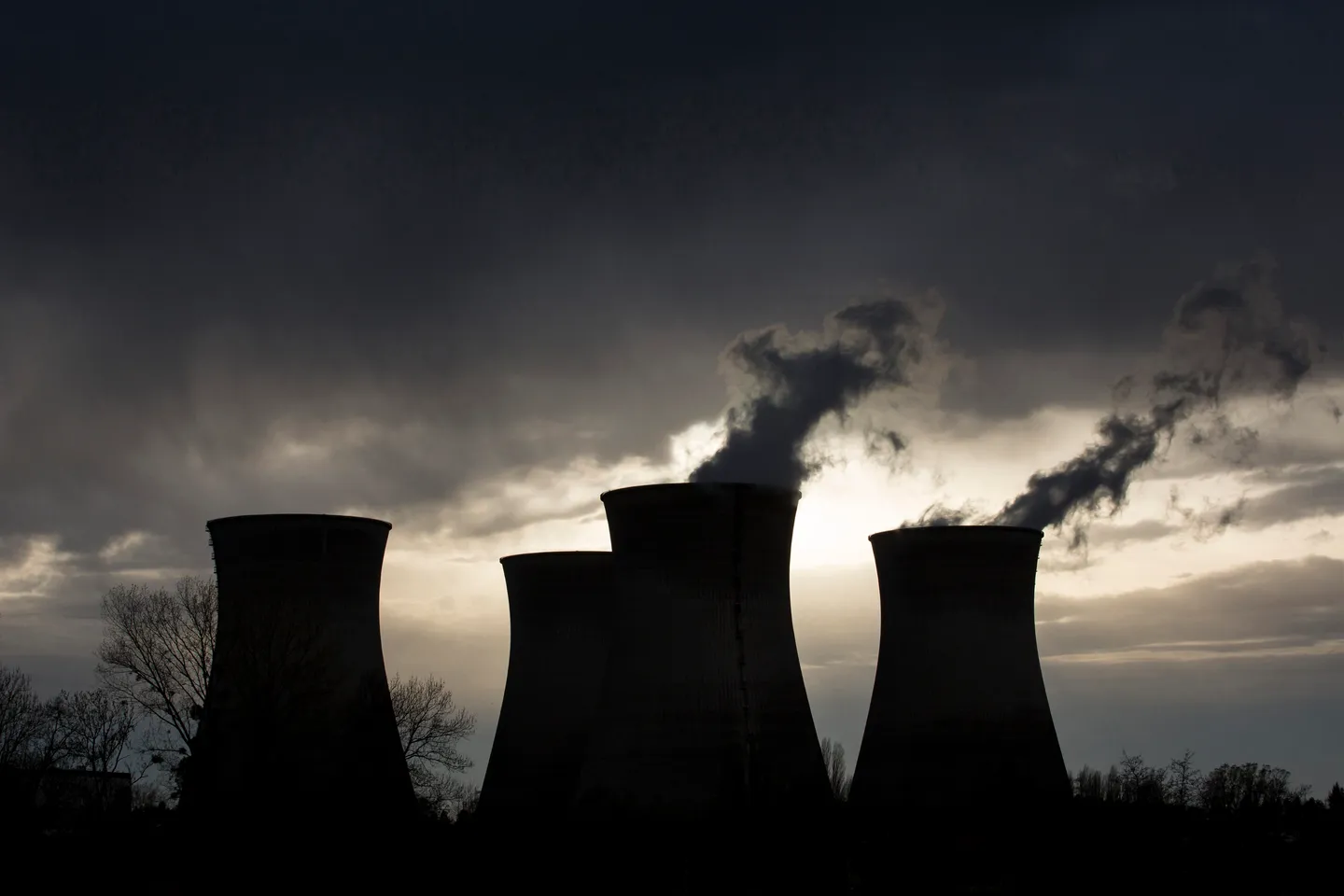
French energy company EDF has shut down three nuclear reactors after drought conditions reduced water flows in the Meuse and Moselle rivers, local media reported.
Two reactors at the Chooz nuclear power plant in the northeastern Ardennes region and one at the Cattenom facility in Moselle remained offline as of Monday afternoon, according to Le Figaro.
EDF shut down Chooz reactor No. 1 late on Saturday to comply with a 1998 Franco-Belgian agreement governing the management of the Meuse River. The plant’s second reactor has been offline since July 11 under the same agreement.
The accord allows electricity production to be adjusted to maintain sufficient water flows for users of the Meuse in both France and Belgium, EDF said.
The company also shut down one of the Cattenom plant’s reactors overnight from Friday to Saturday as a precaution because of declining water levels in the Moselle River.






EDF has also reduced or plans to reduce output at four other reactors: Bugey 3, Tricastin 4 and Saint-Alban 1 and 2.
France operates 57 nuclear reactors, which generate approximately 70 percent of the country’s electricity.
Nuclear power plants are generally located near rivers or the sea because they require large quantities of water for cooling. During droughts and heatwaves, lower river flows and rising water temperatures may force EDF to limit or suspend production.
The restrictions are intended to protect aquatic ecosystems by preventing plants from further warming rivers with discharged cooling water or releasing certain chemical and radioactive effluents when water levels are low.
The Ardennes and Moselle departments were placed under a yellow heat wave warning on Monday as extreme temperatures continued to affect parts of the country.