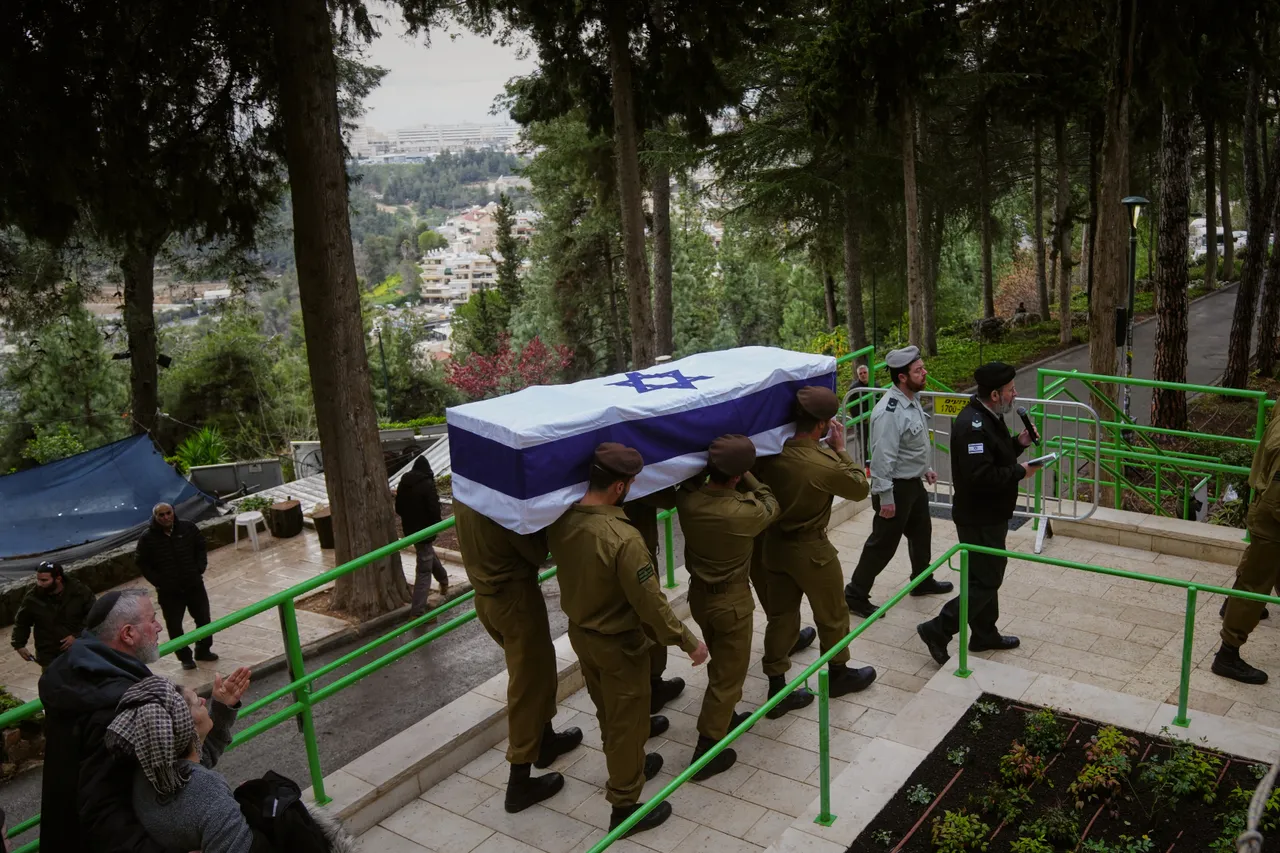
Israeli Prime Minister Benjamin Netanyahu said the government plans to extend mandatory military service as the army grapples with a deepening personnel shortage, the Israeli public broadcaster KAN reported Thursday.
Netanyahu made the remarks during a security cabinet meeting in response to Army Chief of Staff Eyal Zamir, who warned that the army could “collapse” if the crisis is not addressed.
He said the government would move to revise conscription laws and extend service periods after the Jewish Passover holiday.
Dismissing objections from a legal adviser to the Knesset’s Foreign Affairs and Defence Committee over easing draft requirements for ultra-Orthodox Jews, Netanyahu said: “His role is to advise, but decisions are made by us.”
Cabinet Secretary Yossi Fuchs said the government would examine both extending service and advancing a new draft law immediately after the holiday.
Israeli army spokesperson Effie Defrin said the military is facing a shortage of around 15,000 troops, including 8,000 combat soldiers.
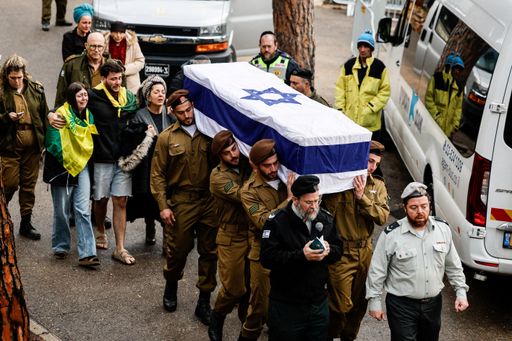
Years of mandatory service



Israeli military officials have pointed to expanding operational demands, including continued offensive in Gaza, attacks on Iran and Lebanon, and securing illegal settlements built on occupied Palestinian land in the West Bank as key drivers of the shortage.
They warned that while missions are increasing, troop numbers are declining.
The issue of drafting ultra-Orthodox Jews (Haredi) has triggered a political crisis in Israel, with Netanyahu’s Haredi coalition partners boycotting parliamentary votes over the proposed law.
Under current law, Israeli men serve 32 months of mandatory military service, while women serve 24 months, with proposals under discussion to extend the term to 36 months.
The move comes amid Israel’s expanding invasion in southern Lebanon, where the army has been pushing to widen its presence towards areas north of the Litani River as it continues to pound Lebanon with air strikes and press its ground offensive launched after a cross-border attack by the Hezbollah group on March 2.
The escalation followed a joint US-Israeli war on Iran which has killed more than 1,340 people since February 28.
Iran has retaliated with drone and missile strikes targeting Israel, US bases and Gulf countries.