A surge in oil prices triggered by the Middle East war is rapidly reshaping Southeast Asia’s auto market, with electric vehicle (EV) sales soaring as consumers scramble to escape rising fuel costs.
Crude prices have climbed roughly 50 percent since the conflict began, breaching $100 per barrel again on Monday and squeezing fuel-dependent economies across Asia.
With limited alternatives to imported oil, the spike has hit households hard — while handing a major boost to EV makers.
Vietnam’s leading manufacturer, VinFast, has emerged as a key beneficiary. The Nasdaq-listed firm reported a 127 percent year-on-year jump in domestic sales in March, reaching 27,600 vehicles.
EVs already account for about 40 percent of car sales in Vietnam this year, with momentum accelerating sharply.
“At this point, clients are heavily factoring in fuel costs when choosing cars,” said a senior sales executive at a VinFast showroom, noting that more than half of buyers switched from petrol to electric vehicles last month.
Customer traffic has surged, forcing extended opening hours to meet demand.








Structural shift
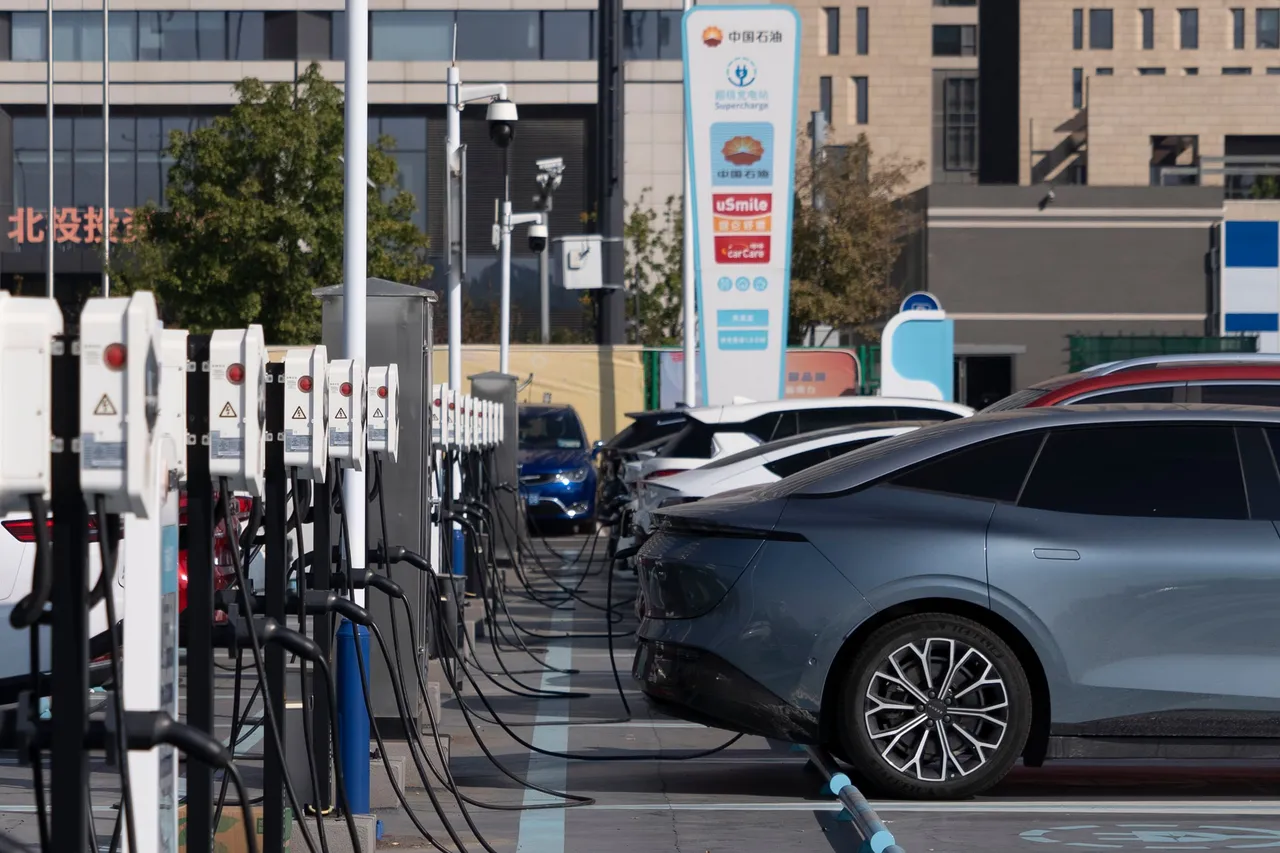
The trend extends beyond Vietnam. Chinese automakers — led by BYD — are rapidly expanding across Southeast Asia, capitalising on shifting consumer behavior.
As competition intensifies at home, BYD is betting on overseas growth and now expects exports to exceed 1.5 million vehicles in 2026.
Industry data shows exports of Chinese EVs doubled in March compared to a year earlier, with Southeast Asia as a key destination.
Governments are also stepping in: Indonesia recently pledged to accelerate development of a national EV ecosystem to curb high energy consumption.
The shift appears increasingly structural rather than temporary. Analysts say demand is rising globally, with EV registrations more than doubling in markets like Japan, South Korea and New Zealand, and climbing sharply in India and Australia.