 Noureldein Ghanem
Washington, DC — A string of right-wing victories across Latin America, from Argentina and Peru to Ecuador and Colombia, has put Brazil’s election under sharper scrutiny. Now the region’s largest country heads to the polls with its own political direction at stake.
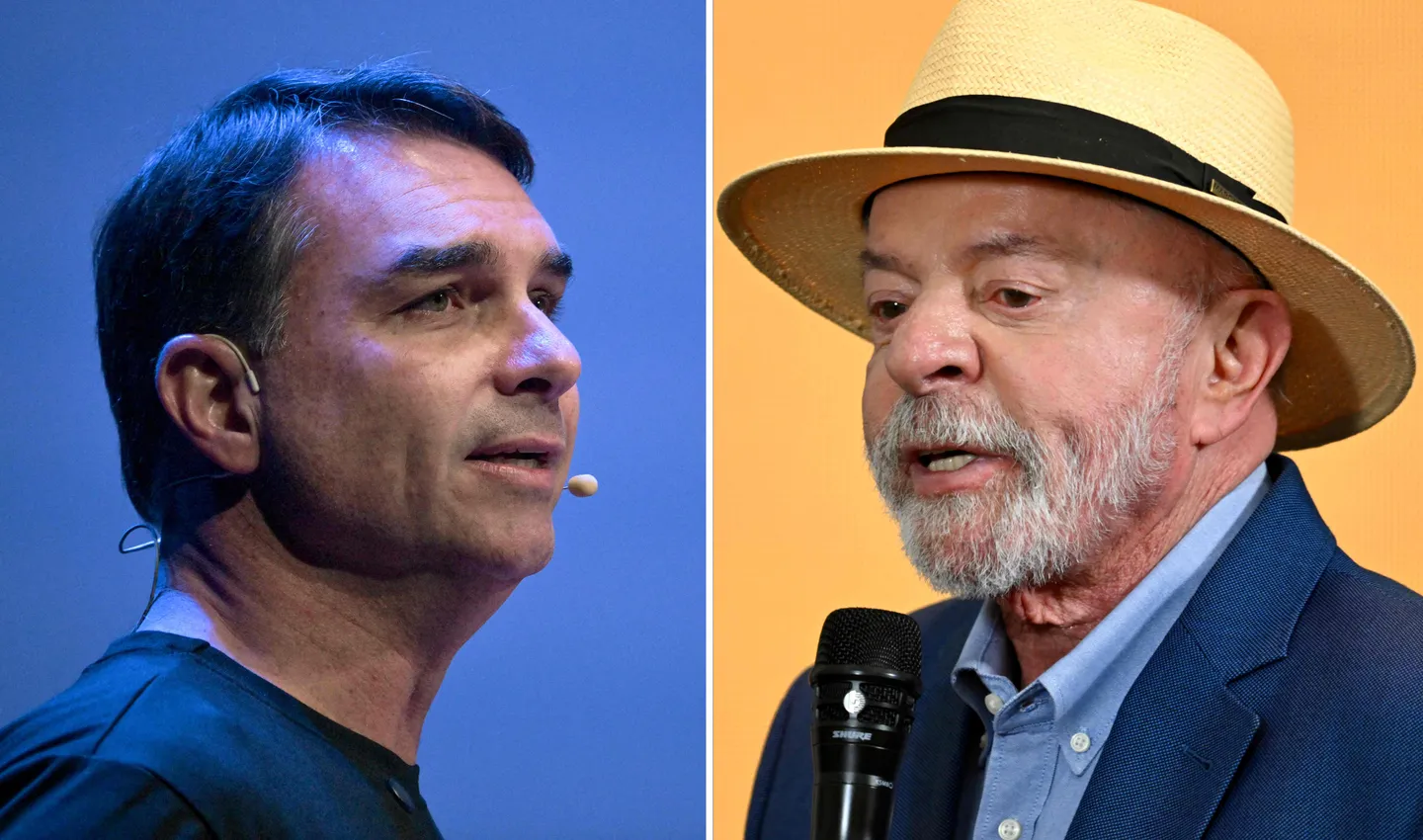
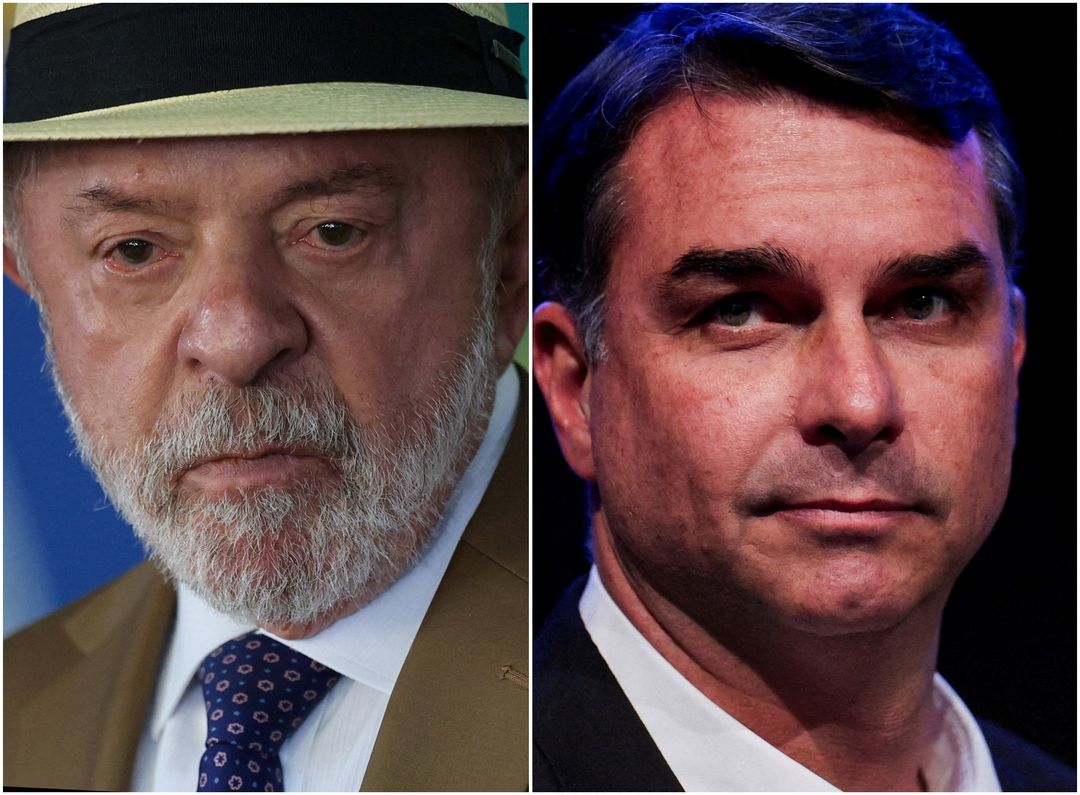
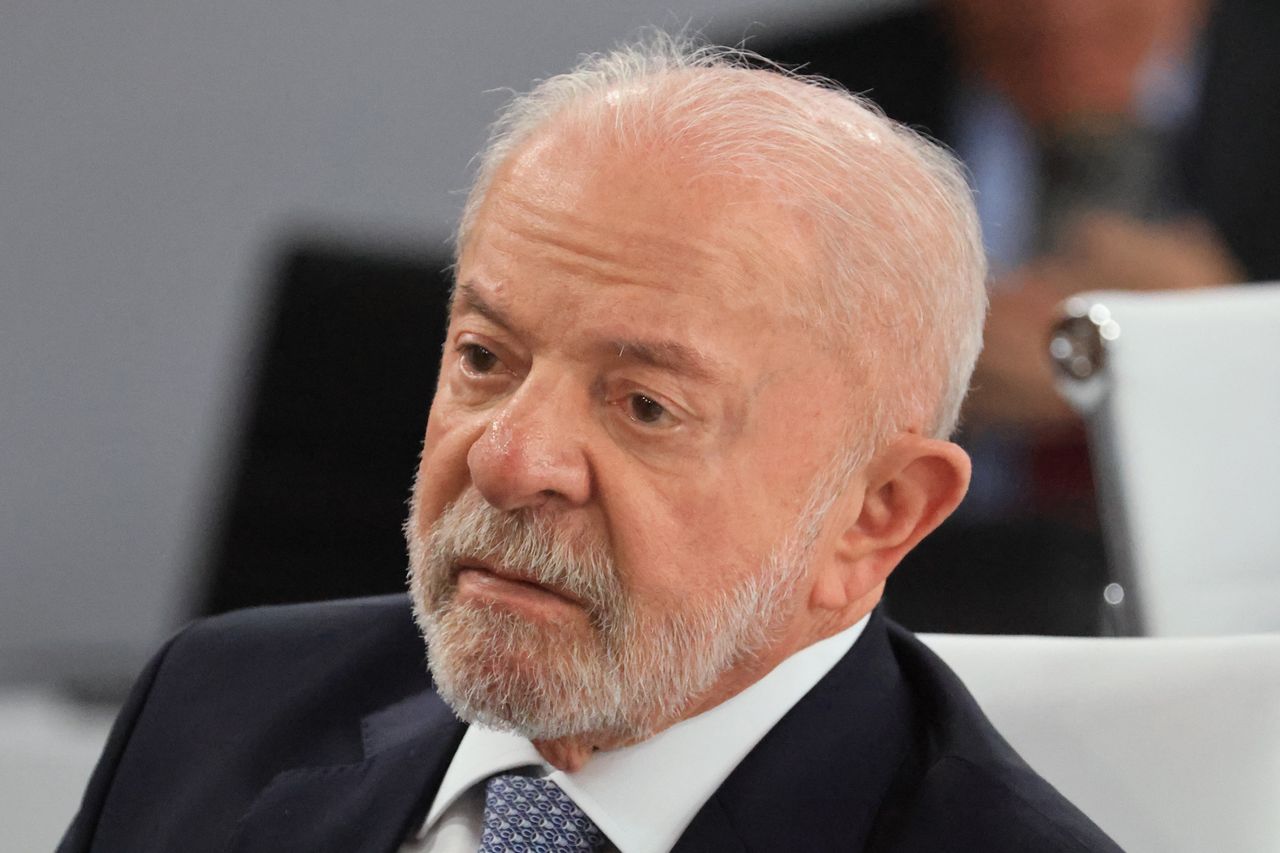
The October 4 vote pits President Luiz Inacio Lula da Silva, nearing the end of his third term, against Senator Flavio Bolsonaro, the son of former right-wing president Jair Bolsonaro. The contest brings two familiar names and competing visions of Brazil’s future to the ballot.
The divide runs deeper than policy. It cuts through a country where the Lula and Bolsonaro names have become rallying cries on either side of a bitter political struggle.
Recent polls suggest little separates the two candidates, placing them in a statistical tie in simulated runoffs.
Lula is campaigning on a progressive legacy that helped lift millions out of poverty in the 2000s. Bolsonaro carries the conservative banner, seeking to bring Latin America’s rightward shift to its biggest political stage.
Voters are concerned about many issues, yet what makes this election stand out from other regional ones are two things: a corruption case affecting both leading candidates, and the future of the critical Amazon rainforest.
Future of the Amazon rainforest
Although an environmental issue, the concern is being used as a political tool, raising consequential questions in Brazil's presidential race — and testing whether the country can reconcile its economic ambitions with its role as guardian of the world's largest rainforest.
According to government figures, Amazon deforestation fell to its lowest level in a decade in the first half of 2026.
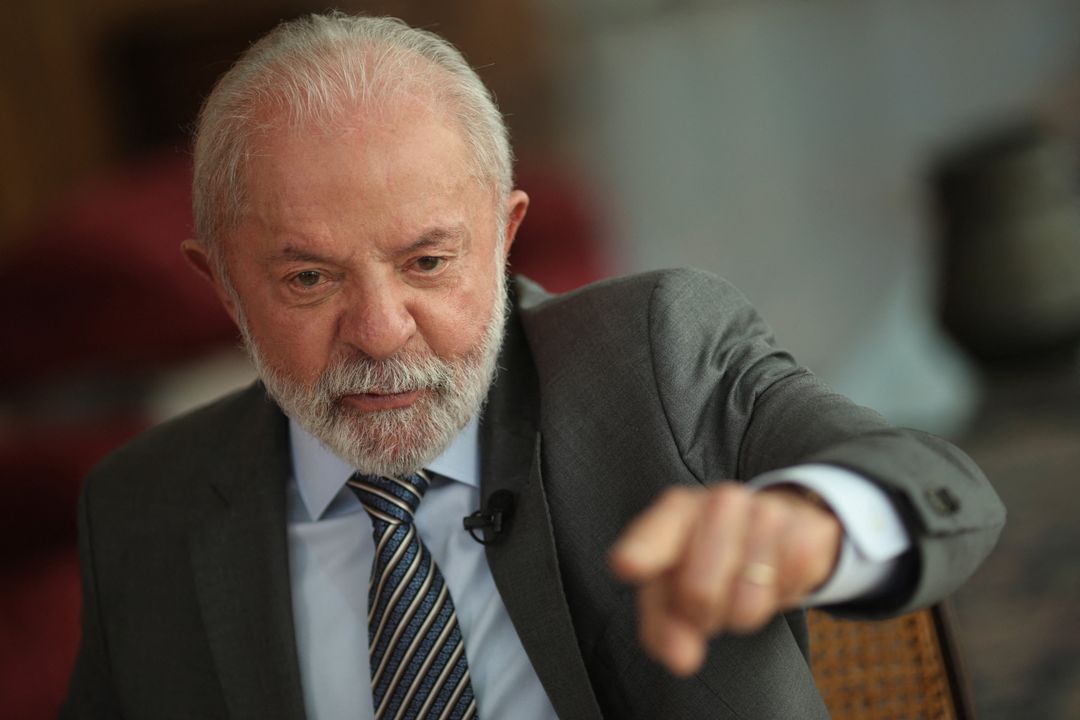
In July of this year, President Lula da Silva laid out a plan to reach zero deforestation by 2030.
Bolsonaro's campaign offers a different approach, describing the environment as a "strategic asset" and proposing expanded payments for environmental services, bioeconomy development, and economic incentives for people who preserve native vegetation.
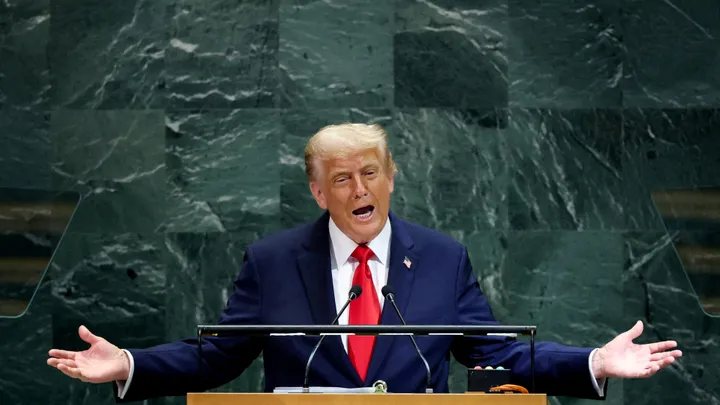
"It shouldn't go unmissed that in the latest meeting between (President Donald) Trump and Lula in May, critical minerals were absolutely on the agenda, and the future of the Amazon ecosystem," Elizabeth Dickinson, interim deputy director for Latin America at the International Crisis Group, tells TRT World.
The future of critical-mineral extraction in the same areas is central to this election, and whoever wins may well determine the course Brazil sets.
"Whether it's greater acceptance of extractive industries in this critical ecosystem, or whether it is really a focus on those key climate and ecological commitments that have been a pinnacle of Brazilian foreign policy for some time," Dickinson adds.
Election clouded by corruption




The Banco Master corruption scandal casts a shadow over the election.
At its centre is the Central Bank’s extrajudicial liquidation of the lender in November 2025, with missing funds reportedly totalling $2.2 billion.
The fallout has reached both Lula’s and Bolsonaro’s campaigns, deepening voter disillusionment with the choices on the ballot.
"Polling has really sort of been a toss-up throughout this race, and particularly as the corruption scandal has continued to embroil a growing number of officials," Dickinson says.
"These are individuals from the legislature, the courts, the central bank, and so forth."
Former finance minister Fernando Haddad called the scandal potentially the biggest bank fraud in the country's history, and ongoing investigations implicated numerous high-profile political figures across the spectrum.
Potential complete regional shift
Across Brazil, as elsewhere in the region, the campaign is being shaped by concerns that reach beyond party loyalties.
Violence and everyday safety lead voters’ worries, with the economy and corruption also competing for attention. How candidates answer those concerns could prove central to the campaign.
Another question carries weight beyond Brazil’s borders: how closely should the country align with Washington?
The region’s rightward shift has given the US willing partners in Argentina, Peru, Ecuador and Colombia, including support for Washington’s regional security agenda.
Brazil and Mexico have resisted elements of that agenda. Lula has rejected an outside role in tackling Brazil’s organised crime, insisting that international cooperation must respect national sovereignty.
That stance puts him at odds with the Trump administration’s revival of the Monroe Doctrine, the 19th-century policy asserting US primacy in the Americas, as Washington presses to extend its regional influence.
Brazil is one of the few countries with the size, clout, economic power, and foreign policy apparatus to offer a different narrative.
"This election will certainly determine whether that is the case or whether there is really a shift across the region to a more consistent and full-fledged alignment between Latin American leaders and the United States," Dickinson says.
"All politics is local, and that's certainly reflected in the polling."