 Kazim Alam
Brazil's presidential election, scheduled for October, will test how the largest country in South America positions itself between Washington and Beijing in years to come.
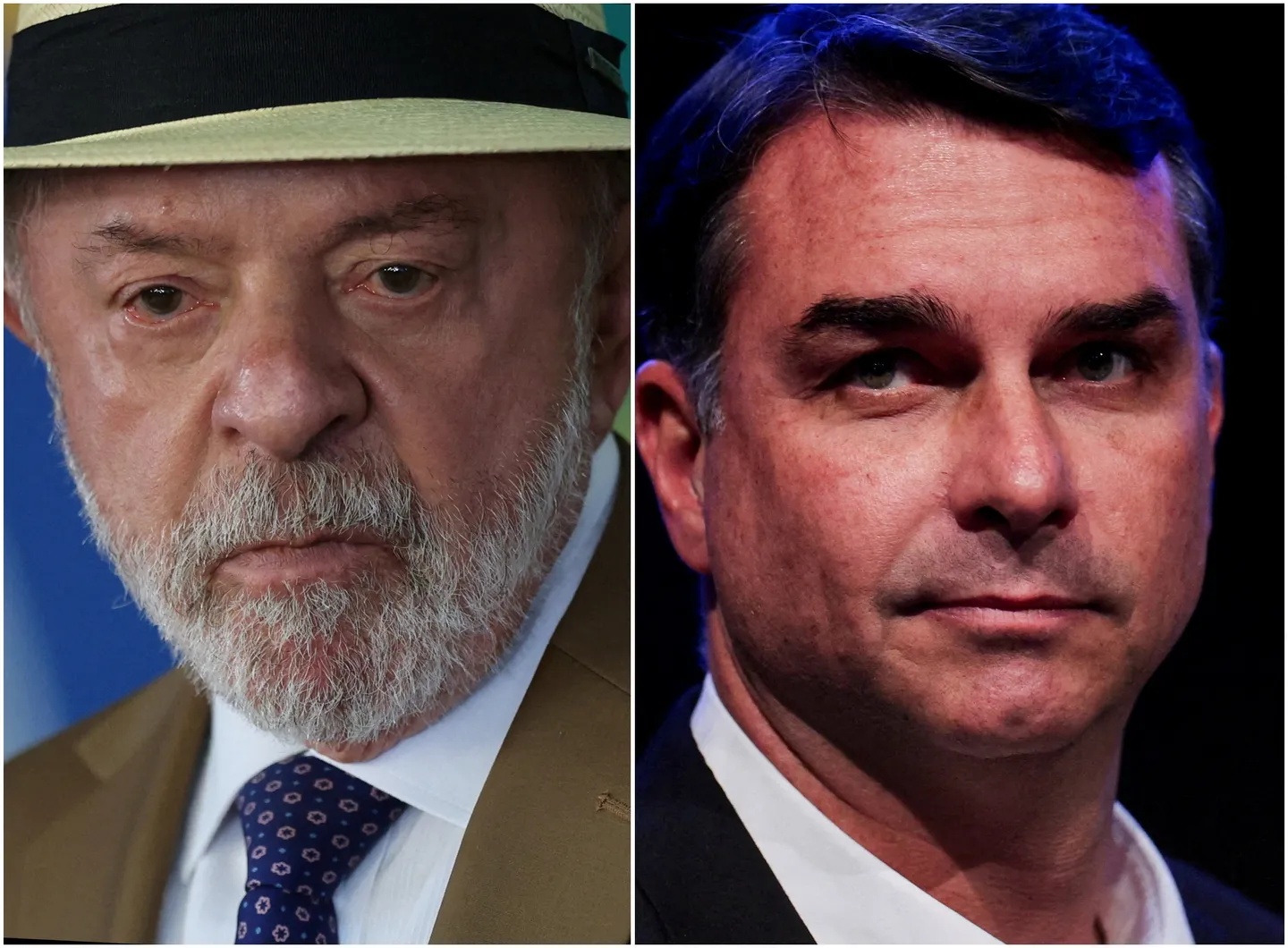
The contest is between Luiz Inacio Lula da Silva, the incumbent president seeking a fourth term, and Senator Flavio Bolsonaro, the eldest son of the jailed former president Jair Bolsonaro.
The first round of the election will take place on October 4, with a runoff planned for October 25 if no candidate wins a majority.
A pre-election public poll shows Lula and Bolsonaro are in a technical tie in a potential runoff.
The two candidates stand for distinct foreign policy paths, each leaning towards a different centre of global power in an increasingly multipolar world.
The US has considered Latin America as its “backyard” for well over 100 years.
But China’s influence has grown tremendously in recent decades through massive trade and investments across the continent.
Experts say the presidential election may shift the tone of Brazil’s diplomacy with Washington and Beijing, without changing the country’s foreign policy completely.
Andre Luiz Reis da Silva, a professor of international relations at Brazil’s Federal University of Rio Grande do Sul, tells TRT World that the two candidates represent opposite poles in terms of development models and international projection.
Lula stands for continuity: multipolarity, South-South cooperation, and a deeper role for the Global South and BRICS, an international coalition of rapidly emerging economies, he says.
In contrast, a Bolsonaro victory would mean a diplomatic reorientation towards the US.
“What is at stake in terms of foreign policy is Brazil’s re-positioning in the geopolitical framework,” he says.
Ricardo Caichiolo, a professor of international relations at Ibmec University in Brasilia, is more cautious about the dichotomy.
“Brazil’s election does not represent a binary choice between Washington and Beijing, but a dispute over the tone and emphasis of an already-established balancing act,” he tells TRT World.
Under Lula, Brazil practises what it calls “active non-alignment”, he says.
China remains Brazil’s largest trading partner, ahead of the US, but without breaking traditional security ties with Washington.
“A fourth Lula term would likely preserve that logic, with rhetorical emphasis on BRICS and the G20 as a symbolic counterweight to American power,” he says.
A Bolsonaro victory would signal a “more explicit rhetorical tilt” towards the US.
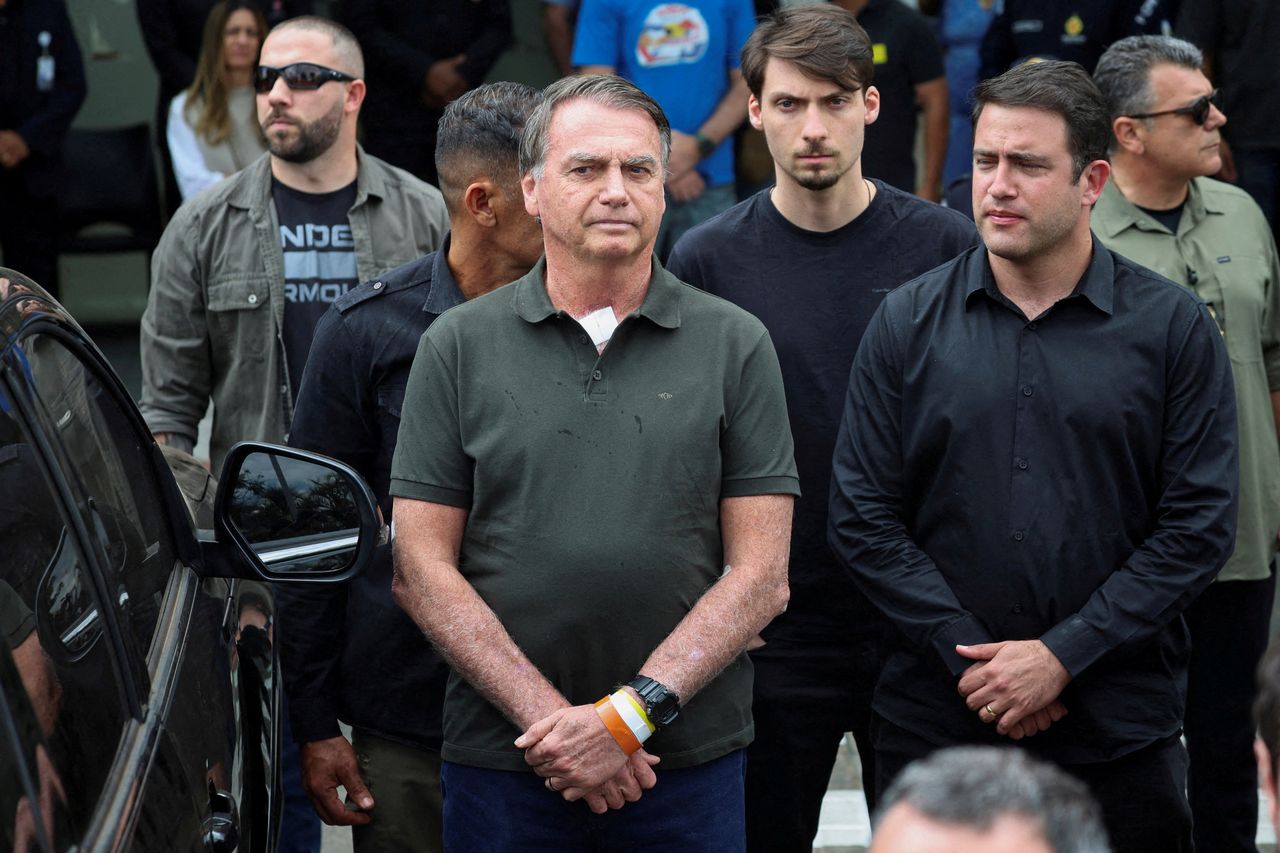
This would be in line with the ideological alignment that his father – who served as president from 2019 to 2023 – cultivated with US President Donald Trump, Caichiolo says.
However, the senior Bolsonaro’s time in power ushered in no practical break from trade with China, which remains “structurally vital” to the Brazilian economy, he adds.
Guilherme Casaroes, a professor of Brazilian studies at Florida International University, tells TRT World that the election outcome will depend on two variables: who wins it, and what the Trump administration does next.
“Lula is a pragmatic statesman who has always sought to maintain good relations with China – and the other BRICS countries – and the US,” he says.
Under Trump, the US imposed a new 25 percent tariff on a range of Brazilian goods in July on the pretext of unfair trade practices.
Yet, Lula and Trump spoke by phone on August 21 to restart talks, though Brazilian officials have said they do not expect the tariffs to change before the election.
Meanwhile, China has been Brazil’s largest trading partner for years, a relationship that persisted even through the 2019-2023 government of the senior Bolsonaro.
Casaroes says the recent phone conversation with Trump shows that it is not in Brazil’s best interest to sever ties with Washington.
He adds that Bolsonaro centres his foreign policy strategy on a “special alliance” with Trump. The senior Bolsonaro also tried a similar approach during his stint in power, but failed to sustain it after Trump’s first term ended in 2021 and President Biden began, he says.
“Trump himself sees no problem in dealing with Lula,” Casaroes says.
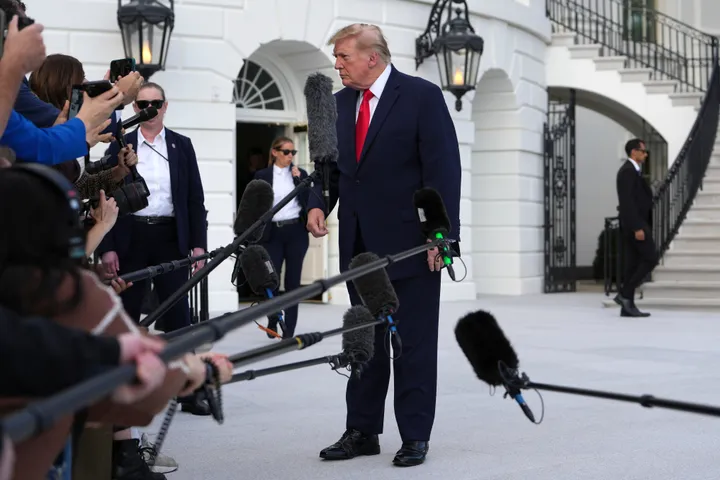
This is despite the fact that many aides in the White House keep trying to push the US government towards a harder stance against Lula's Workers' Party.
“These internal disputes at least partially explain the back-and-forth regarding tariffs, sanctions, and the rhetoric against Brazil,” he says.
Ripple effect across Latin America
Brazil’s size makes the election important beyond its borders.
Brazil does not have the regional clout now that it enjoyed a decade ago, according to Casaroes. But the size of its economy and its considerable political weight will be a game-changer for China if Beijing wants to remain the region’s largest trade partner, he adds.
At the same time, the same argument holds for the US if Washington aims to reduce Chinese influence in Latin America, he says.
Da Silva makes the same point: the US has been trying to regain hegemony in Latin America. “Pressure on Brazil has been intense, with sanctions, tariff increases, (and) threats,” he says.
From Washington’s perspective, Latin American countries should avoid strengthening ties with “extra-regional powers” such as BRICS nations and China in particular, he says.
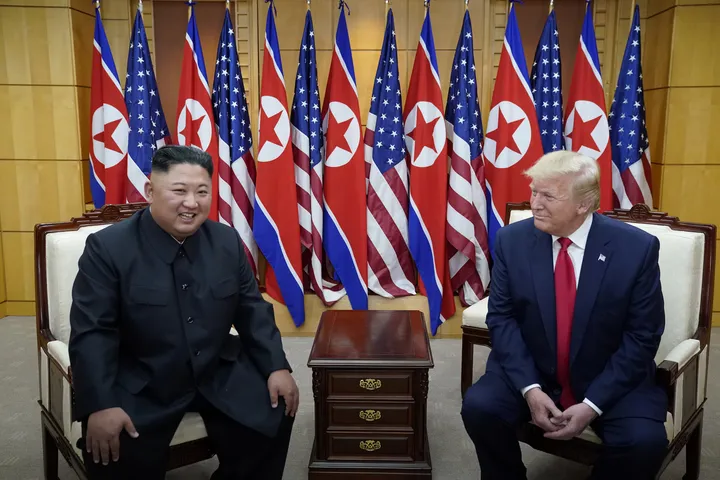

Caichiolo is sceptical that just one election can reset that US-China balance in South America.
The US-China influence race in the region is “structural”, which does not shift dramatically with each election cycle.
“China is already the leading trade partner for most of South America – the result of two decades of investment in infrastructure, mining and agribusiness,” he says.
Any post-election rhetorical realignment will be more fragile than the underlying economic ties, which rarely reverse within a single term, he adds.
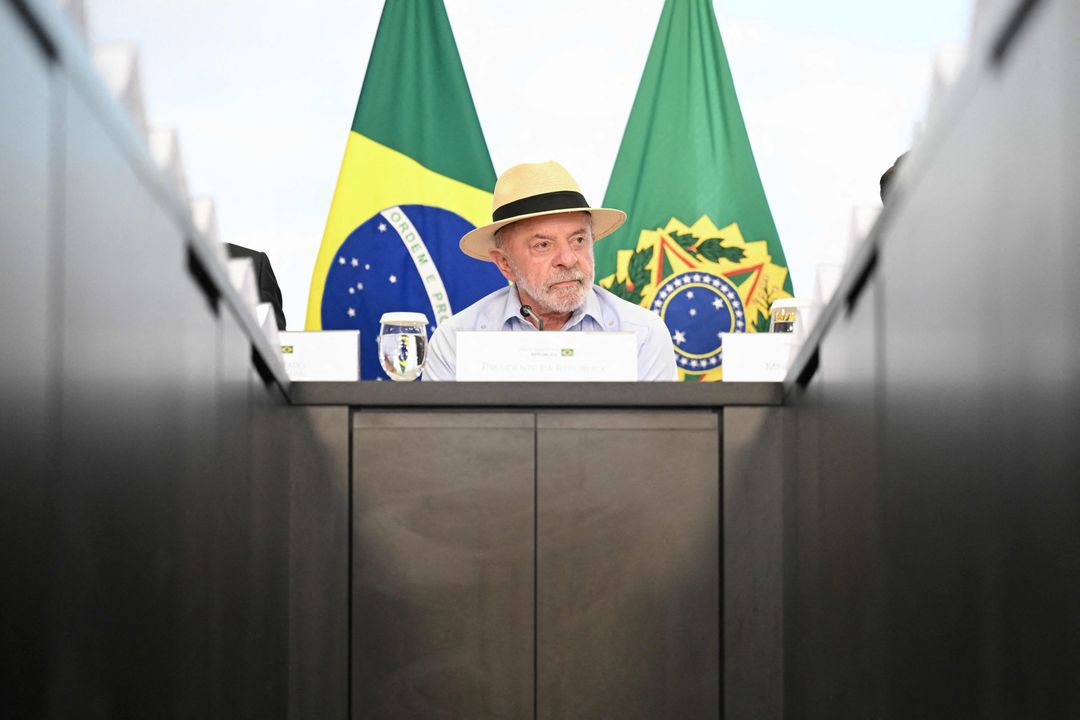
If Lula wins…
A Lula victory would not, in view of the experts, mean a definitive shift by Brazil into China’s camp.
Da Silva expects the current trajectory to be maintained, as Brazilian foreign policy is “not tied to a single pole”.
He anticipates a deepening of ties with China in a cautious manner. “There is great expectation that Brazil will formally join the Belt and Road Initiative under a new Lula government,” he says.
Brasilia has held back so far to “maximise its negotiating conditions” with both China and the US, he adds.
Casaroes sees Lula’s third term as already marked by a shift towards the Global South on issues such as Gaza, the Russia-Ukraine war, and proposals such as de-dollarisation.
As president, Lula has taken a pro-Gaza position and repeatedly criticised Israel over its genocidal war on the besieged enclave.
“However, Lula also wants to nurture positive relations with the EU and the US, given their importance to Brazil's trade and multilateral agendas,” he says.
Lula’s fourth term would continue the current one, in which he has focused on strengthening ties with China and maintaining diverse trade and political relations with the West, he says.
Caichiolo also predicts continuity rather than acceleration if Lula is re-elected. There is no sign in his campaign of “significant acceleration” of Chinese economic engagement beyond the path already underway since 2023, he says.
Brasilia will keep pushing to strengthen BRICS and reform global financial governance, especially as a “political response” to the US tariffs, he says.
But the prospect of a common BRICS currency remains bleak, and the bloc is “too heterogeneous” to function as a cohesive alliance against traditional Western powers.
The Lula-Trump call should be read as a sign of “economic pragmatism” likely to persist regardless of the election’s outcome, Caichiolo adds.
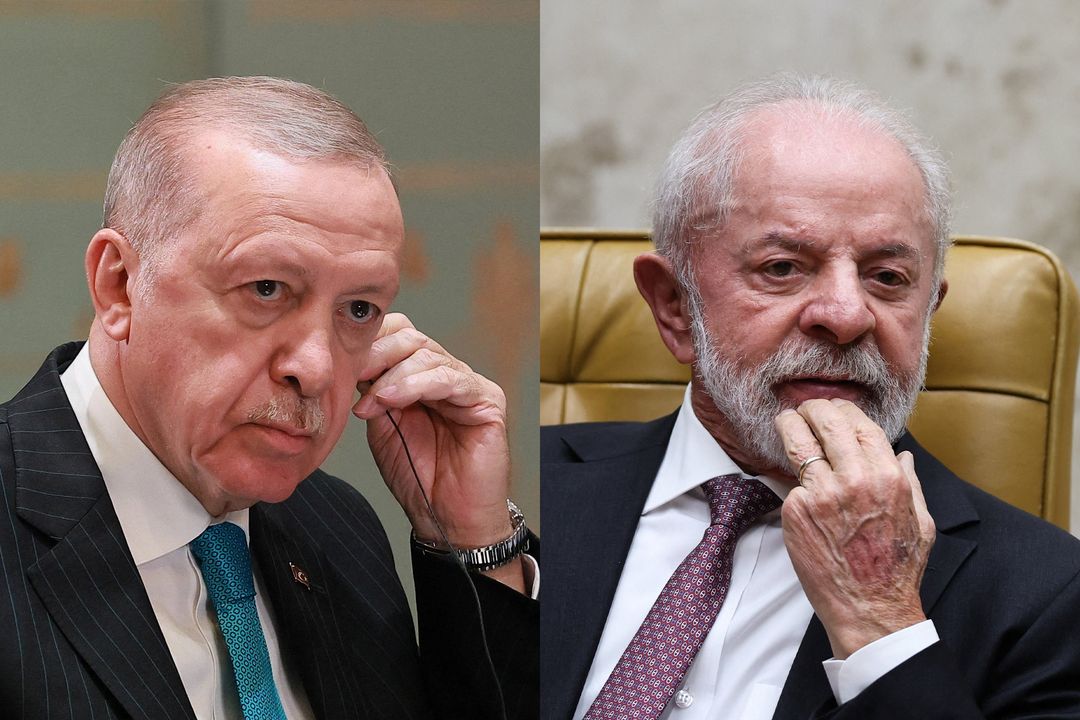
If Bolsonaro wins…
Bolsonaro has cast himself as his father’s heir in foreign policy.
According to da Silva, that policy rested on conservative alliances, criticism of Workers’ Party diplomacy, hostility to globalism, and cooperation with Trump.
“If the son (of Jair Bolsonaro) is elected, everything suggests a return to this policy, and an alignment of Brazil with Washington, at least under Trump’s government,” he says.
Da Silva’s verdict on the original experiment is categorical.
“This policy was a disaster,” he says, adding that it abandoned pragmatic equidistance and strengthened ties with the US at the expense of diplomatic diversification.
“The country cannot pursue a policy aligned with only one pole. Brazil (works) with all centres of power,” he says.
Any alignment with Washington and distancing from China would not be sustainable for the long run and would run counter to Brazil’s broader interests, he adds.
Casaroes says Bolsonaro’s campaign assumes that a preferential relationship with the US will bring development, security, and prosperity.
“But the costs and downsides of this strategy are still unknown, and there is considerable risk that Brazil gives up on its own sovereignty,” he says.
Other questions follow: Will Bolsonaro keep the same line if a Democrat wins the White House in 2028? Can he move away from China when Chinese trade is central to Brazil’s agribusiness and industry?
“An administration that speaks with multiple voices, as will probably be the case if Bolsonaro wins, becomes even more vulnerable when negotiating with the US and other countries,” he says.
According to Caichiolo, Bolsonaro has not yet presented a detailed foreign policy platform, and his personal relationship with Trump is “practically non-existent”, unlike the bond his father built during his time as president.
Bolsonaro also wants Brasilia to “get back in Israel's corner” while promising to move Brazil’s embassy to Jerusalem if elected as president.
His campaign repeats the claim that only a Washington-aligned government could renegotiate US tariffs and curb Chinese influence, he notes.
“In practice, (a Bolsonaro victory) would likely produce a stronger rhetorical and ideological tilt towards the US, but limited structural change in the short term,” he says.