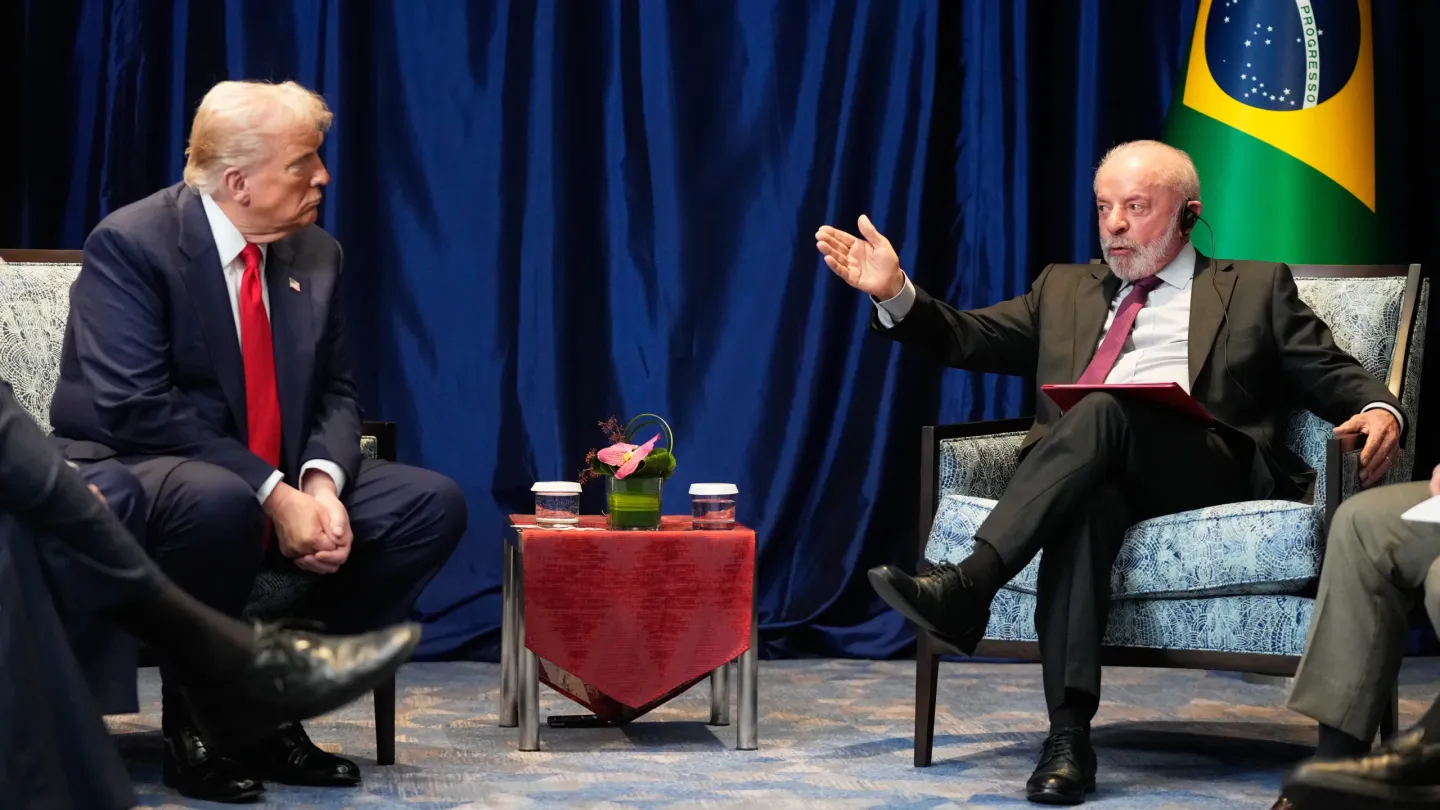
The United States has imposed 25 percent tariffs on selected Brazilian imports after concluding that Brazil engaged in what Washington described as unfair trade practices, prompting a sharp rebuke from President Luiz Inacio Lula da Silva's government.
On Thursday, the Office of the US Trade Representative (USTR) said the measures followed a yearlong investigation under Section 301 of the Trade Act of 1974, which examined Brazil’s policies on digital trade, electronic payments, intellectual property and other sectors.
US Trade Representative Jamieson Greer said negotiations had failed to resolve the issues but stressed that Washington remained open to further talks.
Washington cites digital trade, payment concerns
According to US officials, the investigation found that Brazilian policies created barriers for American companies in several areas.
A senior administration official said Brazilian court orders directed at US technology firms—including content removal requests and account suspensions—amounted to unfair trade restrictions.
The investigation also concluded that Brazil disadvantaged US electronic payment providers by favoring Pix, the instant payment system operated by Brazil’s central bank.


US officials further alleged that Brazil granted more favorable tariff treatment to India and Mexico than to American exporters.
Despite the new measures, Washington excluded several products from the tariffs, including oranges, orange juice, certain energy products, and aerospace parts.
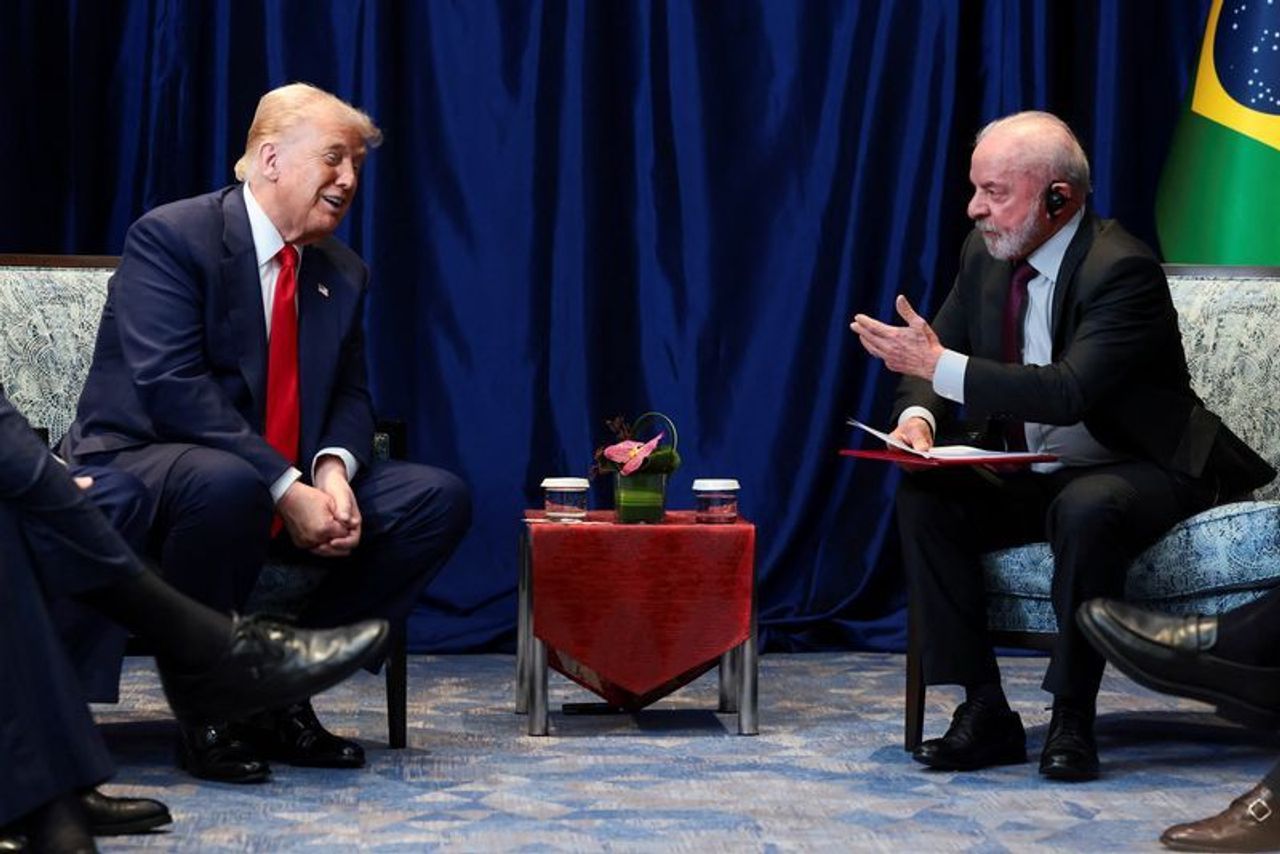
Brazil rejects allegations, condemns tariffs
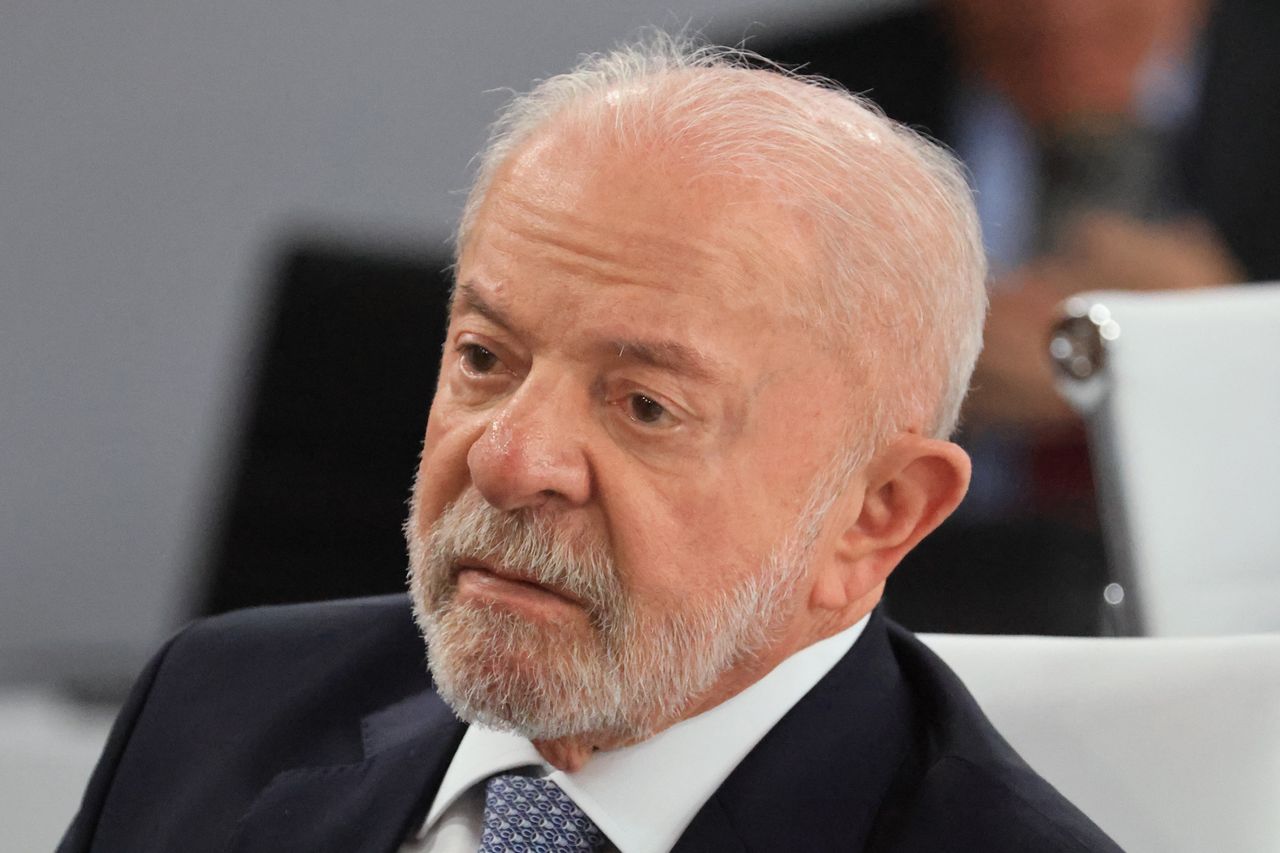
Brazil’s presidency condemned the US decision, rejecting allegations of unfair trade practices.
"The Brazilian government repudiates the decision announced today by the United States government regarding the imposition of 25 percent tariffs on Brazilian products," President Lula’s office said in a statement.
The Section 301 investigation, launched last year at President Donald Trump’s direction, also reviewed Brazil’s anti-corruption enforcement, ethanol market access, intellectual property protections and efforts to combat illegal deforestation.
The latest tariffs add to trade tensions between the Western Hemisphere’s two largest economies, even as US officials say negotiations remain possible.