 Yousef M. Al Jamal
Since the ceasefire agreement came into effect on October 10, 2025, Israel has killed more than 630 Palestinians and injured over 1,700.
Only a fraction of the promised aid trucks have been allowed into Gaza, and many people are still without desperately needed food, shelter, and medical care.
This winter, babies have frozen to death in tents while the supplies to keep them warm are held up by the Israeli military.
This is not the end of a genocide. It is simply the next phase.
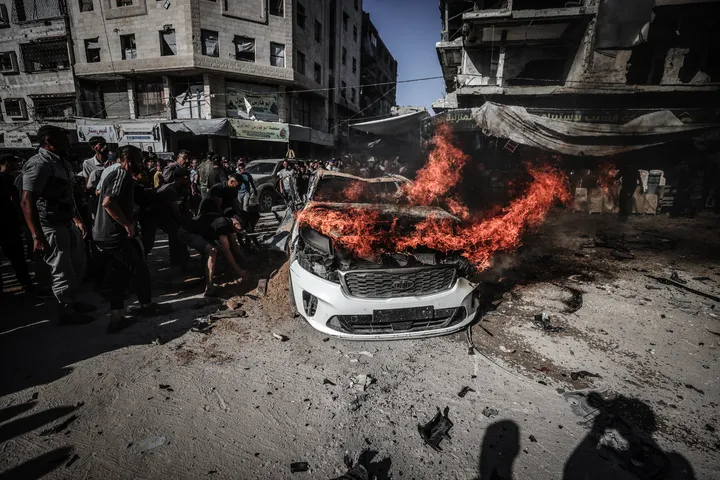
On February 1 alone, Israeli air strikes killed 35 Palestinians in Gaza.
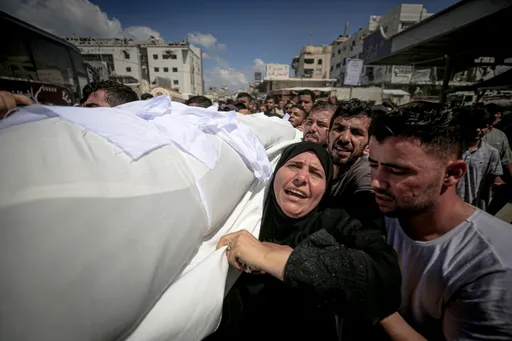
Among the victims were 13 people killed near a police station, including a man who had gone to report the theft of his bicycle and another who had gone to the police station to seek permission to organise a wedding celebration on the street.
As part of the ceasefire agreement, Israel agreed to reopen the Rafah Crossing, which connects Gaza to Egypt.
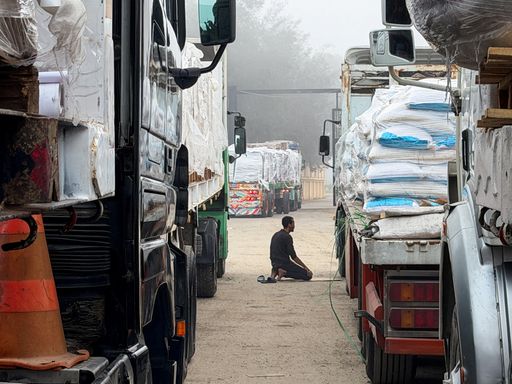
According to media reports, part of the delay was caused by Israeli negotiators insisting that there be more Palestinians leaving Gaza than returning, further evidence of efforts to depopulate Palestinians from Gaza.
After much delay and international pressure, the crossing opened for limited traffic on February 2, 2026.
The crossing and the city of Rafah were completely destroyed by the Israeli military in 2024.
Following its closure, tens of thousands of Palestinians were stranded on both sides of the border.
In Gaza, people with serious injuries and medical conditions were attempting to seek treatment in Egypt due to Israel’s destruction of Gaza’s healthcare system.
Around 20,000 Palestinians with serious injuries require urgent medical evacuations from Gaza, including more than 600 people who need urgent life-saving medical intervention.
For many, the limited reopening of the crossing came too late.
More than 1,250 Palestinians have died while waiting for evacuation since the Rafah crossing was closed in May 2024.
Israel has only agreed to allow 50 Palestinian patients, accompanied by two people each, to leave Gaza each day.
Meanwhile, on the other side of the crossing, ambulances carrying Palestinians who wanted to return to Gaza wait for hours, hoping Israel will let them return to Gaza.
On the first day the crossing was open, Israel allowed only eight patients (accompanied by caregivers) to leave. Only 12 people were permitted to return.
That same day, an Israeli air strike targeted the funeral of a Palestinian who had been killed in Israeli air strikes the previous day.
Three people, including an infant, were injured in the attack.
In the two weeks that followed, 455 Palestinians were allowed to leave Gaza, and 356 were allowed to return.
This is just a fraction of what Israel had agreed to.
Returning to Gaza
Israel is also punishing Palestinians who have chosen to return to Gaza. According to accounts published online by returning Palestinians, the Israeli military confiscated all their belongings except one suitcase of clothes.
Items confiscated included children’s toys. They were taken by members of the Abu Shabaab gang – a proxy group for Israel that is operating in Southern Gaza.
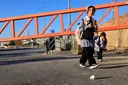
Returning Palestinians were taken to the Israeli checkpoint, doused with water, blindfolded, humiliated and interrogated for two to three hours about why they decided to return to Gaza. Only then were they allowed to cross into Gaza.
At the remains of the Rafah Crossing, Israel has erected fences, providing a stark reminder of the reality in Gaza: genocide, death, siege, control, survival and the desire to keep the population under surveillance.
A sign reads ‘To Gaza’ in English, followed by a broken translation in Arabic. The fact that it was written in English and broken Arabic speaks to the reality of today’s world.
There is no welcome on the sign — what would be the point of welcoming people to a concentration camp anyway?
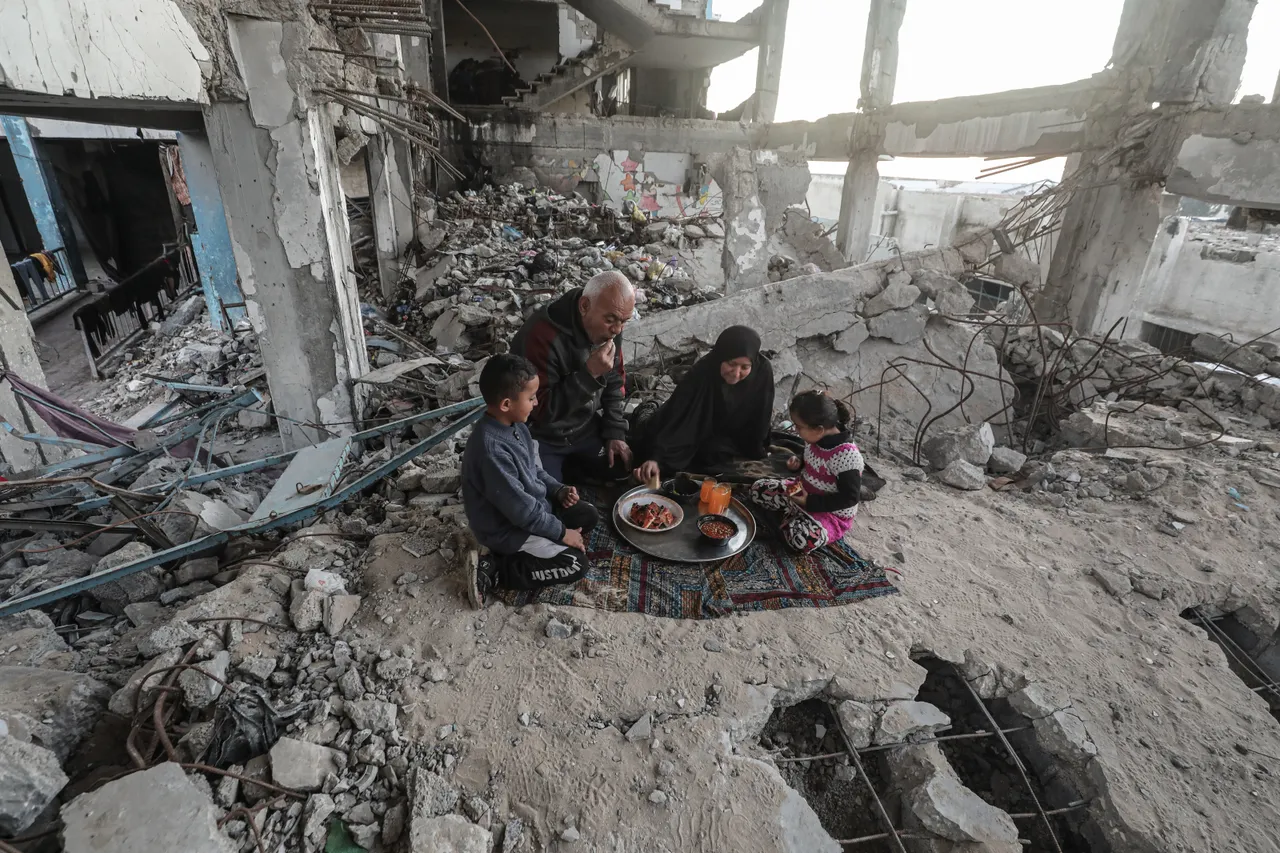
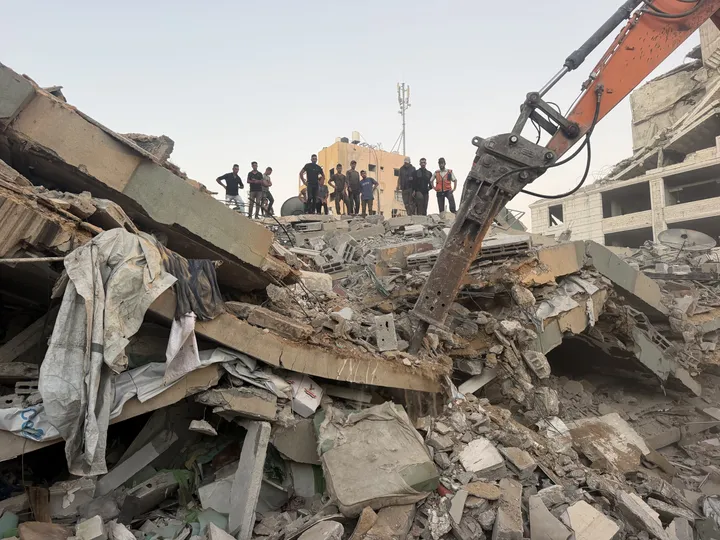
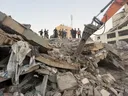
Not long ago, Rafah was Gaza’s gate to the world. Now, the entire urban centre comprising cities and towns has been reduced to rubble.
An endless line of tents has been erected on this rubble, providing shelter for two million people in Gaza over the past two years.
Just two miles away from the Rafah crossing is the Yellow Line, the border Israel has erected that contains more than half of Gaza’s land.
Dozens of Palestinians have been targeted and killed by the Israeli military simply for going near it.
The Israeli military can attack Gaza at any time and kill anyone without facing any consequences.
Ongoing lack of assistance
The world has failed Gaza and its people.
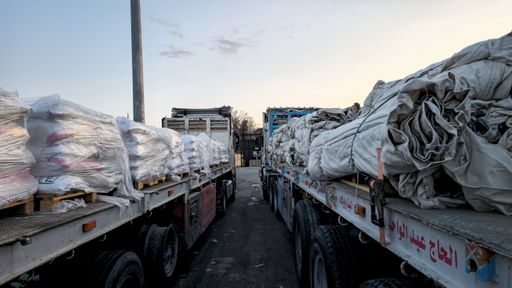
The number of aid trucks entering Gaza remains limited, and market prices remain too high.
Israel has systematically destroyed the medical system and killed over 1,400 medical workers; the day after the Rafah Crossing was nominally opened, Dr Intisar Shamlakh-Al-Rabii was killed by Israeli shelling of the Al-Tuffah area in Gaza City.
Death has not given Palestinians a break in Gaza yet.
In the face of such devastation, why does it matter whether ten people or 50 or 1000 cross into or out of Gaza?
There are the obvious reasons – patients in need of medical care and students wanting to attend schools abroad who are hopeful that the opening of the Rafah crossing will mark a new chapter in their lives following two years of an industrial-scale killing spree.
And on the other side, those who have been stuck in Egypt and are desperate to reunite with loved ones, even if it means the daily risk of death.
But Rafah Crossing also symbolises something far bigger. It is Gaza’s potential connection to the world, and a potential connection home for displaced Palestinians everywhere.
A border that can be crossed shines light on the deadly fallacy that genocide happens “elsewhere,” that Gaza is beyond the reach of empathy or action or international law.
It reminds us that people starved to death just kilometres away from trucks full of food, that people in the Israeli government and military made the decision to block lifesaving aid.
The more people who can cross that border, the harder it becomes for Israel to keep out journalists – or keep them in.
But keeping Gaza out of sight is the one battle the Israeli government keeps losing. We cannot stop our work now.
A “ceasefire” is not a ceasefire if Israel keeps dropping bombs.
Demanding that people, supplies, food, and information flow in and out of Gaza uninhibited is an important first step towards a real ceasefire and a real peace.