Stocks fell in Asia on Tuesday while oil prices retreated after the previous day's surge, but remained well above $100 a barrel, as the US and Iran traded blows over the Strait of Hormuz, leaving a fragile truce hanging in the balance.
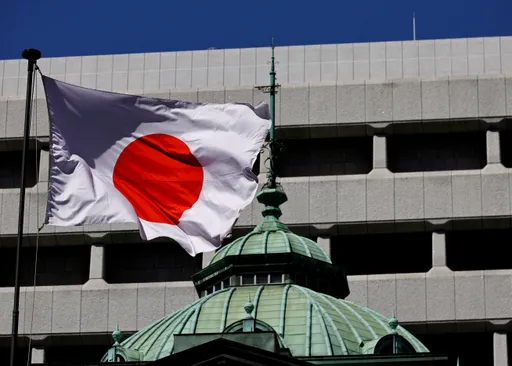
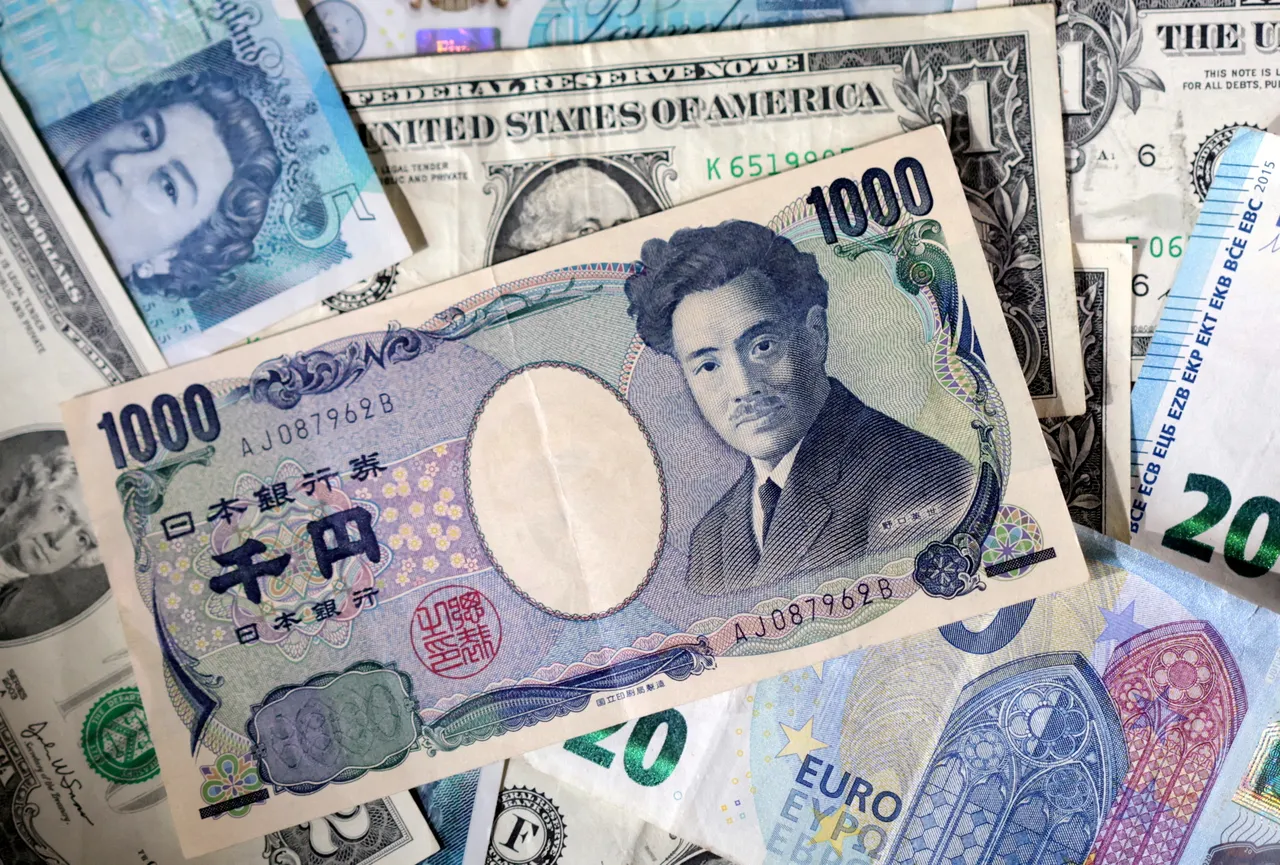
Traders also had their eyes on the yen after the Japanese currency briefly jumped in the previous session, stoking speculation of another round of intervention from Tokyo.
EUROSTOXX 50 futures were down 0.3 percent and FTSE futures shed 1 percent, while DAX futures lost 0.4 percent.
In Asia, MSCI's broadest index of Asia-Pacific shares outside Japan dropped 0.6 percent in thin trade, with markets in Japan and South Korea closed for a holiday.
Hong Kong's Hang Seng Index lost more than 1 percent while China's CSI300 blue-chip index was little changed.
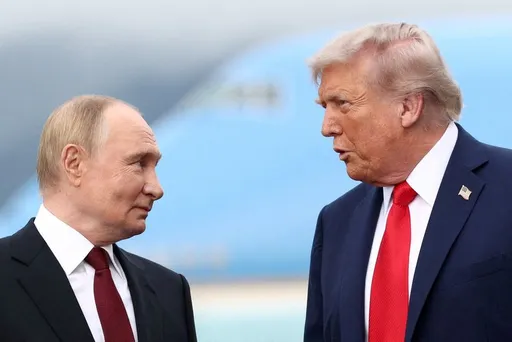
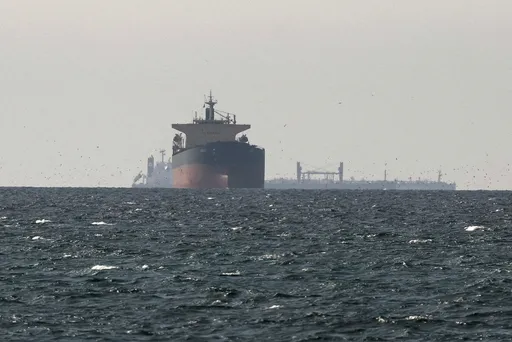
The US and Iran launched new attacks in the Gulf on Monday as they wrestled for control over the Strait of Hormuz with duelling maritime blockades, not long after US President Donald Trump launched a new effort to get stranded tankers and other ships through the vital energy-trade chokepoint.
Maersk said the Alliance Fairfax, a US-flagged vehicle carrier operated by its Farrell Lines subsidiary, exited the Gulf via the Strait of Hormuz, accompanied by US military assets on Monday.
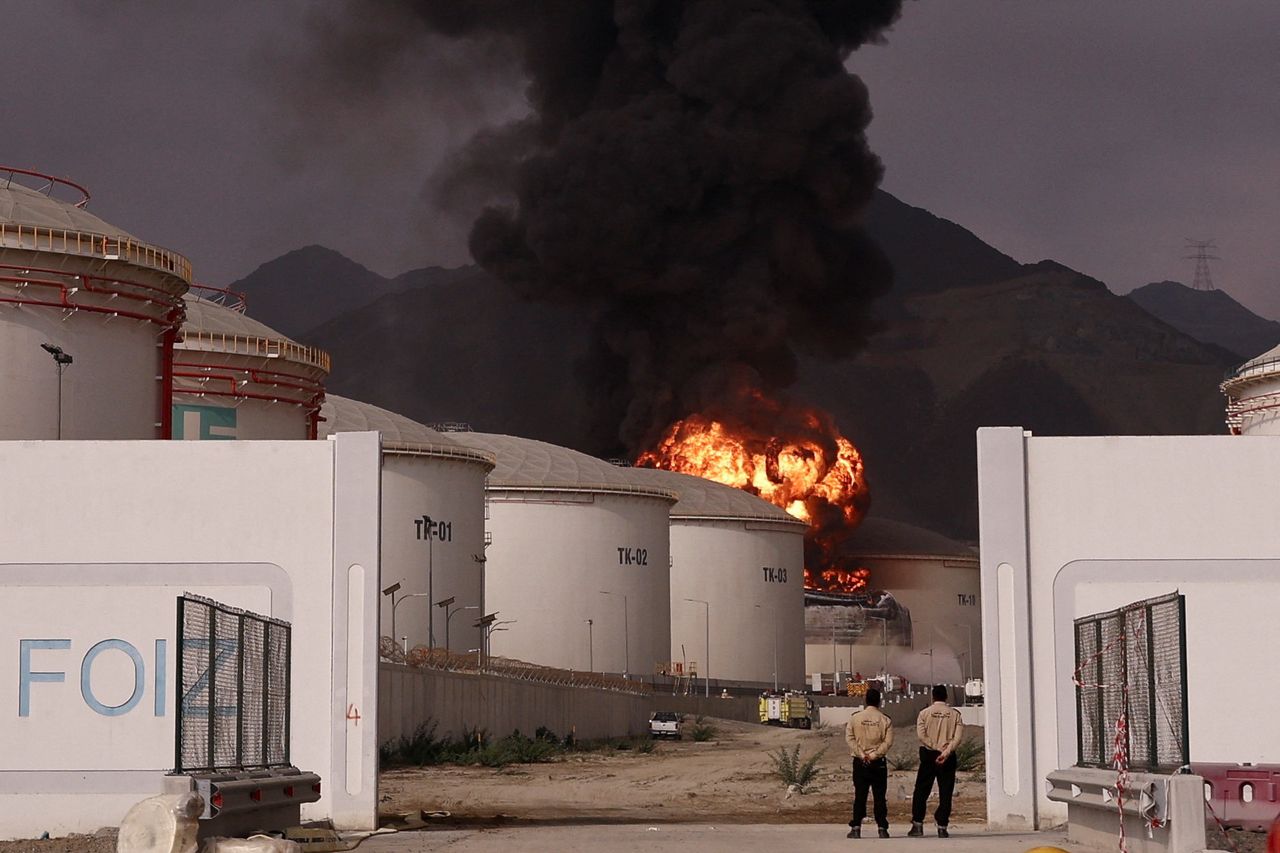
'Project Freedom'
Still, the renewed hostilities jolted markets and served as a stark reminder that the war in the Middle East was far from over.
"We started yesterday with high hopes that operation 'Project Freedom' would be, I guess, a success on the ground, that it was being pitched as more of a humanitarian effort," said Tony Sycamore, a market analyst at IG.
"But as we saw, the Iranians weren't taking that bait at all... It really signifies that the stalemate remains in place, it's been a very shaky start."
In oil markets, Brent crude futures fell 1.3 percent to $112.93 a barrel while US crude slid 2.3 percent to $104 per barrel, having both jumped in the previous session on heightened worries about supply disruption.
Geopolitics aside, investors were also bracing for earnings reports this week, with Advanced Micro Devices and Pfizer among those set to release results later in the day.
Data from S&P Global Market Intelligence showed 83 percent of S&P 500 companies that have already reported have beaten EPS estimates and 78.2 percent of them have beaten revenue estimates.






Nasdaq futures rose 0.26 percent and S&P 500 futures were up 0.17 percent, after both indexes ended lower in the overnight cash session.
"With no signs of slowing down, AI-driven spending will likely continue to do the heavy lifting for S&P 500 earnings growth, led by the technology sector," said Jeff Buchbinder, chief equity strategist at LPL Financial.
Yen intervention watch
The yen was last steady at 157.26 per dollar, after Monday's short-lived surge that saw the Japanese currency touch an intraday high of 155.69.
Japanese Finance Minister Satsuki Katayama on Monday spoke out against speculative trading in foreign exchange, leaving market participants on alert for further intervention after sources told Reuters Tokyo intervened to prop up its ailing currency on Thursday.
Abbas Keshvani, Asia Macro Strategist at RBC Capital Markets, said authorities could intervene again if dollar/yen continues to test 160 which they have historically defended, noting that in 2022, Tokyo "fired three volleys of intervention in a few weeks".
"We suspect intervention will merely act as a lid on USD/JPY, not a catalyst for protracted yen strength," he said.
In other currencies, the Australian dollar last traded 0.08 percent lower at $0.7162, after the Reserve Bank of Australia on Tuesday raised rates for a third time this year in a widely expected move.
The US dollar, meanwhile, firmed on safe-haven demand.
The outlook for Federal Reserve policy could be shaped by a raft of data this week, which includes April's nonfarm payrolls report on Friday.
Expectations are for the US economy to have added 62,000 jobs following March's outsized 178,000 gain, though problems with seasonal adjustment make for much uncertainty.
Markets currently expect the Fed to leave its policy interest rate on hold this year, owing to inflationary pressure from the global energy shock.
Elsewhere, spot gold rose 0.3 percent to $4,533.68 an ounce, trading well within recent ranges.