Iconic Palestinian artist Sliman Mansour, whose work became a symbol of Palestinian identity, memory and resistance, has died at the age of 79, his family said late on Monday.
“The final chapter has been written,” the family said in a statement. “With hearts heavy beyond words, we share that our beloved father has passed away.
“To the world, he leaves behind a life filled with beauty, memory, and a legacy that will continue to live through all those he touched,” it added.
The family said funeral and memorial details will be announced later.
Born in 1947 in the town of Birzeit near Ramallah in the occupied West Bank, Mansour was one of the most prominent figures in modern Palestinian art, working as a painter, sculptor, writer and cartoonist.
For more than five decades, his works documented Palestinian struggle, displacement, attachment to land, and cultural memory, using symbols drawn from Palestinian history, heritage, and daily life.
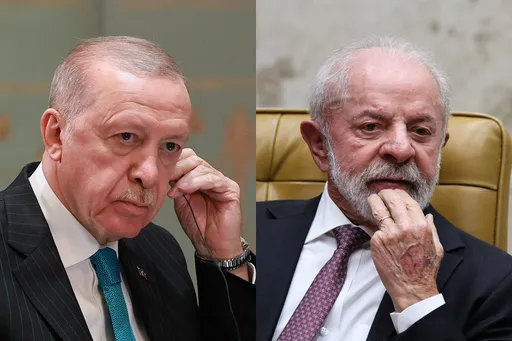
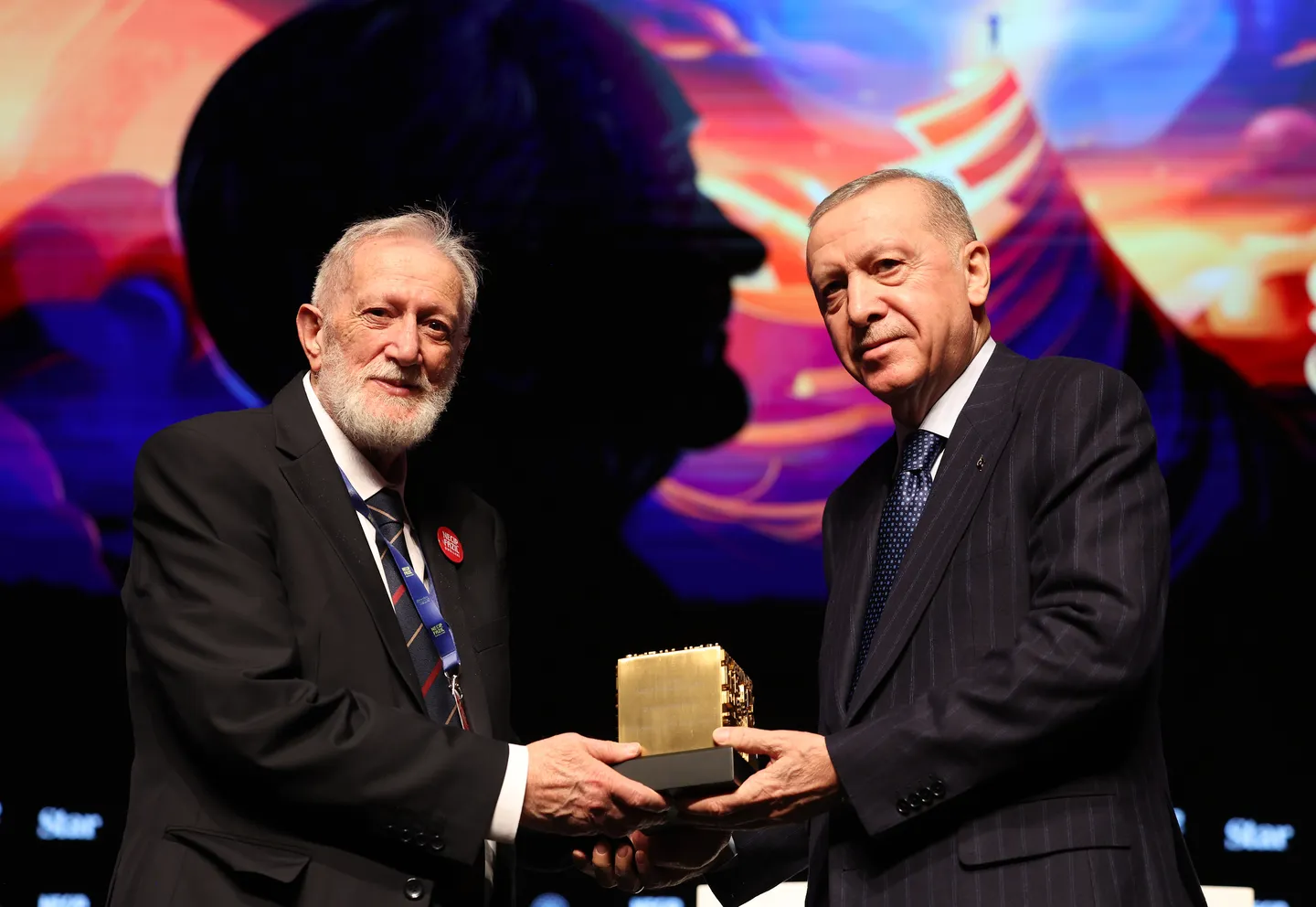
Last year, Sliman Mansour received the ‘Necip Fazil International Culture and Art Award’ from Turkish President Recep Tayyip Erdogan for reflecting symbols drawn from Palestinian culture, history and tradition in his paintings with exceptional imagination and inspiration, and for immortalising the resistance of the Palestinian people through the language of modern painting for over half a century.
In a 2024 interview with Anadolu, Mansour said he saw art as a way to “rehumanise” Palestinians amid attempts by “Israelis and the West” to dehumanise them.
“As artists and people who deal with culture, it’s our role to rehumanise the Palestinian people,” he said.
Mansour often placed land at the centre of his work, saying: “Everybody is fighting about the land, and the land is my main inspiration.”
Among his best-known works is “The Camel of Hardships”, which depicts an elderly Palestinian man carrying the city of Jerusalem on his back, an image that became one of the most recognisable symbols of Palestinian endurance.
In the same interview, Mansour said his message to Palestinians living outside their homeland was: “Don’t forget Palestine and Palestine is beautiful.”
“In my art, there is no message of hate. It’s beauty and love,” he said.