UN Condemns Israel's Ban on Palestinian Refugee Agency Amid Ongoing Crisis
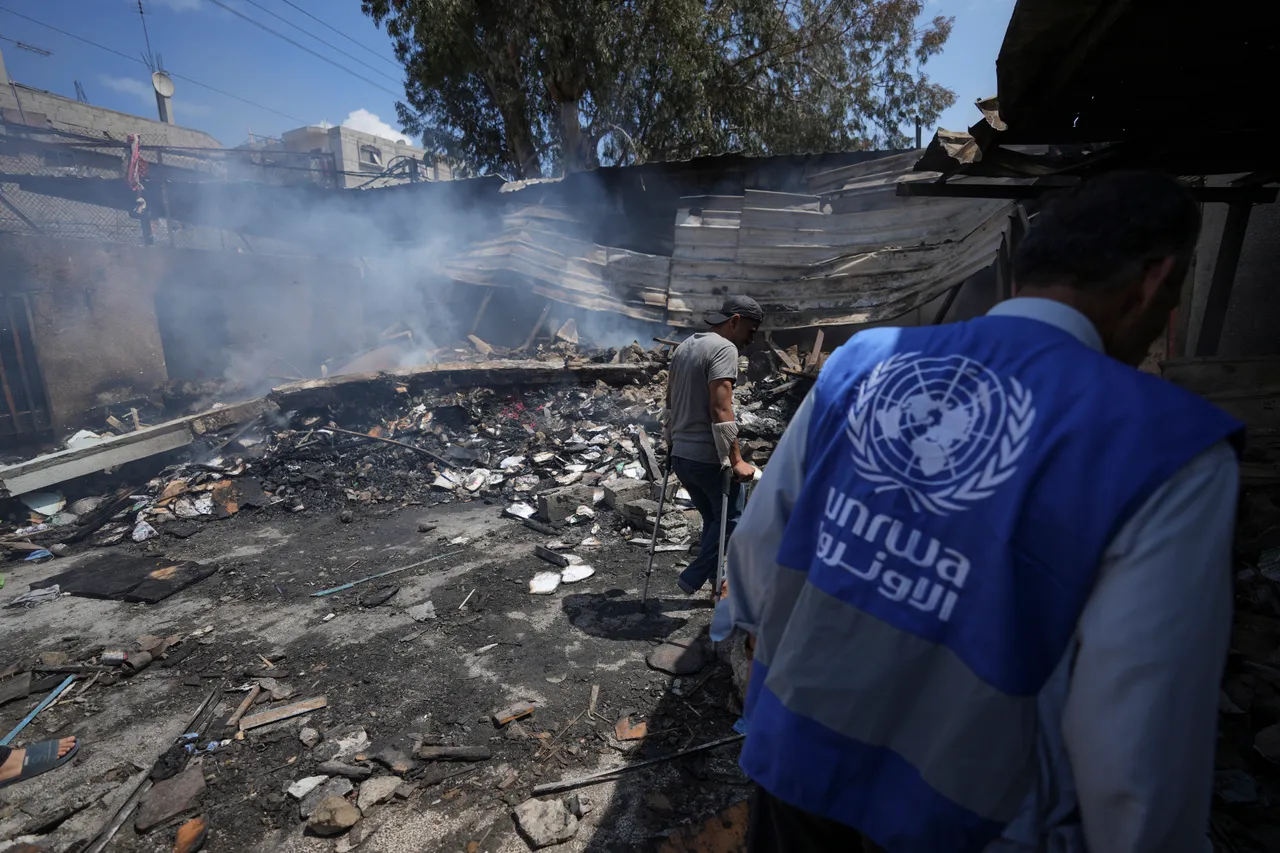
The United Nations humanitarian office has raised serious concerns over Israel's recently announced ban on the United Nations Relief and Works Agency for Palestine Refugees in the Near East (UNRWA). The restrictions necessitate that the UN agency vacate all its positions in occupied East Jerusalem and terminate its operations by January 30. This impending ban threatens to sever crucial communication between UNRWA, the major provider of humanitarian aid in Gaza, and Israel, further exacerbating an already critical humanitarian situation.
UN's Strong Stance Against Ban
During a press briefing in Geneva, UN humanitarian spokesperson Jens Laerke expressed dismay over the Israeli government’s decision, emphasizing that it lacks logical reasoning. His comments came in response to a question posed by Anadolu Agency, where he reiterated the UN's longstanding stance against such measures.
Laerke noted, “As we have said since this was first discussed in the political realm of this conflict, this does not make any sense.” He highlighted the UN’s prior advocacy for the reconsideration of these provisions, reinforcing disbelief regarding their justification. The UN firmly supports UNRWA, standing behind its Commissioner-General Philippe Lazzarini, amid growing unease about the ramifications of the ban on humanitarian operations.
Support for UNRWA Amidst Growing Challenges
Recognizing UNRWA as the “backbone” of humanitarian efforts in the region, Laerke elaborated on the agency’s vital role and capacity. He underscored that thousands of staff members continue to provide essential services including logistics, health, and education, even amid the turmoil of ongoing conflict for over 15 months.
Lazzarini, the Commissioner-General, previously articulated the agency's commitment to delivering aid wherever feasible, despite the significant risks involved due to the no-contact policy with Israel. Laerke echoed these sentiments, asserting, “We stand fully behind UNRWA and what they are doing, and Mr. Lazzarini's messaging about our continued efforts.”
Critical Aid Disruptions and Wider Implications
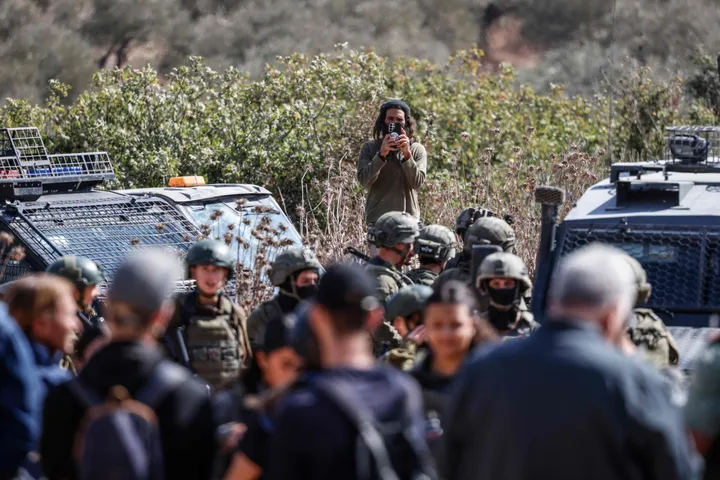


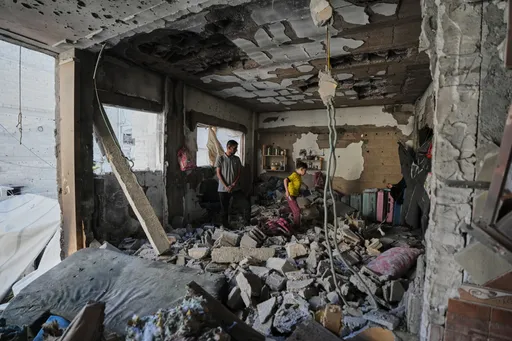
As the situation in Gaza remains fraught with violence and uncertainty, the Israeli ban on UNRWA has heightened alarms regarding potential disruptions to vital aid for millions of Palestinian refugees. UN officials persistently warn that such measures will likely exacerbate an already dire humanitarian crisis.
Established in 1949, UNRWA has been instrumental in providing essential services to Palestinian refugees in the occupied West Bank, Gaza, Lebanon, Jordan, and Syria. Through decades of political instability and financial turbulence, the agency has served as a lifeline for numerous vulnerable communities, delivering health care, education, and other critical services. Laerke reiterated, “Our position remains the same. UNRWA is an indispensable part of the operation, and they need to remain,” highlighting the urgency for Israel to rescind its recent decision.
Despite appeals from the international community and UN officials for reconsideration of the ban, the Israeli government has not publicly responded. With tensions running high, the implications of this decision could deepen the crisis and hinder crucial humanitarian operations, leaving those dependent on aid in an even more precarious situation.
The Humanitarian Landscape in Palestine
As hostilities continue in Gaza, the humanitarian landscape remains increasingly complicated. The impact of the Israeli government's decision to limit UNRWA’s operations is particularly concerning at a time when access to aid and support is critical for many. Over the years, many refugees have faced harsh living conditions, exacerbated by ongoing military operations and blockades.
The UN has consistently called for protection and support for Palestinian refugees and emphasized the necessity of maintaining operational channels for aid delivery. Aid workers have expressed trepidation regarding the possible outcomes and consequences that may ensue from this development, reiterating the essential need for continued cooperation between stakeholders involved in providing humanitarian assistance.
World leaders and humanitarian organizations have launched initiatives in hopes of engaging Israel diplomatically to secure a reversal of the ban on UNRWA. They argue that facilitating aid is not merely an operational issue but a humanitarian imperative that aligns with global human rights standards and obligations.
As developments unfold in this contentious environment, the hope remains that all parties involved can reach an agreement, allowing humanitarian efforts to proceed unimpeded amidst the backdrop of ongoing geopolitical tensions in the region.