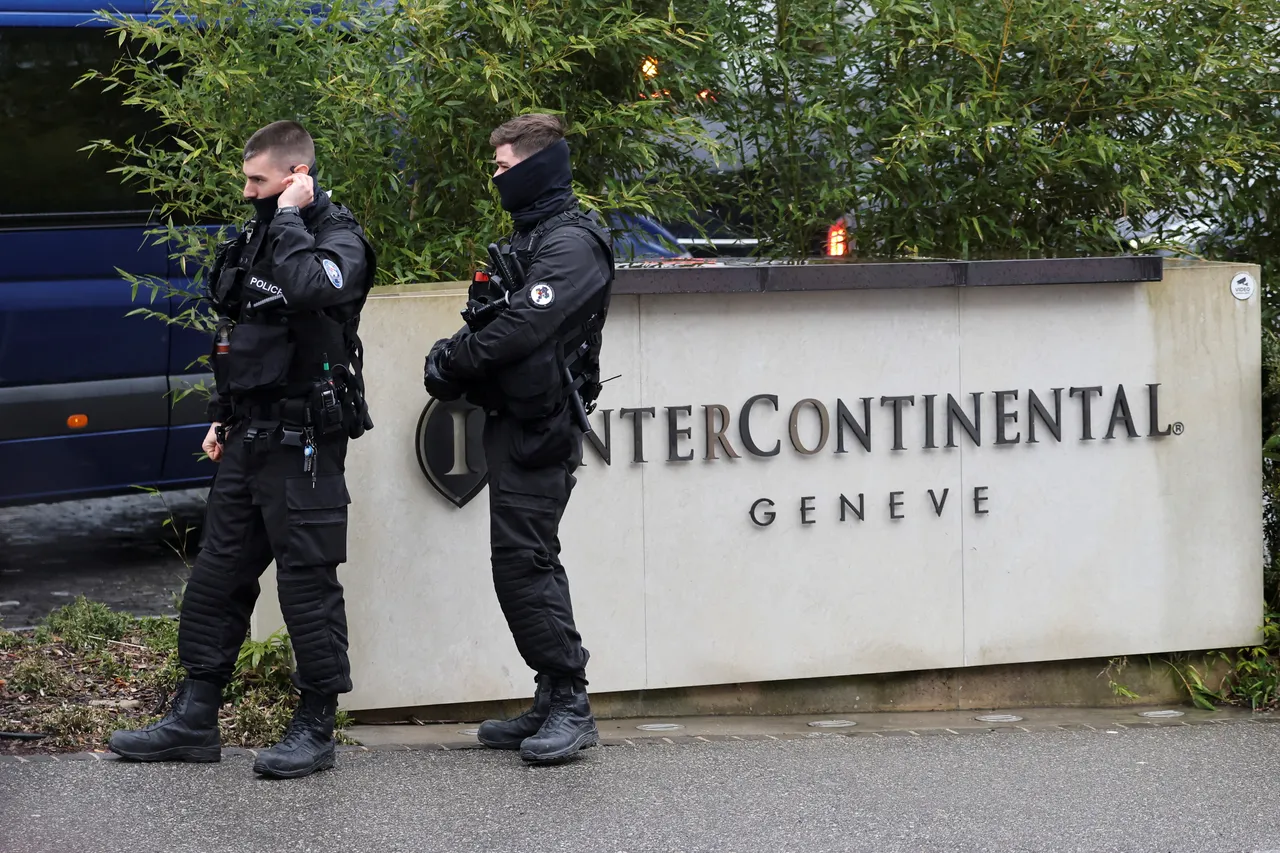
The United States has held meetings in Geneva with Russian and Chinese delegations on nuclear weapons, after the final treaty limiting US and Russian nuclear deployments expired earlier this month, a senior State Department official has said.
"Today, I met with the Russian delegation. Tomorrow, we'll meet with the Chinese delegation, among others," the official told reporters in Geneva on Monday, speaking on condition of anonymity.
The official said Washington had previously held "preparatory" meetings with Russia and China in Washington following the lapse of the New START treaty on February 5, adding that the Geneva talks were "a little bit more substantive".
The United States has also spoken with Britain and France "on multiple occasions" in recent weeks, the official said.
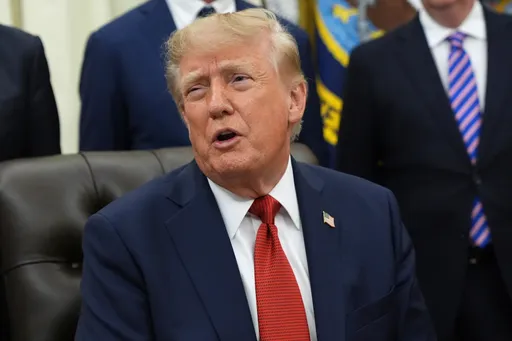
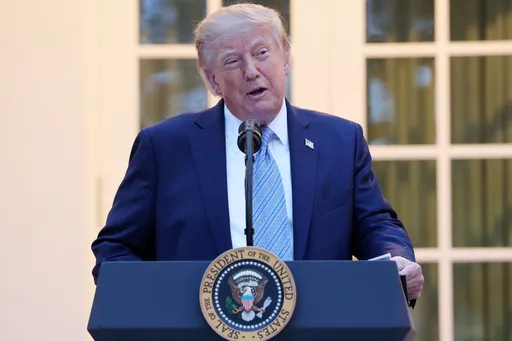
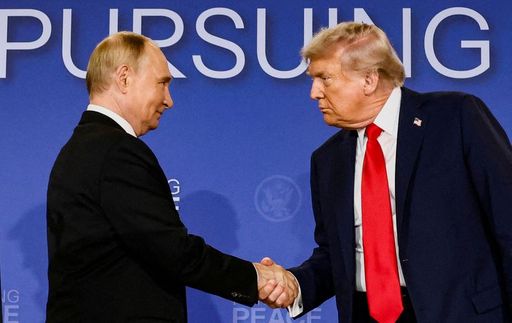
New START, the last remaining treaty between Washington and Moscow restricting deployed nuclear warheads, expired as President Donald Trump called for a new agreement that would also include China.
China's nuclear arsenal remains significantly smaller than those of Russia and the United States, but has grown rapidly in recent years.
Beijing has publicly rejected calls to join negotiations on a trilateral pact.




An uncertain nuclear future
Christopher Yeaw, the US assistant secretary of state for arms control and non-proliferation, told the Conference on Disarmament in Geneva that New START had been seriously flawed and "did not account for the unprecedented, deliberate, rapid and opaque nuclear weapons build-up by China".
China's ambassador, Shen Jian, pushed back, telling the conference that Beijing would not "engage in any nuclear arms race, with any country".
"China's nuclear arsenal is not in the same league as the countries possessing the largest nuclear arsenals," he said, adding that it was not "fair, reasonable or realistic" to expect China to participate in "so-called trilateral talks".
The senior US official said Trump was encouraging "multilateral strategic stability dialogue and arms control negotiations" aimed at reaching a better agreement.
The official described bringing discussions to the P5 — the five permanent members of the UN Security Council — as "the next logical, natural step", but said bilateral, multilateral or plurilateral formats remained possible.
"We're not going to constrain ourselves to a particular format of negotiations or dialogue," the official said.