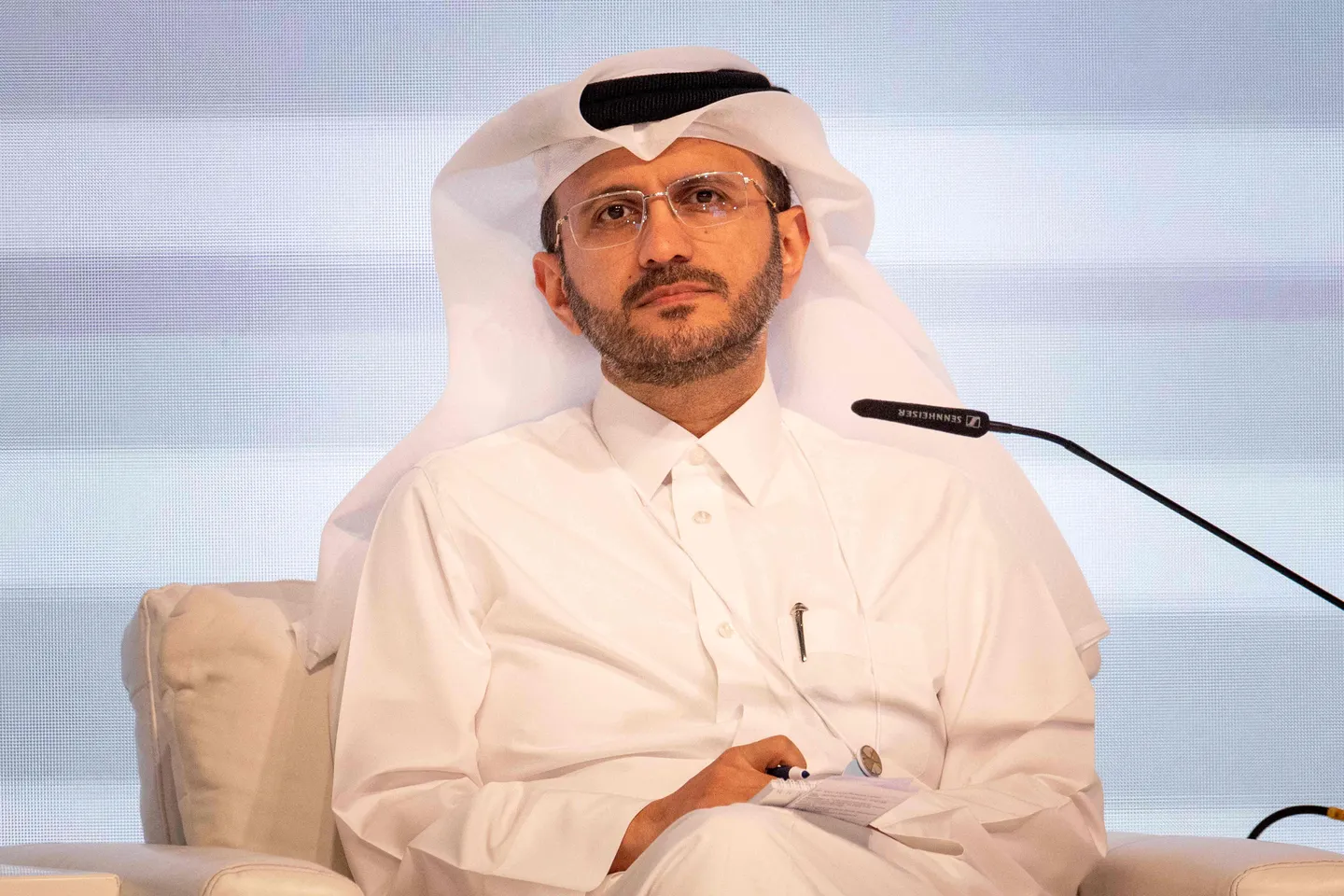
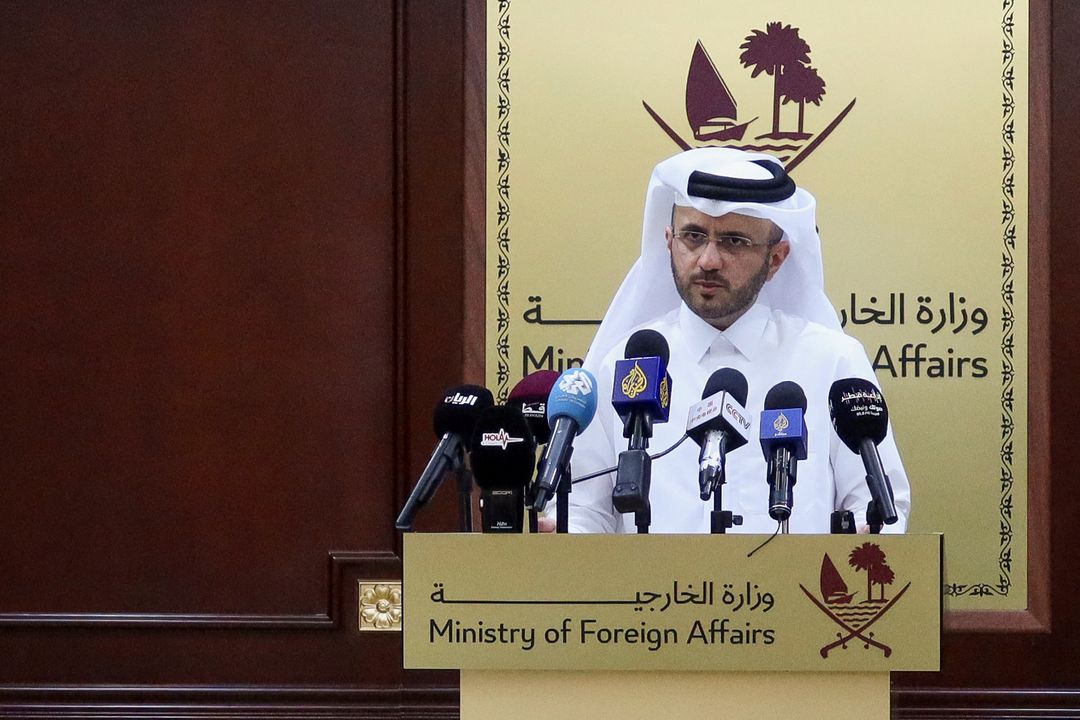
Qatar has sought to "phase this crisis out" rather than pursue an immediate end to the US-Iran war, aiming to establish conditions for comprehensive regional dialogue and a sustainable political resolution, Foreign Ministry spokesperson Majed al-Ansari confirmed.
Speaking to CNN, Al-Ansari stated that Doha believes the conflict cannot simply be frozen, cautioning that an abrupt pause without addressing root causes risks paving the way for another round of confrontation.
"We have to phase this crisis out rather than end it immediately," he said.
"What we need to do is make sure the playing field is in a place where we can have the right negotiations for a sustainable solution."
He stressed that Qatar does not want the region to transition between recurring cycles of intense fighting: "We do not want to go from a high-intensity conflict to a high-intensity conflict. We don't want to freeze this conflict and be back here a couple of months later."
Inclusive dialogue
Al-Ansari outlined Doha's two immediate operational priorities: mitigating economic pressure and preventing military escalation across the Gulf and Iran.

"Right now, what we are doing, we have two main priorities. One is make sure that the Strait of Hormuz is open and that the economic pressure on all of us collectively and the peoples in the region, including the people of Iran, has left us," he stated.
The second priority is to halt further military strikes to foster an environment in which regional stakeholders can pursue inclusive engagement.
"When we get to that point, this is the point we need to have a regional push, all of us collectively, to make sure that dialogue happens and it is a comprehensive dialogue that includes all of us, not just outside," he said.
Identifying political will and technical hurdles as the primary barriers to an agreement, Al-Ansari noted that Qatar is actively preparing proposals to address both challenges.
He observed that sanctions have failed to yield expected diplomatic breakthroughs, underscoring that "this issue will only be resolved through a deal. It will only be resolved at the negotiation table."
He also issued a strong warning against normalising maritime disruptions in the Strait of Hormuz, which threaten global energy and food security: "We need to kill this in its infancy. It cannot become the new normal in war for countries to basically just close waterways in this way," urging accountability and respect for international law.