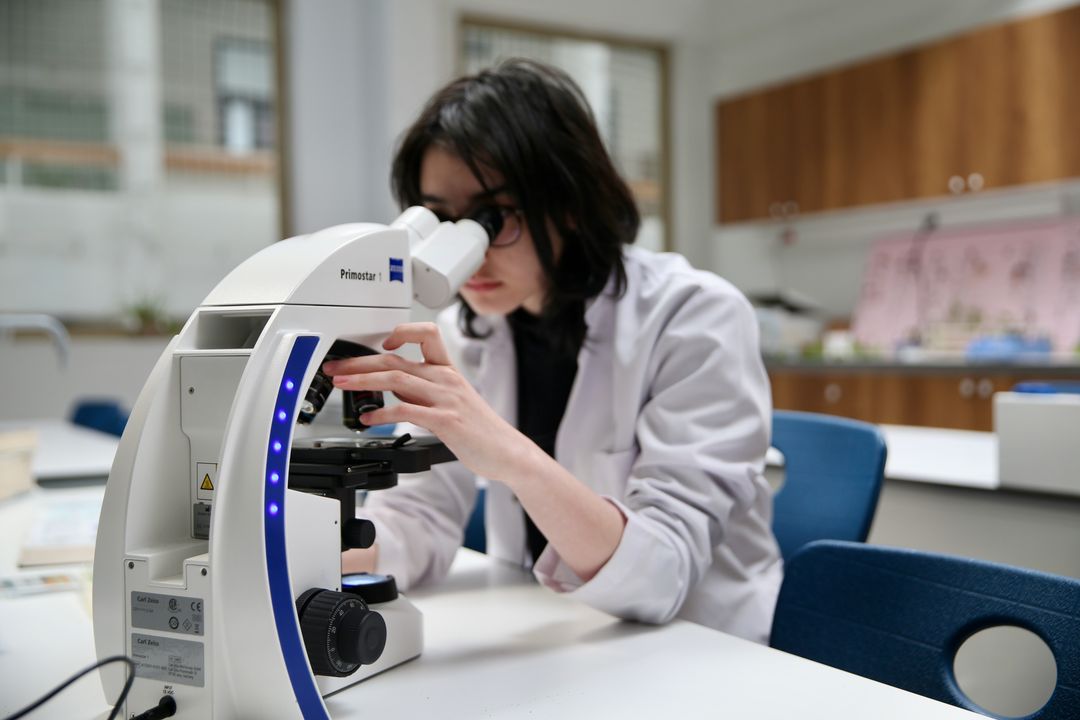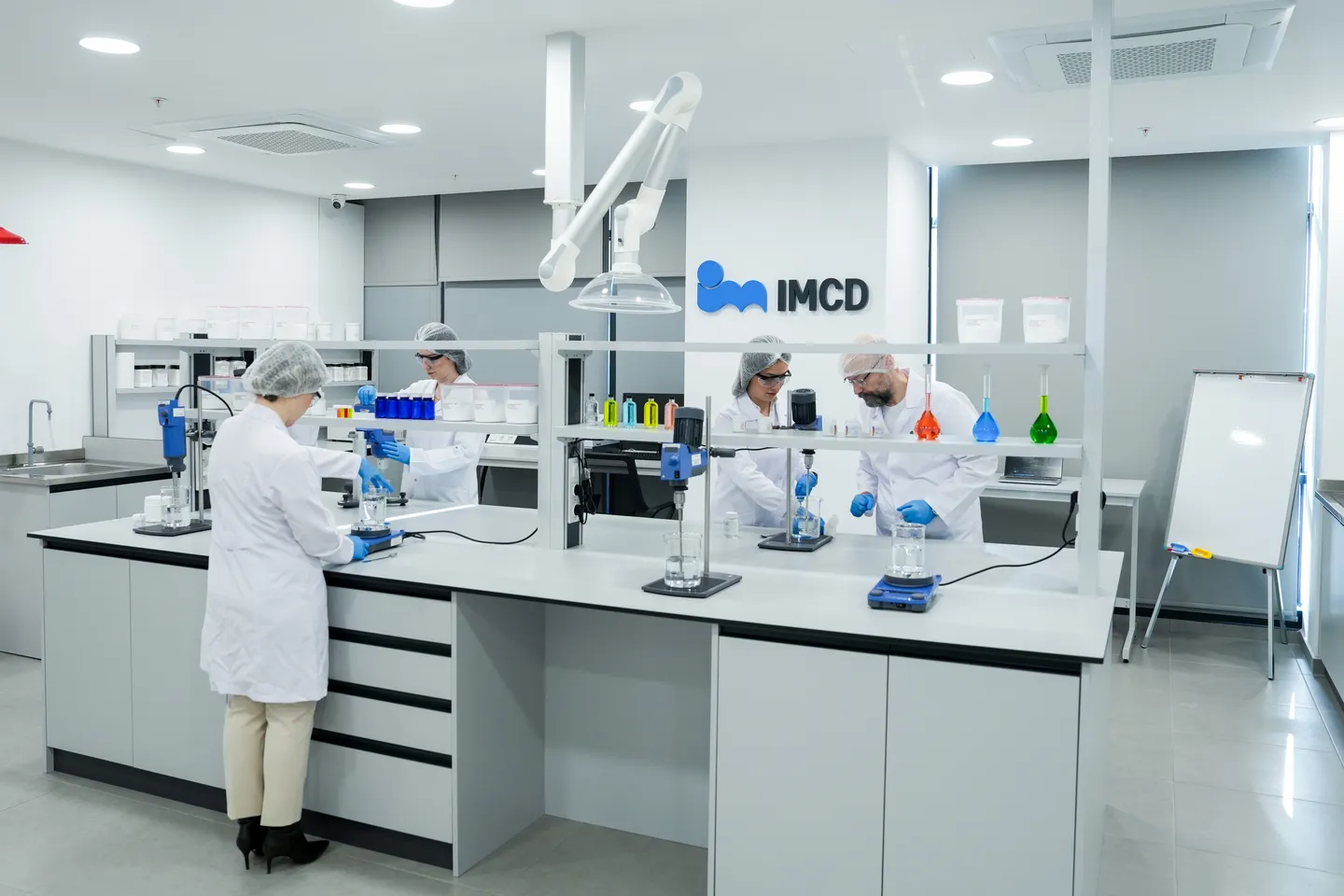
Türkiye’s innovation ecosystem grew significantly over the years, driven by state support, with the number of active research and development (R&D) centres reaching 1,365 and design centers totaling 348 by the end of September.
Data from the Turkish Ministry of Industry and Technology showed that R&D hubs employ nearly 94,000 workers nationwide, including nearly 57,700 with bachelor’s degrees, over 18,500 with master’s degrees, and over 2,100 with a doctorate or higher.
Türkiye’s academically well-equipped R&D workforce has completed more than 80,400 projects to date, with nearly 16,000 still underway.
The robust innovation hubs have generated almost 49,000 patents so far, with over 17,500 registered and about 31,300 awaiting examination results.
Türkiye’s R&D network spans the country and many sectors, from energy, agriculture, and healthcare to transportation, logistics, and aviation.
The machinery and equipment manufacturing sector led with 160 centres, followed by the auto supply industry with 136 and the software sector with 128, the data showed.
The drivers of R&D innovation also included the computer and communications technologies sector with 86 centres, chemicals with 82 hubs, textiles and electrical sectors with 77 facilities each, food and the defence industry (excluding weapons and ammunition) with 65 each, and the general manufacturing industry with 43 centres.


The facilities are spread nationwide, but Istanbul has the highest concentration of R&D hubs with 428 centres, Ankara with 168, Kocaeli with 137, Bursa with 134, Izmir with 105, Tekirdag with 54, Manisa with 34, Konya with 26, Sakarya with 25, and Antalya with 21.
Meanwhile, Türkiye’s 348 design centres employ 8,481 workers, 5,540 of them with bachelor’s degrees, 820 with master’s degrees, and 50 with doctorates or higher degrees.
While the design centres operate across a myriad of sectors, they are heavily focused on industrial and structural sectors, with the textile industry ranking first, boasting 54 centres, followed by engineering and architecture with 51, general manufacturing with 45, and machinery and equipment manufacturing with 43.
The design ecosystem also included 23 design centres for the auto supply industry, 17 for media and communications, 15 for the furniture sector, 12 each for construction and auto manufacturing, and eight for the defence sector.
Istanbul is home to most of the design centres, with 154, followed by the capital Ankara with 39, Bursa with 31, Izmir with 28, and Kocaeli and Tekirdag with 15 each, according to ministry data.