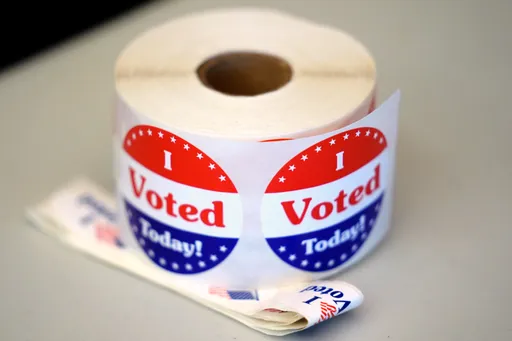
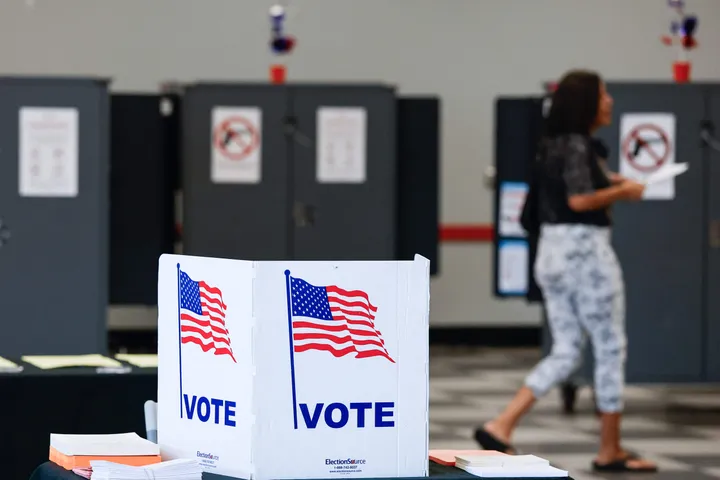
Two anti-establishment candidates in Tunisia's divisive election claimed on Sunday to have won through to a runoff, hours after polling closed in the country's second free presidential poll since the 2011 Arab Spring.
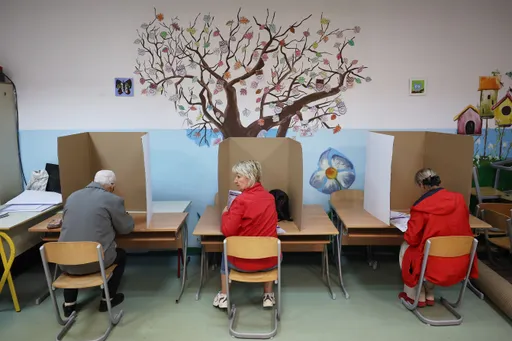
In a sign of voter apathy, especially among the young, turnout was reported by the elections commission (ISIE) to be 45 percent, down from 64 percent recorded in a first round in 2014.
Kais Saied, a 61-year-old law professor and expert on constitutional affairs who ran as an independent, claimed to be in pole position.
He finished "first in the first round," he said, citing exit polls ahead of preliminary results expected to be announced on Tuesday.
"My win brings a big responsibility to change frustration to hope... it is a new step in Tunisian history... it is like a new revolution," said Saied to a local radio station on Sunday.
There was also an upbeat atmosphere at the party headquarters of jailed media mogul Nabil Karoui, behind bars due to a money-laundering probe, as hundreds of supporters celebrated after he also claimed to have reached the second round.
Other prominent candidates in the first round included Abdelfattah Mourou, heading the first-time bid for Islamist-inspired party Ennahdha, and Prime Minister Youssef Chahed.
The low turnout will be seen as a blow in the young countries path towards democracy with many becoming disillusioned with the slow pace of change in the country.
Official results are expected on Tuesday.
Personality clashes
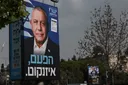

Prime Minister Chahed also ran in the elections but his popularity has been tarnished by a sluggish economy and a high cost of living, and he has found himself having to vehemently deny accusations that Karoui's detention since late August is politically inspired.
The election follows an intense campaign beset by personality clashes, albeit one with few clear political differences, brought forward by the death in July of 92-year-old president Beji Caid Essebsi.
He had been elected in the wake of the 2011 revolt that overthrew former dictator Zine El Abidine Ben Ali.
TRT World's Aksel Zaimovic reports.
Publication of opinion polls has officially been banned since July, but one thing appears sure – many voters remain disillusioned with the pace of change.
Some presidential hopefuls had tried to burnish anti-establishment credentials in a bid to distance themselves from a political elite discredited by personal quarrels.
Another independent candidate was Defence Minister Abdelkarim Zbidi, a technocrat running for the first time, although with backing from Essebsi's Nidaa Tounes party.
The long list of active runners was trimmed by the last-minute withdrawal of two candidates in favour of Zbidi, although their names remained on the ballot paper.
But Karoui's detention, just 10 days ahead of the start of campaigning, has been the top story of the election.
Studies suggested his arrest boosted his popularity.