Karya Naz Balkiz
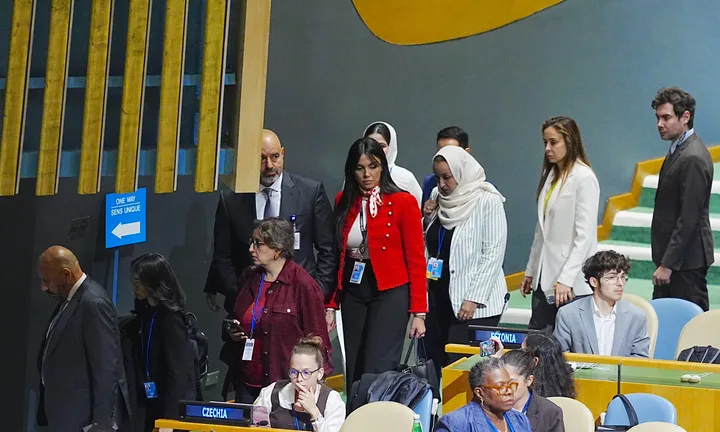
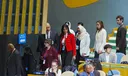
Iraqi lawmakers have failed for a third time to elect a new national president for lack of a quorum, deepening the war-scarred country's political crisis.
"The assembly adjourned its session until further notice," the parliament's press service said on Wednesday without giving a new date.
A parliamentary source said that only 178 out of 329 lawmakers were present in parliament, far short of the two-thirds quorum required for the vote.
As in the previous two aborted votes, last Saturday and February 7, Wednesday's session was boycotted by a major Shiite coalition bloc in parliament.
The continued failure by parliament to select a president after last year's elections reflects a deep schism between the country's Shia political groupings.
Iraq's federal court has given lawmakers until April 6 to choose a new president.
READ MORE: Iraq fails to elect new president as political impasse continues
Political paralysis
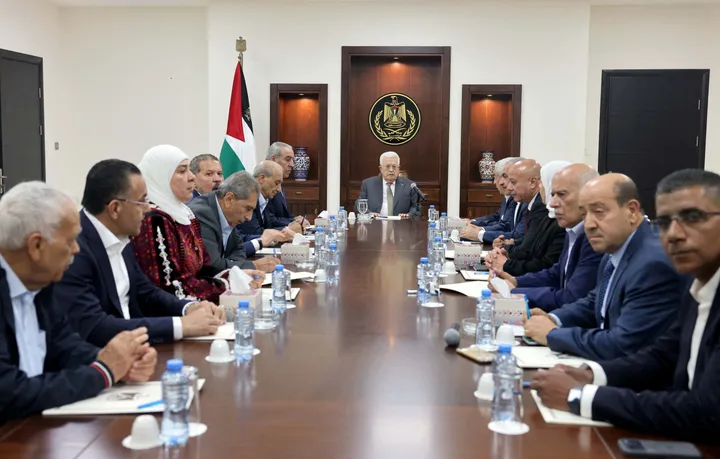
Half a year after October 2021 legislative elections, Iraq still does not have a new president or prime minister, keeping the country in a state of political paralysis. Parliamentarians must first elect the head of state, by convention a member of the Kurdish minority, with a two-thirds majority.
The president then appoints the head of government, a post now held by Mustafa al Kadhimi. Among the 40 candidates for the presidency, two are considered the frontrunners: incumbent Barham Salih, and Rebar Ahmed.
On February 13, Iraq's supreme court ruled out a presidential bid by veteran politician Hoshyar Zebari, after a complaint filed against him over years-old, untried corruption charges.
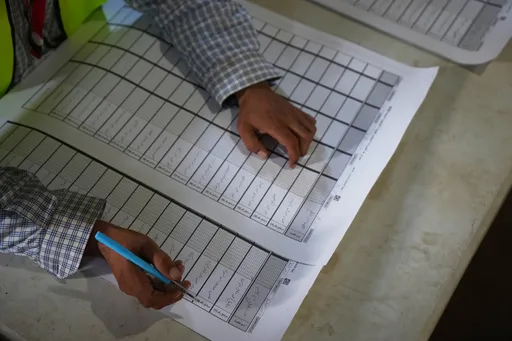
Iraqi politics were thrown into turmoil following October's election, which was marred by record low turnout, post-vote threats and violence, and a months-long delay before the final results were confirmed.
The largest political bloc, led by firebrand Shia cleric Muqtada al Sadr, had backed Zebari for the presidency before moving its support to Ahmed.
The failed votes in parliament have underscored the gulf in Iraqi politics between Sadr, the general election's big winner, and the powerful Coordination Framework, which called the boycotts.
Under a political norm since 2006, a Kurd is elected for Iraq’s presidency, while a Sunni heads the parliament, and a Shia takes the prime minister position.
READ MORE: Iraqi court bars ex-foreign minister Zebari from running for presidency