Zeynep Şahin
Two weeks ago the Pentagon prohibited US marines stationed on Japan's southern island of Okinawa from drinking alcohol after one of them was arrested by Japanese police on suspicion of drunk driving.
The arrest came on June 4, after Aimee Mejia, who was assigned to Kadena airbase in Okinawa, hit two cars and injured two people while driving with a blood alcohol level that was allegedly six times the legal limit.
"For decades we have enjoyed a strong relationship with the people of Japan. It is imperative that each sailor understand how our actions affect that relationship and the US Japan alliance as a whole," Rear Admiral Matthew Carter, commander of US naval forces in Japan, said in a press release on June 6.
The alcohol ban will be effective until "Japanese Naval Forces determine that all US personnel have fully embraced their responsibilities of being a US ambassador at all times," the Pentagon stressed.
Strains in the relationship between the US and the people of Okinawa reemerged in May, when a former US marine confessed to the murder of 20-year-old Rina Shimabukuro on the island.
An island dominated by US military bases
Before World War II, Okinawa was a peaceful island where even the Japan didn't station troops.
In 1944, as the US closed in on the Japanese mainland, the Japanese forces on the island mounted a fierce resistance against Allied forces.
Japan officially surrendered to the Allies in September 1945. It was 27 years before Japan began to administer Okinawa again.
The US took over Japanese military bases and used them to bolster its power during the Cold War.
Military bases located in Okinawa continue to retain their strategic importance thanks to the island's location as "the keystone of the Pacific" close to the Korean Peninsula and South China Sea.






A security treaty between Japan and the US, which was signed in 1972, has allowed the US to continue its military presence in Japan. Under the treaty, the US has the right to hold and use the bases which it seized during its occupation of the country.
The US has approximately 90 military facilities in Japanese territory, 75 percent of which are in Okinawa.
Currently, 18,600 US sailors are based in Okinawa, whose presence many native Okinawans feel puts their safety in jeopardy.
Okinawan resentment
From time to time Okinawans complaining about high crime rates have gathered in the streets to call for the departure of the US military forces from the island.
However, the frequency of protests has noticeably increased since 1995, when a schoolgirl was raped by three US soldiers and a woman was also beaten to death by a US soldier.
According to a report released by the United Nations in 2012 there were a total of 5,705 arrests of US military between 1972 and 2010.
"This number consists of among others, 564 arrests for atrocity, 4 1037 arrests for violence, 5 2859 arrests for theft, 235 arrests for intellectual crimes and 66 arrests for public moral offences," the report says.
Many Okinawans oppose the US military presence in their homeland due to the crimes committed by the country's troops and because they are afraid of accidents hurting or killing civilians living near the bases.
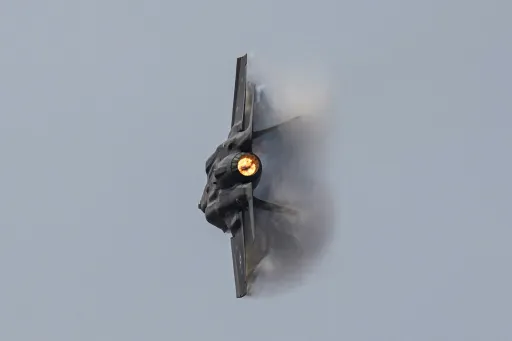
Such accidents involving the US military are daily occurrences in Okinawa. Although no accident has caused a major loss of life so far, houses, schools and hospitals have been damaged several times by aircraft crashes.
More than 1,500 accidents caused by US military personnel were reported between 1972 and 2010, according to the UN.