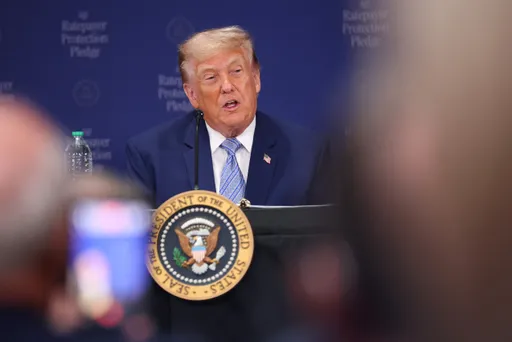
The Trump administration is ending the temporary residencies of 200,000 El Salvadorans who had been living in the US for more than 15 years, following two devastating earthquakes that roiled their home country in 2001.
The Salvadoran migrants will have until September 9, 2019, to leave the country, according to the Department of Homeland Security.
Homeland Security Secretary Kistjen Nielsen made the determination to end their Temporary Protected Status (TPS) based on "conditions on the ground," according to the agency.
"Only Congress can legislate a permanent solution addressing the lack of an enduring lawful immigration status of those currently protected by TPS who have lived and worked in the US for many years," the department said in a statement.
"The 18-month delayed termination will allow Congress time to craft a potential legislative solution," it added.
TRT World'sMary MacCarthy has more from Denver.
Need for legislation
El Salvador's top diplomat says the end of special protections for about 200,000 Salvadoran immigrants in the United States underscores the need for legislation that would let them stay.
Foreign Minister Hugo Martinez says he is confident that the US Congress will develop a permanent fix by September 2019, when Salvadorans will be required to leave the country or face deportation.
The diplomat says his government's efforts to improve conditions in El Salvador will send a signal to US counterparts.



Jean Manes, El Salvador's ambassador to the US, says there is now more urgency to improving conditions in El Salvador, with about 12 percent of its citizens living in the United States.
The country Salvadorans will be returning to has been locked in vicious conflict with street gangs, the most violent of which, MS-13, has been targeted by the Department of Justice for a crackdown on its operations within the US.
Asked if the administration has taken ongoing gang violence in El Salvador into consideration when it decided to end the protections for Salvadorans, a senior administration official told reporters the conditions do not apply – despite the programme including criteria for those seeking refuge from armed conflict and other extraordinary and temporary conditions.
"We don't apply the general circumstance to that," he said, referring to gang violence.
Salvadorans are not first victims
Salvadorans are the largest group to be affected by the determination to end their protections, but they are not the first.
Approximately 60,000 Haitians lost protections in November that were granted after a 2010 earthquake.
The removal of the temporary protections is part of a larger trend within the Donald Trump administration to overhaul the US' immigration practices.
Trump previously moved to end the Deferred Action for Childhood Arrivals (DACA) program, a Barack Obama-era policy that shielded from deportation children brought to the country illegally by their parents.
As with TPS, Trump punted the future of those affected to Congress. Lawmakers have until March to come up with a legislative fix for the nearly 790,000 "Dreamers." They face deportation without congressional action.
Asked what should happen to the children of TPS recipients who were born in the US, and thus have US citizenship, after their parents' protections run out, the administration official who briefed reporters said, "We're not getting involved in individual family decisions."