A new report presents evidence that the SDF was rife with internal clashes before Turkey's Operation Olive Branch, and the number of fighters the YPG has might be lower than the YPG claimed.
Internal clashes within the PKK-backed SDF group are being managed by the YPG, but “[for the US] it still poses a risk for the future,” the author of a new report by the Omran Center for Strategic Studies Bedir Mulla Rashid told TRT World.
The timely report comes during Turkey’s Operation Olive Branch, launched on January 20, to clear Syria's Afrin region of the YPG/PKK, after months of warnings on the issue.
The report outlines the administrative, legal and executive structures of the YPG’s self-declared "Autonomous Administration" in Syria in comprehensive detail, based on PYD and YPG sources, which are Syrian affiliates of the PKK.
“Normally if you write about the PYD/YPG, you're accused of not being neutral, especially if you’re using sources from the ground. But this time, all this information is from the YPG’s own sources, and all of them are stated in the report,” Rashid said.
Key findings from the report can be found here:
1. The YPG’s self-declared Afrin canton underwent military exercises in preparation for battle with Turkey
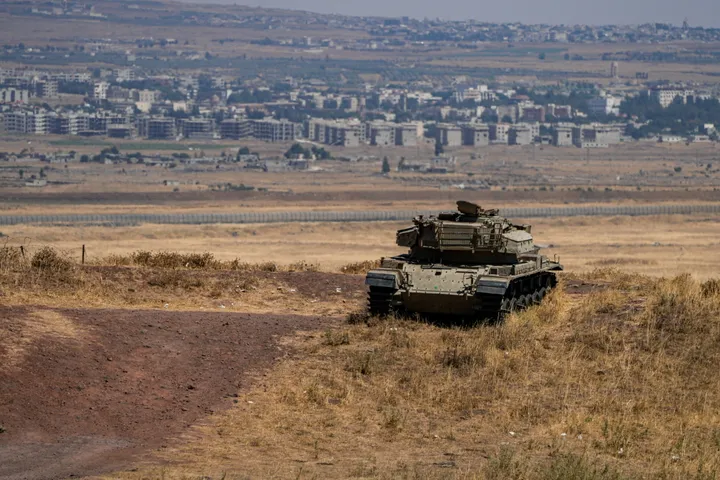
The report suggests that the YPG’s self-declared Afrin canton underwent more military trainings than any other canton. Located along Syria’s northern border with Turkey, Afrin is where the YPG set up the first military training camps after the group’s formation was announced on July 19, 2012. The PKK is designated as a terrorist group by Turkey, the European Union and the US. In a bid to secure its borders, Ankara recently launched an operation in the area.
2. The US signalled its plan to establish a new force on the border, well in advance of Turkey’s operation
The self-declared Autonomous Administration began to reform and restructure its military units at the beginning of 2017, the report says. This was done in co-ordination with the international coalition and with American support for the Syrian Democratic Forces (SDF).
For Rashid, it signalled the US’ plans to create a brand new army along Syria’s border with Turkey and Iraq. Indeed, the US-led coalition stated on January 14 that it was getting ready to set up a new border force of 30,000 personnel, in a move that angered Turkey.
3. Military service in the cantons was extended and recruitment conscripted local recruits
Rashid told TRT World that the duration of mandatory service in Afrin was extended three times, bringing the total duration of mandatory service to 18 months, from its original period of nine months.
4. Recruits forced into service
Special forces were recruited and trained from among the conscripted locals, and the extensions were justified based on a possible military attack from Turkey against YPG forces, said Rashid.
“The self-declared Autonomous Administration took these steps to elevate specific recruits into leadership roles in times of emergency, “ the report notes. “These recruits are portrayed as volunteers, but this is not actually the case; these individuals are forced into service.”
5. Internal clashes within the SDF were rife
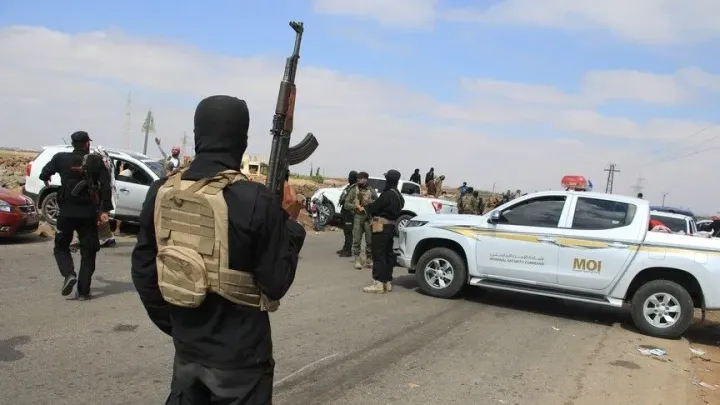
Rashid said that the groups gathered under the SDF had internal problems due to differences in their founding natures. The formation of a new army was intended to end this problem.
“Internal fights in the SDF were handled by the YPG, because it is the strongest group under the SDF. But [for the US] it still poses a risk for the future,” he said. “These internal clashes get intense, especially when they start to get the upper hand of Daesh in an area.”
6. The number of the group’s actual fighters may be far lower than estimated
“The YPG’s leadership avoids disclosing accurate information about the group’s actual numbers,” the report says, citing that the given numbers were possibly an exaggeration. The YPG’s media office says that the forces comprise some 50,000 fighters, including 15,000 females. But the report suggests the real number is probably closer to 20,000 to 30,000 fighters.
7. PKK links to the PYD/YPG
The organisation merged into a united structure comprised of military groups loyal to the PYD and its military wings, the female YPJ militia and the all-male YPG militia. They depend upon the PKK for their training and military planning, the report says.
Small units were formed in 2004 in villages, and were not part of any official PYD military apparatus until the recent Syrian revolution. The party’s military activities were directly aligned with the PKK, especially on issues such as recruitment.
The report also states that besides military connections, the group also shares the ideologies of the PKK.