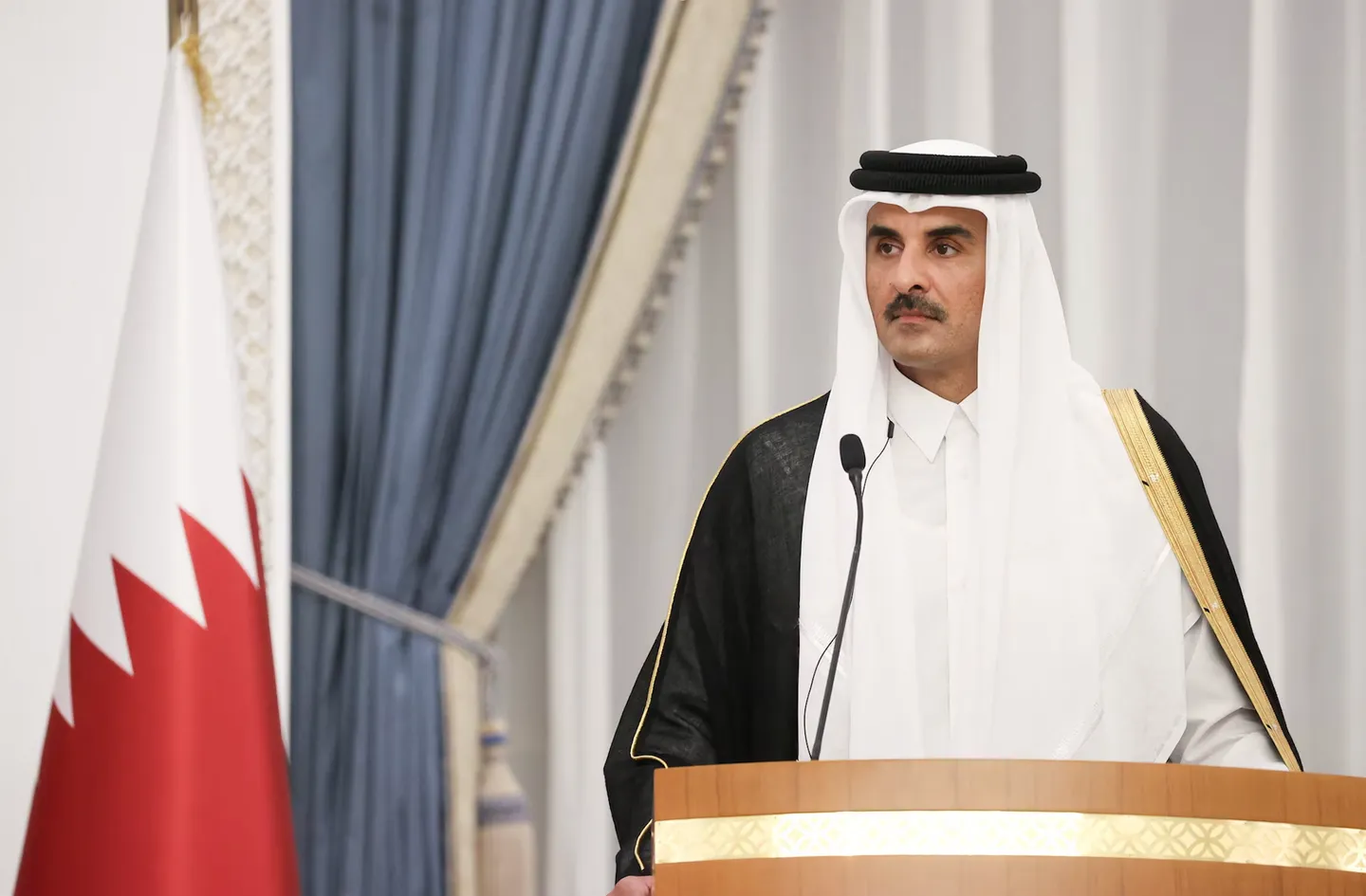
Qatar’s government revenues fell 42 percent in the first half of 2026 as the US-Israel war on Iran disrupted gas exports and damaged key energy infrastructure, Emir Sheikh Tamim bin Hamad Al Thani has said.
Addressing the annual session of the Shura Council in Doha on Tuesday, the emir said the closure of the Strait of Hormuz and damage to energy facilities in Ras Laffan Industrial City had disrupted a significant share of the country’s exports.
“It is only natural that the crisis would have a negative impact on public finances, as the total revenues declined by 42 percent during the first half of the year,” he said.
Qatar, the world’s second-largest liquefied natural gas (LNG) exporter after the United States, has been among the Gulf countries hardest hit by the conflict.
Iranian strikes badly damaged the Ras Laffan site, while restrictions on shipping through the Strait of Hormuz — the sole maritime route for Qatar’s LNG shipments — have further constrained exports.
North Field expansion continues despite disruption
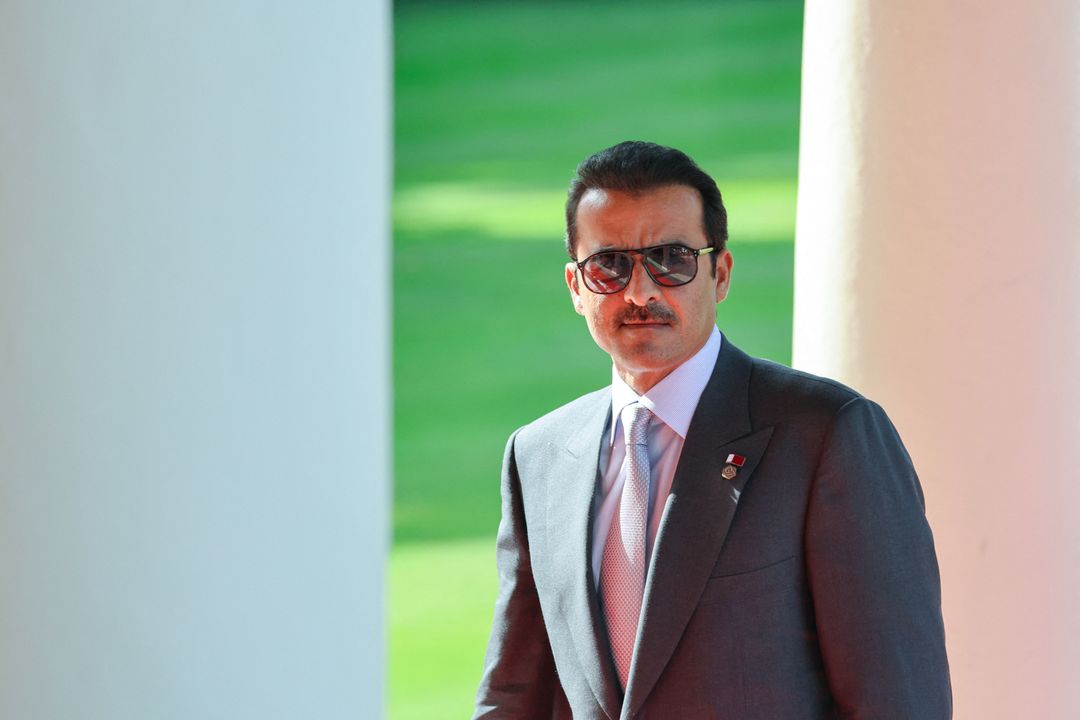
Despite the setbacks, Qatar’s long-term plans to expand its gas production capacity remain on schedule, the emir said.
“Work on the expansion of the North Field Gas project is progressing according to the set plans,” Sheikh Tamim told the council.

The expansion of North Field, the world’s largest natural gas field, aims to raise Qatar’s total production capacity to 142 million tonnes of LNG annually by 2030. The field extends beneath the Gulf into Iranian territory.
The emir also reported significant progress on the Golden Pass LNG project in the United States, which Qatar is developing in partnership with ExxonMobil.
The projects are central to Qatar’s strategy to strengthen its position in global gas markets despite the immediate impact of the conflict on exports and public finances.
IMF forecasts sharp contraction in Qatar’s economy
The economic outlook remains challenging. On Tuesday, the International Monetary Fund forecast that Qatar’s gross domestic product would contract by 15.6 percent this year in its latest global economic report.
The revenue decline highlights the vulnerability of Qatar’s public finances to disruptions in energy production and exports, which underpin the country’s economy.
While the continuation of major expansion projects offers a longer-term prospect for growth, the pace of recovery will depend in part on the security of energy infrastructure and the reopening of shipping routes through the Strait of Hormuz.