 Noureldein Ghanem
UN experts have painted a grim picture of the situation in Mali, alleging that molestation and other rights abuses are being used to spread terror, as the retreat of UN peacekeepers has raised fears of intensified civilian suffering.
"Violence against women and girls and conflict-related sexual abuse remains prevalent in Mali," the experts, named by the UN Security Council to monitor the application of sanctions, said in a report released on Friday.
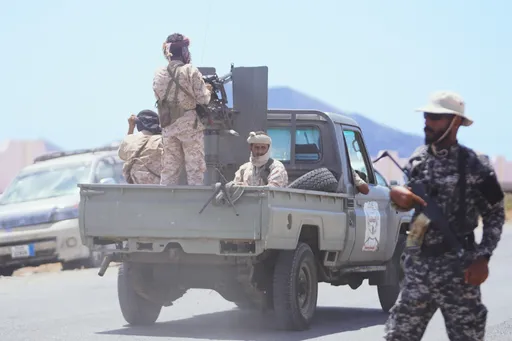
While the experts put the blame on most of the parties to the long-simmering conflict in the West African nation, Mali's armed forces and their "foreign security partners" – presumed to be Wagner group mercenaries – come in for particular scrutiny.
"The persistence of the perpetration of these acts may indicate that violence against women allegedly committed by the Malian Armed Forces and their foreign and local allies is systematic and organised," the report says.
"The panel believes that violence against women, and other forms of grave abuses of human rights and international humanitarian law are being used, specifically by the foreign security partners, to spread terror among populations."
The experts have expressed general concern about the deterioration of the situation in the troubled Sahel state, which underwent a military takeover in August 2020, followed by a second in May 2021.
A peace deal signed in 2015 – the so-called Algiers agreement between the government and the Coordination of Azawad Movements (CMA), an alliance of Tuareg-dominated independence and autonomist groups – is hanging by a thread.
UN experts say that should the deal collapse, terror groups could "re-enact (the) 2012 scenario," referring to the outbreak of militants and separatist insurgencies in the north that claimed thousands of lives.
"There are also signatory armed groups that have simply forfeited their obligations by publicly declaring that they are no longer able to protect their communities," the experts said in their report.
They say other groups, including CMA, have "abandoned certain positions to focus on key strategic geographical areas with their limited numbers of remaining loyal combatants."
'Final blow'
With signatories to the peace deal weakened, the UN experts believe, terror groups are seeking to capitalise.
"In less than a year, Islamic State (Daesh) in the Greater Sahara has almost doubled its areas of control in Mali," the report says.
Under pressure from Mali's ruling junta, the UN Security Council has moved to end a decade-long peacekeeping mission in the country by year's end, but experts say that move could "further undermine" the precarious peace accord.
With armed groups preparing to face perceived threats from Mali's military, the experts warn, more serious incidents could occur that would "deal a final blow to the agreement."
In a letter sent to the Security Council, seen by AFP news agency this week, UN Secretary-General Antonio Guterres voiced his concerns about the safety of civilians in Mali, the protection of human rights and the delivery of humanitarian aid given the withdrawal of peacekeepers.
"While we will ensure that all is done to safeguard a smooth transfer of tasks, the capacities of the United Nations to deliver humanitarian aid and support the protection of civilians or human rights will inevitably be severely impacted," he wrote.