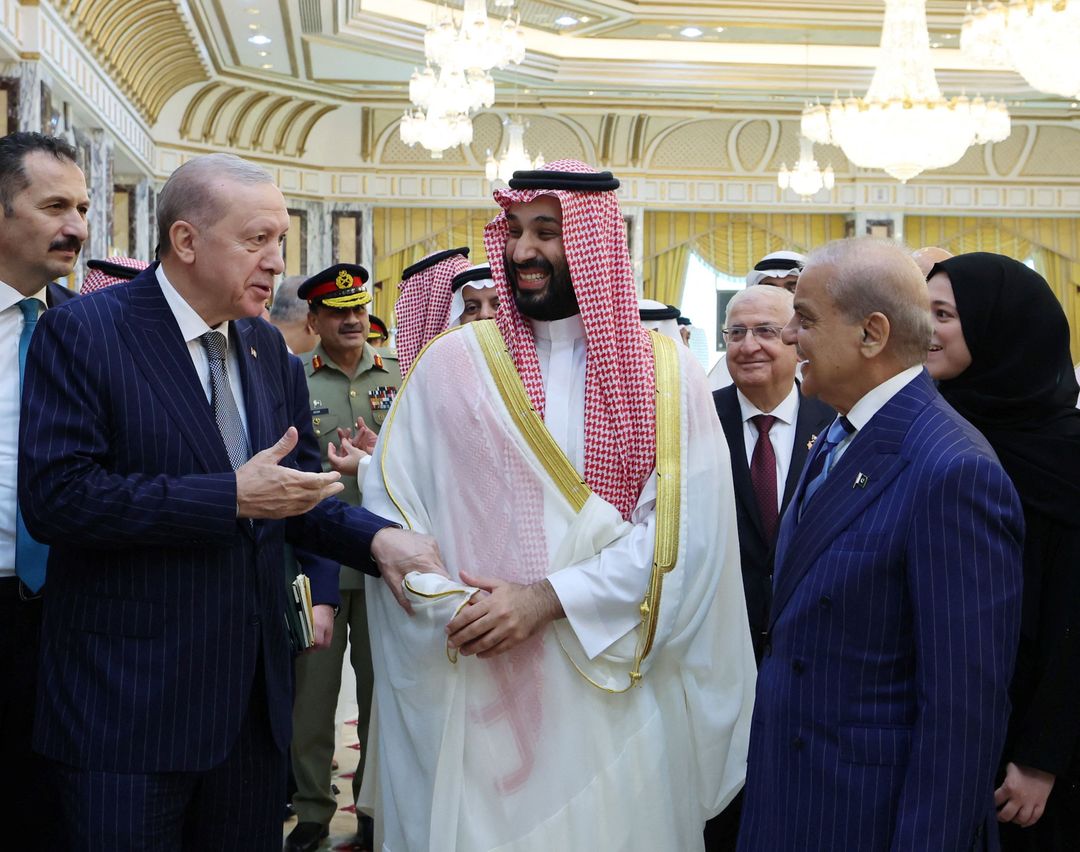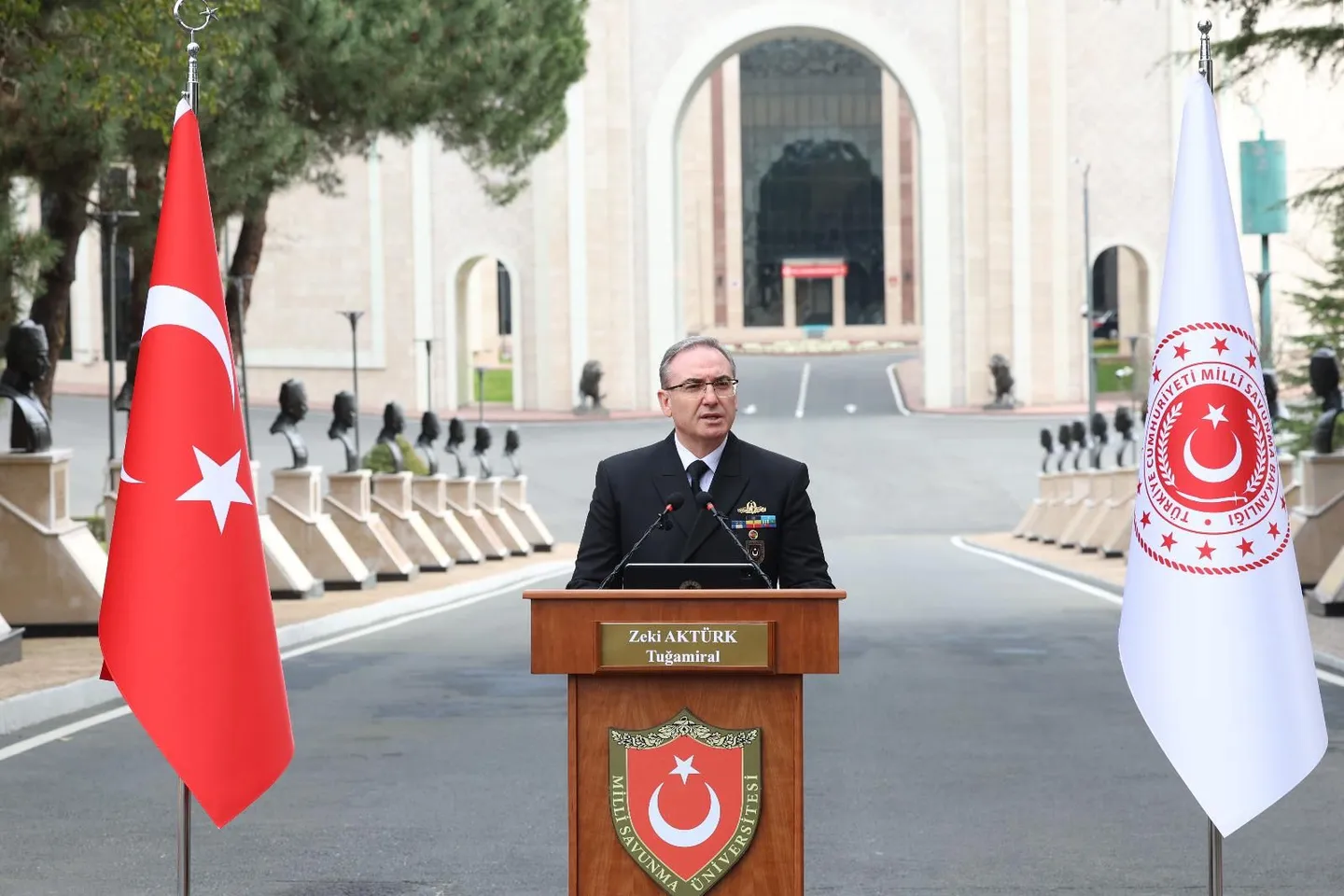
The Türkiye-Pakistan-Saudi Arabia defence pact aims to boost joint military capabilities and does not identify any country as a common enemy or adversary, the Turkish Ministry of National Defence said on Thursday.
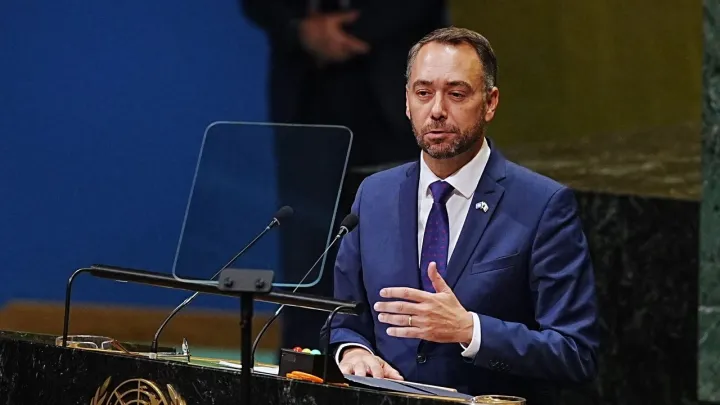
Speaking at the ministry's weekly press briefing, spokesperson Rear Admiral Zeki Akturk said the Turkish Armed Forces, which successfully serve in numerous regions as part of bilateral cooperation, regional initiatives and multinational missions, continue to play a leading role in promoting regional and global peace.
Pointing to the Mecca Joint Defence Agreement signed on August 7, Akturk said the agreement aims to place the existing friendly and fraternal relations among the three countries on a more institutionalised and sustainable footing in the fields of defence and security.
He said the agreement's main objectives are to contribute to regional security and stability, enhance military cooperation among the three countries and strengthen their ability to act jointly in potential crises.
"The agreement in question is defensive in nature and does not identify any country as a common enemy or adversary," he said.
Akturk said the agreement envisages establishing strategic political and military mechanisms involving defence ministers, foreign ministers, chiefs of general staff and armed forces commanders to ensure coordination among the three countries at the highest level.
The spokesperson said military cooperation is planned to be developed gradually under the agreement.
"In this context, the aim is to begin with command-post and field exercises and, at later stages, conduct joint exercises involving land, naval, air, air defence and unmanned systems," he said.
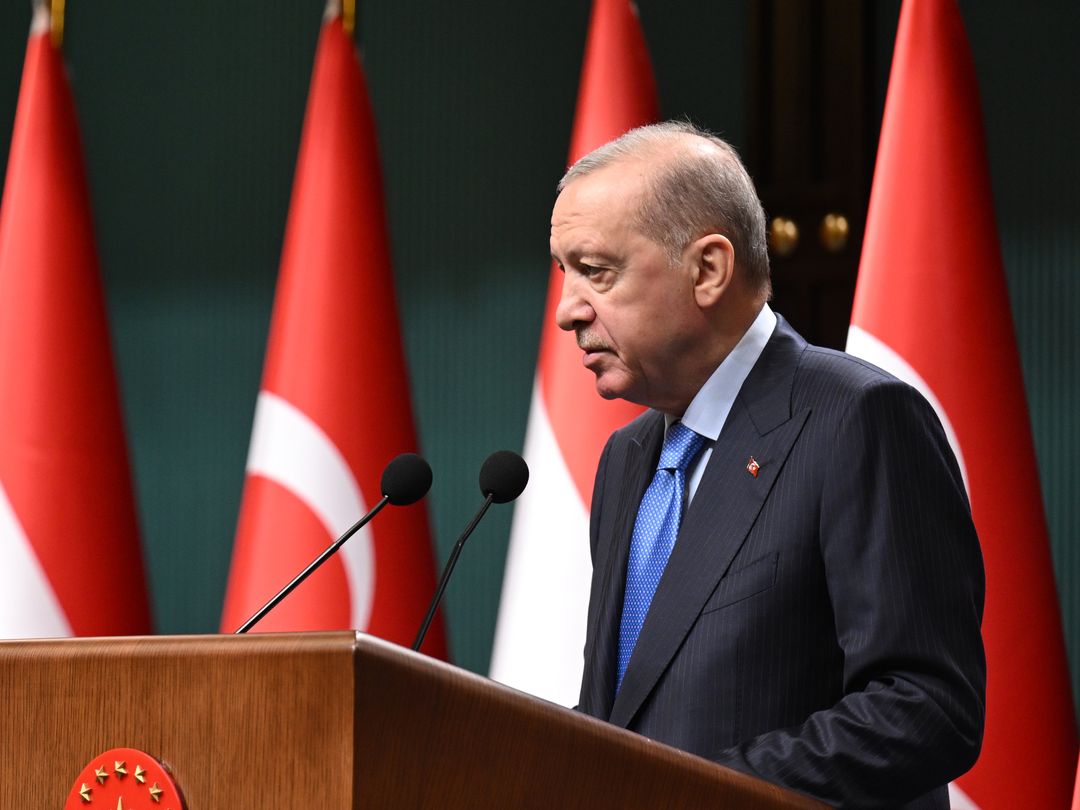
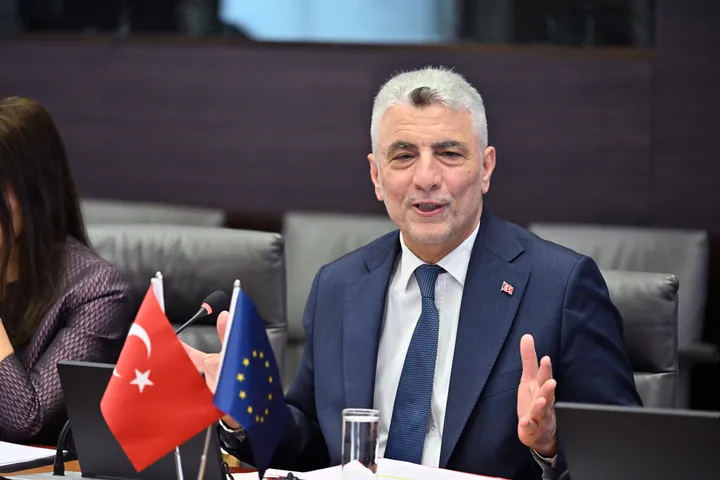
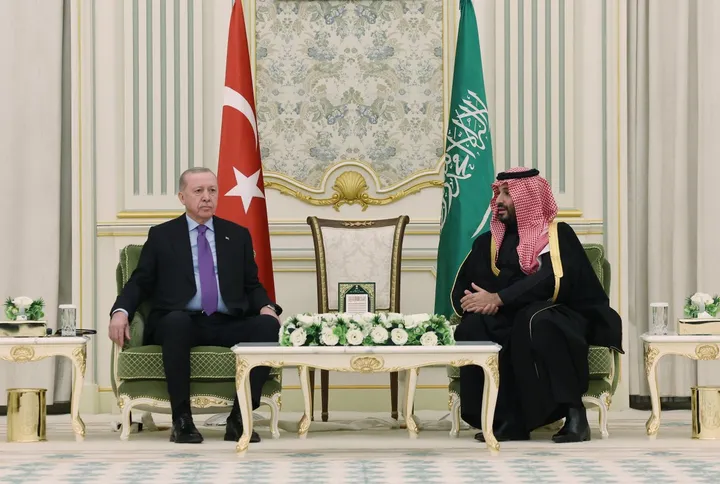



Joint tech cooperation
Zeki Akturk also underlined that the exercises are intended to identify needs and shortcomings ahead of potential crises, incorporate lessons learned into doctrine, training and planning processes and continuously improve joint operational capabilities.
Noting that defence industry cooperation is an important element of the agreement, the spokesperson said: "In this context, the aim is not only to procure products and systems but also to ensure joint development and production, technology cooperation and sustainable maintenance and logistics support."
He stressed that unmanned and autonomous systems, electronic warfare and artificial intelligence-supported capabilities are among the priority areas of cooperation.
"The Mecca Joint Defence Agreement is not an alternative or rival to NATO but is considered a mechanism that complements the international security architecture by contributing to regional security and stability," he explained.
Akturk said that as the mechanism matures, other countries' participation may be considered if the necessary consensus is reached, with the ultimate goal of establishing an institutional mechanism that functions effectively in peacetime, is prepared for potential crises and can provide concrete military support when needed.
"We believe this cooperation will make a significant contribution not only to the security of our countries but also to regional peace, stability and deterrence."