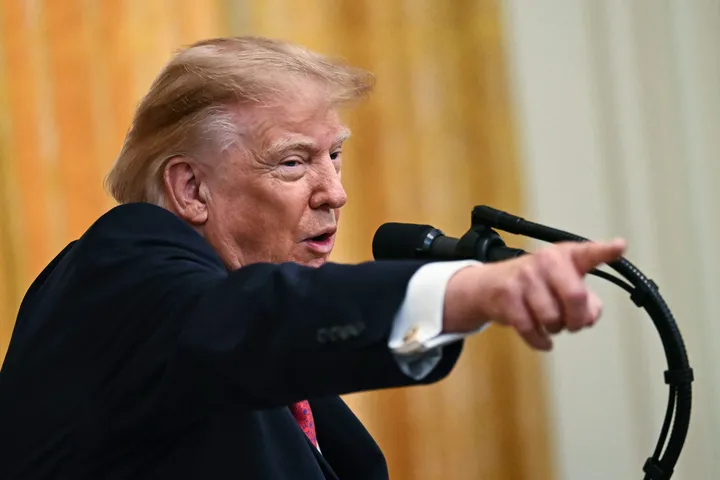
On Wednesday, US President Donald Trump warned that "over the next two to three weeks, we are going to bring them [Iran] back to the Stone Ages, where they belong".
Throughout modern history, the United States has repeatedly signalled its military might with this dramatic phrase.
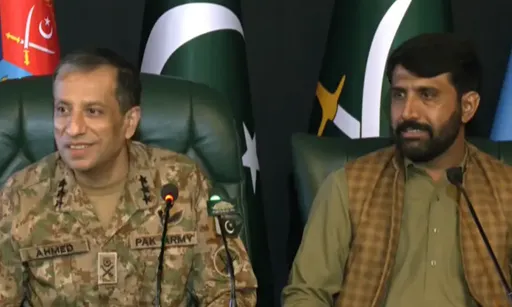
From Vietnam to Afghanistan, Pakistan to Iran, such statements reveal a pattern of audacious power projection. History shows that such threats often come with consequences like costly wars and mounting public anger to regional instability and persistent resistance.
Here's a list tracing the most notorious instances of this rhetoric and what followed then.
Vietnam War, the origin of the phrase
The notorious “Stone Age” rhetoric can be traced back to the Vietnam War era. High-ranking military officials, including General Curtis LeMay, a powerful US Air Force general during World War II and the Cold War, advocated massive strategic bombing campaigns, including in Japan and Vietnam.
What followed these threats?
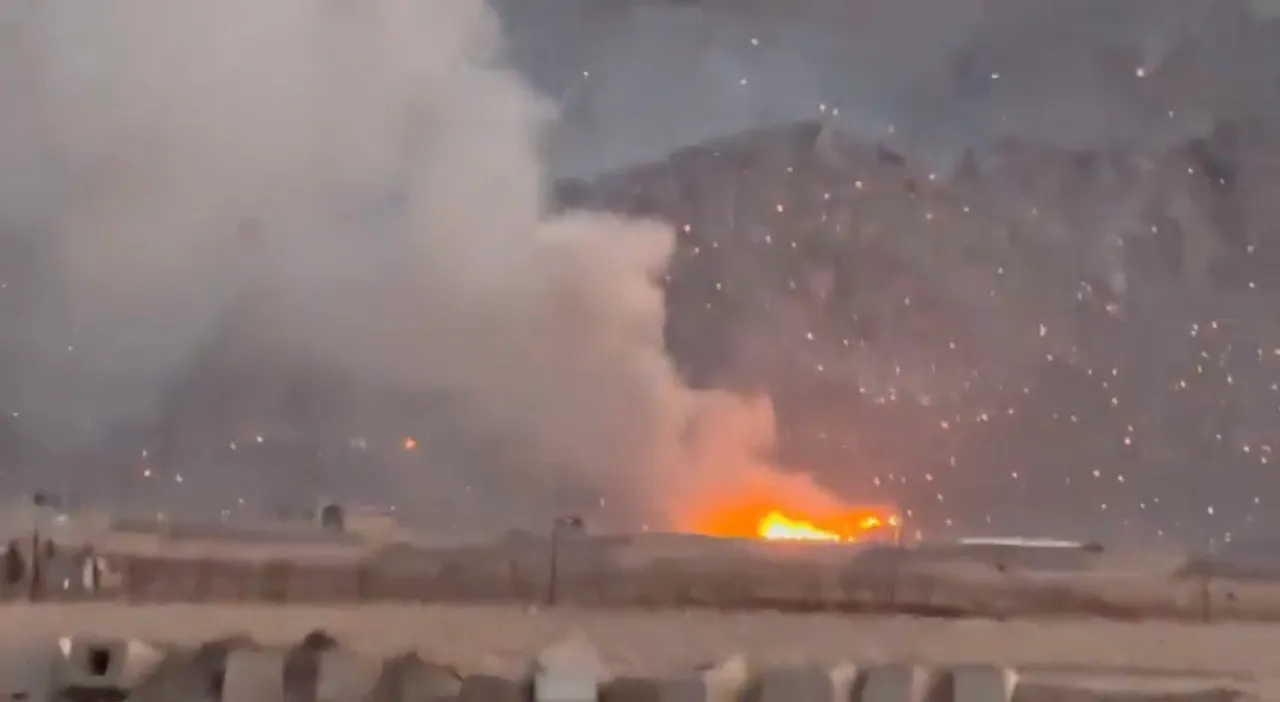
The US dropped over 7.5 million tonnes of bombs on Vietnam, Laos, and Cambodia — the largest aerial bombardment in history.
There were massive civilian casualties and destruction of infrastructure, rising popular anger in the US, sparking protests and anti-war movements across the country.
A New Yorker analysis notes that despite extensive bombing and military effort, the US mission “proved to be catastrophic” and failed to achieve lasting success.
A Guardian analysis explains that the Vietnam War initially had support but public opinion turned after years of casualties, costs and sustained protest movements.
Ultimately, the US withdrew from Vietnam, leaving behind political and military scars that still influence American foreign policy discussions today.
Gulf War 1991
During the lead-up to the Gulf War, the United States issued one of its starkest warnings.
Then Secretary of State James Baker cautioned Iraq that if it used chemical weapons, the US response would “reduce Iraq to a pre-industrial state”.
The war that followed saw a massive US-led air offensive that devastated Iraq’s infrastructure, including power grids and industrial capacity.



Afghanistan, Pakistan and the post-9/11 campaign
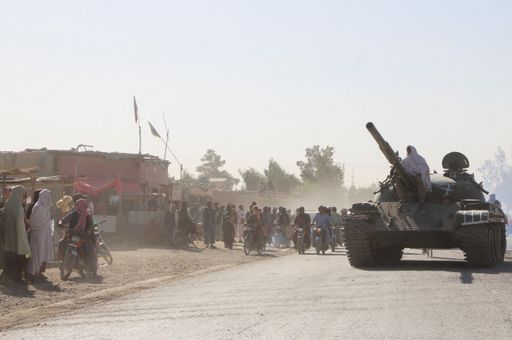
After the September 11 attacks in 2001, the US launched an extensive bombing campaign in Afghanistan. While Pakistan collaborated with Washington, and the Taliban were initially pushed out, the aftermath was far from neat.
Washington exerted intense pressure on Pakistan to support its so-called “War on Terror”.
According to former Pakistani president Pervez Musharraf, a senior US official warned that Pakistan could be “bombed back to the Stone Age” if it failed to cooperate — a claim widely reported at the time, though later denied by then US Deputy Secretary of State Richard Armitage.
Within a few years, Taliban and associated groups resumed attacks, operating from Pakistani territory.
The US faced enormous economic losses, with trillions spent on prolonged military operations and reconstruction efforts.
Despite “successes” in toppling the Taliban regime, the American public grew weary, fuelling criticism and questioning the sustainability of such interventions. Ultimately, after nearly 20 years of war, US forces withdrew following a peace deal with the US — and the Taliban returned to power in 2021 .
At the time, media commentary often invoked the idea of “bombing Afghanistan back to the Stone Age” — a phrase used not by policymakers, but by critics to capture the scale and consequences of the US campaign.
Trump vs Iran
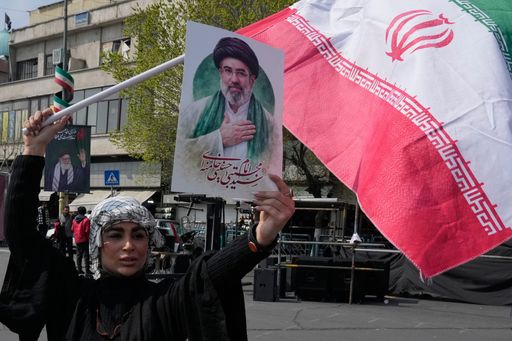
The latest in a long line of these fiery threats came from Trump when he warned Iran it could be sent “back to the Stone Ages” if it didn’t comply with US demands.
Trump’s address came as Britain was set to host a meeting on Thursday with about 35 countries on how to reopen the strategic Strait of Hormuz that Iran has effectively blocked without a deal to end the war.
In a speech from the White House, Trump sought to reassure war-weary Americans that the military campaign that began on February 28 was coming to an end, vowing "extremely hard" strikes against Iran.
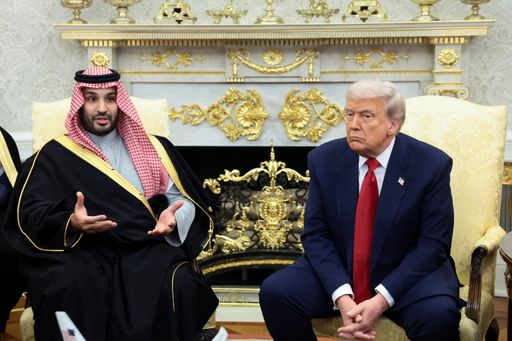
The war's "core strategic objectives are nearing completion", he said,
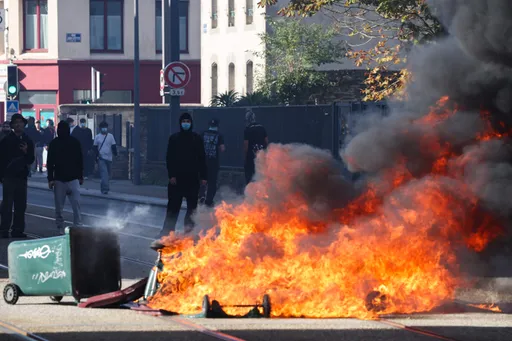
Across Europe, political leaders and citizens alike have pushed back against the escalation, with several countries refusing US access to bases and airspace and insisting “this is not our war.”
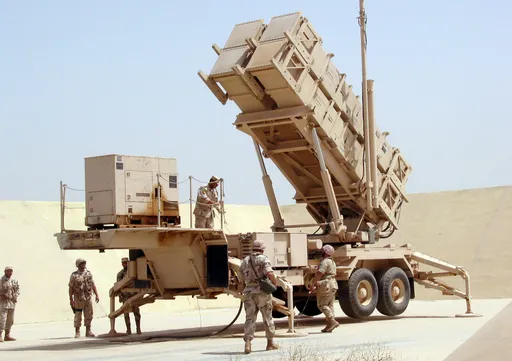
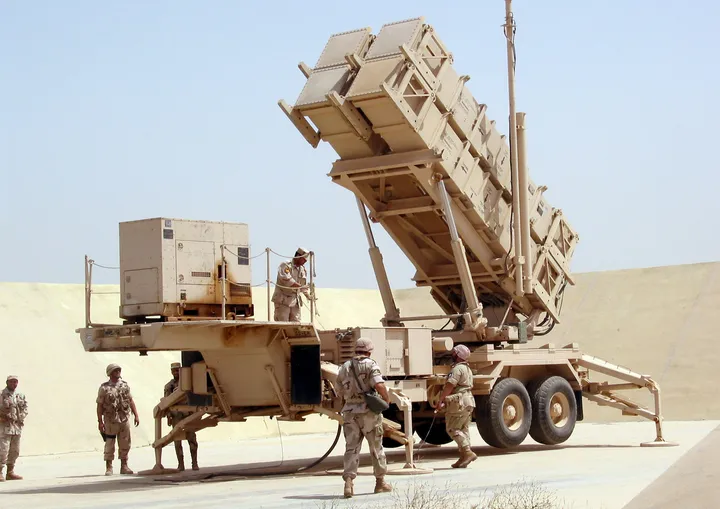
Meanwhile, Iran continues to launch missiles, keeping both US and Israeli defence systems scrambling to intercept them.