 Baba Umar
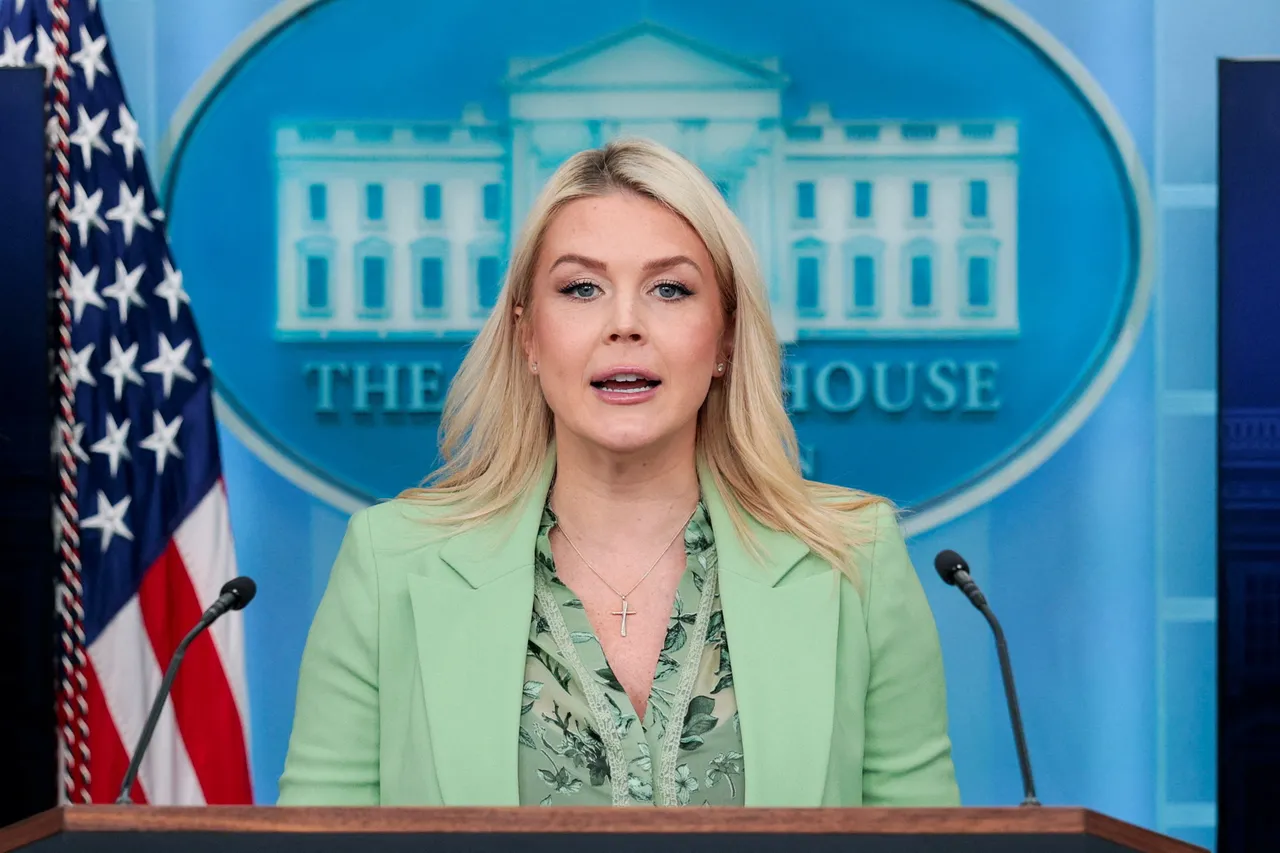
Washington DC — Pakistan’s intense diplomatic push to help end the conflict between the US and Iran has received a further boost when White House Press Secretary Karoline Leavitt acknowledged Pakistan’s role in ongoing US-Iran negotiations, stating that Islamabad is the "only mediator" in these discussions.
Speaking at a White House press briefing, Leavitt indicated that the second round of US-Iran talks is expected to take place in Islamabad, but she did not announce a final date or who will be leading those talks from the American side.
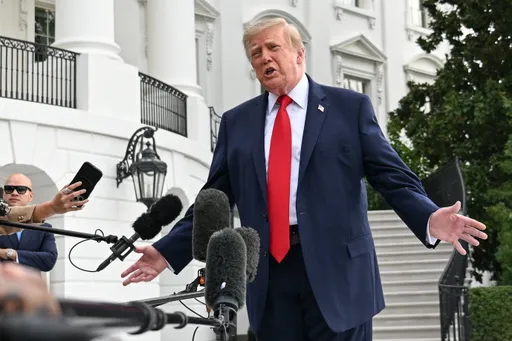
"I just want to make one point that’s important to the President (Trump). The Pakistanis have been incredible mediators throughout this process and we really appreciate their friendship and their efforts to bring this deal to a close," Leavitt said.
"So they are the only mediator in this negotiation while there have been many countries around the world who want to offer their help."
Leavitt emphasised President Trump believes it's key to streamline communication via Pakistan only.
"President feels it’s important to continue to streamline this communication through the Pakistanis and so that’s what continues to take place," she told reporters.
She refuted reports of a US-requested truce extension in the Iran war, noting ongoing, productive talks for a second round with Iranian officials.
"I've also seen some reporting about the potentiality for in-person discussions. Again, those discussions are being had, but nothing is official until you hear it from us here at the White House, but we feel good about the prospects of a deal," Leavitt said.
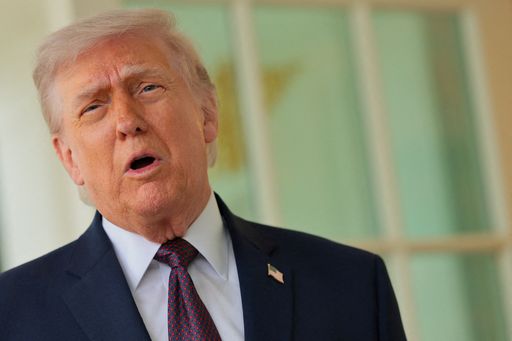
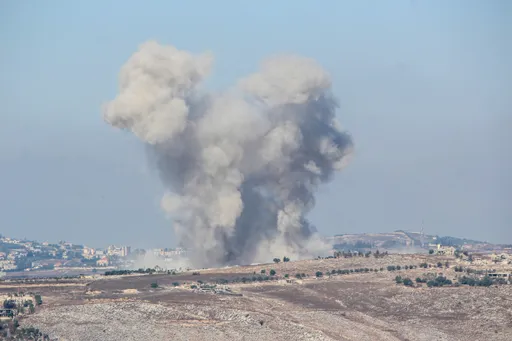
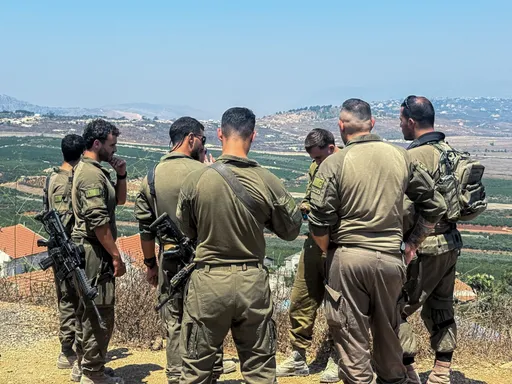
Tensions rose when the US and Israel initiated joint war against Iran on February 28, resulting in numerous casualties, including then Supreme Leader Ali Khamenei.
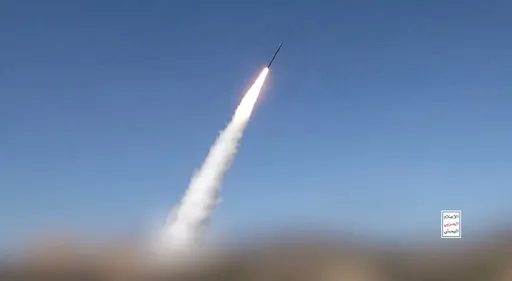
Iran launched drone and missile strikes against Israel, Jordan, Iraq and Gulf states, impacting infrastructure and markets.
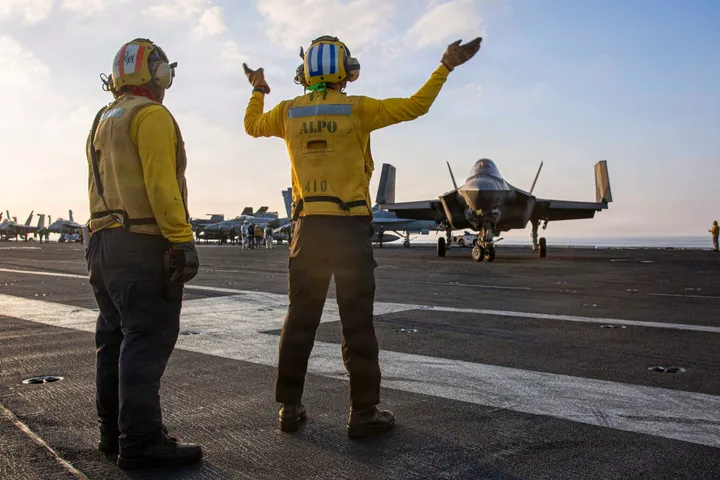
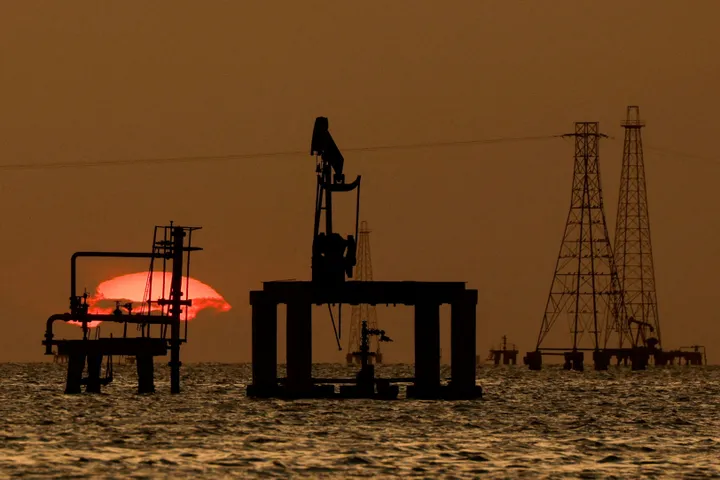
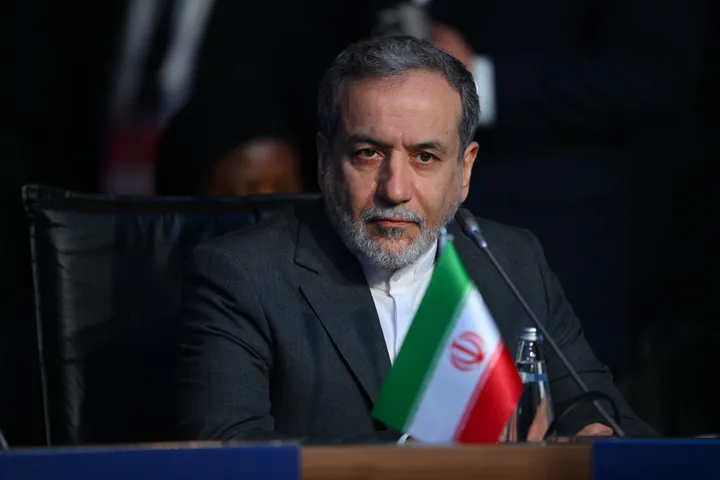
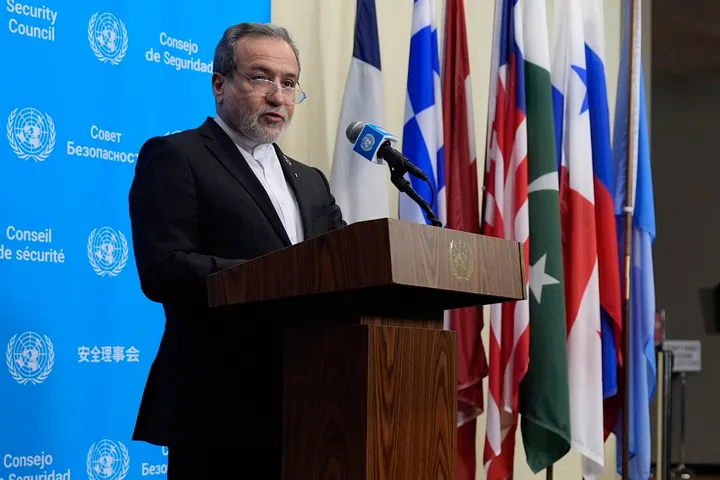


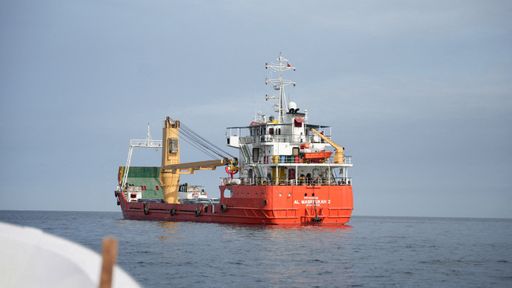
It has also managed to close the crucial Strait of Hormuz. The US has implemented its own naval blockade on vessels in the waterway transporting energy from Iranian ports.
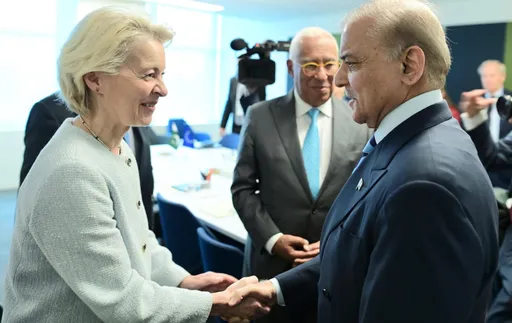
Islamabad has been coordinating with regional powerhouses including Turkiye, Egypt, and Saudi Arabia in an effort to move negotiations toward a permanent solution.
Türkiye, a neighbour of Iran, has repeatedly called for an end to the war that it says is unjustified.
Turkish President Tayyip Erdogan said on Wednesday that Ankara was working to extend a ceasefire between the US and Iran, ease tensions, and ensure the continuation of talks, and added Ankara was hopeful of negotiations despite stumbling blocks.
Foreign ministers from Türkiye, Pakistan, Saudi Arabia, and Egypt are expected to meet on the margins of a diplomacy forum in the southern Turkish province of Antalya at the weekend.
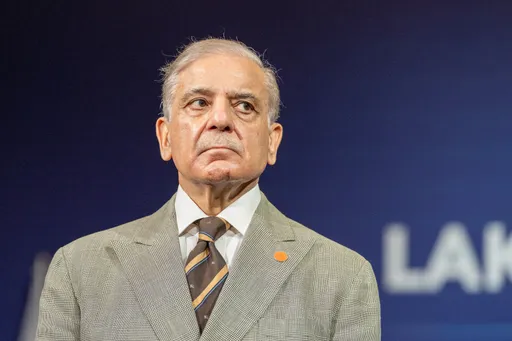
Prime Minister Shehbaz Sharif of Pakistan, currently on a tour of Riyadh, Doha, and Ankara, is scheduled to attend.
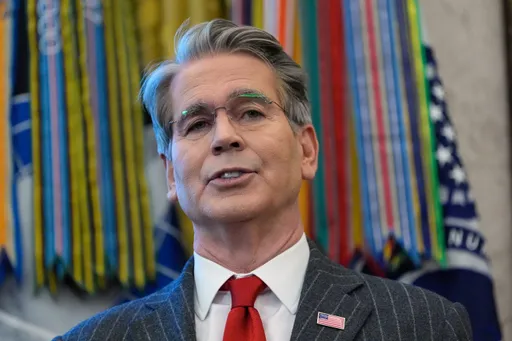
Meanwhile, Treasury Secretary Scott Bessent, who also spoke about Iran war, during the White House press briefing alongside Leavitt, said he has been meeting with Middle East counterparts about energy crisis and he expects ordinary Americans to see gas prices drop to $3 per gallon in summer.
"I'm optimistic that during the summer we will see gas with a three in front of it, sooner rather than later," he told reporters.
He warned that the US would intensify economic pressure on Iran, likening the measures to a "financial equivalent" of a bombing campaign.
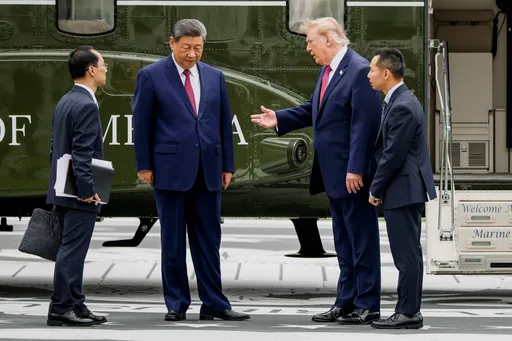
Bessent noted a "pause of Chinese buying" of Iranian oil due to the US blockade. Chinese banks were cautioned about secondary sanctions for Iran transactions, he added.