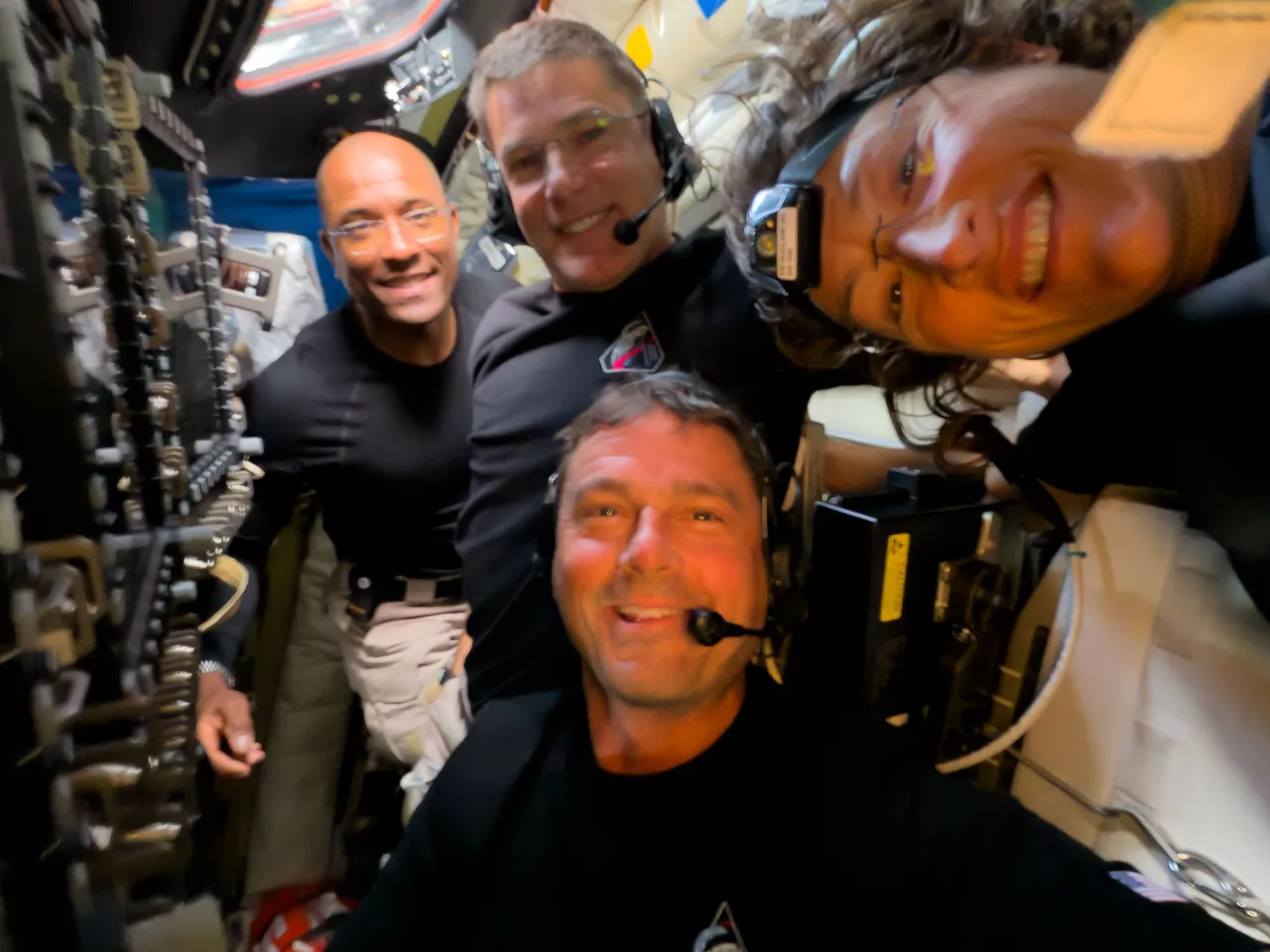
Artemis II astronauts have been heading back towards Earth and sharing details of their lunar flyby, offering colleagues insights into their historic journey.
Among the highlights is a striking image of an "Earthset," showing the planet dropping below the Moon's rugged horizon — a deliberate nod to the iconic Earthrise photograph taken during the Apollo 8 mission in 1968.
The modern image, released by NASA and the White House, pairs Earth with the stark curve of the lunar surface against the backdrop of deep space.
The crew have been briefing lunar scientists at mission control in Houston on what they observed during their nearly seven-hour study of the Moon.
"Our whole lunar science team and the broader science community have been pouring out positive feedback and gratitude, so know that what you did yesterday really made a difference scientifically," lunar science lead Kelsey Young told the astronauts.
Young later said, "spirits are very high," adding: "We did what we set out to do."
Historic journey
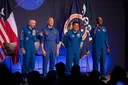
The four-member crew — Reid Wiseman, Christina Koch, Victor Glover and Canadian astronaut Jeremy Hansen — travelled around the Moon as part of a broader programme aimed at enabling a landing as early as 2028.




After completing the flyby, during which they also broke the record for distance from Earth, they began their return journey, with splashdown expected in the Pacific Ocean off the California coast on Friday.
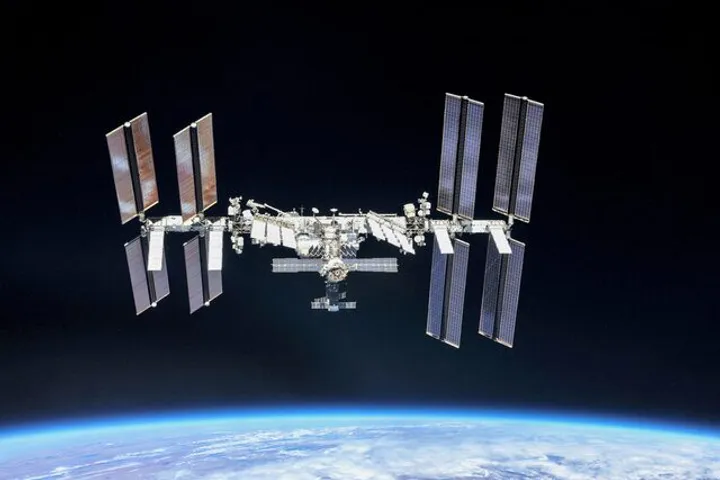
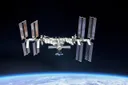
They also spoke with colleagues aboard the International Space Station.
The astronauts have described the Moon's surface in detail and reported witnessing a solar eclipse as the Moon passed in front of the Sun.
They also observed flashes of light believed to be meteor strikes.
Young said there were "audible screams of delight" in NASA's Science Evaluation Room as the crew shared their observations.
The Artemis II mission has surpassed the distance record set by Apollo 13 in 1970, travelling more than 4,000 miles (over 6,000 kilometres) further, reaching 252,756 miles (406,771 kilometres) from Earth.
Glover has become the first person of colour to fly around the Moon, Koch the first woman, and Hansen the first non-American.
The Orion capsule is returning on a free-return trajectory, while a recovery vessel is heading towards the splashdown site.