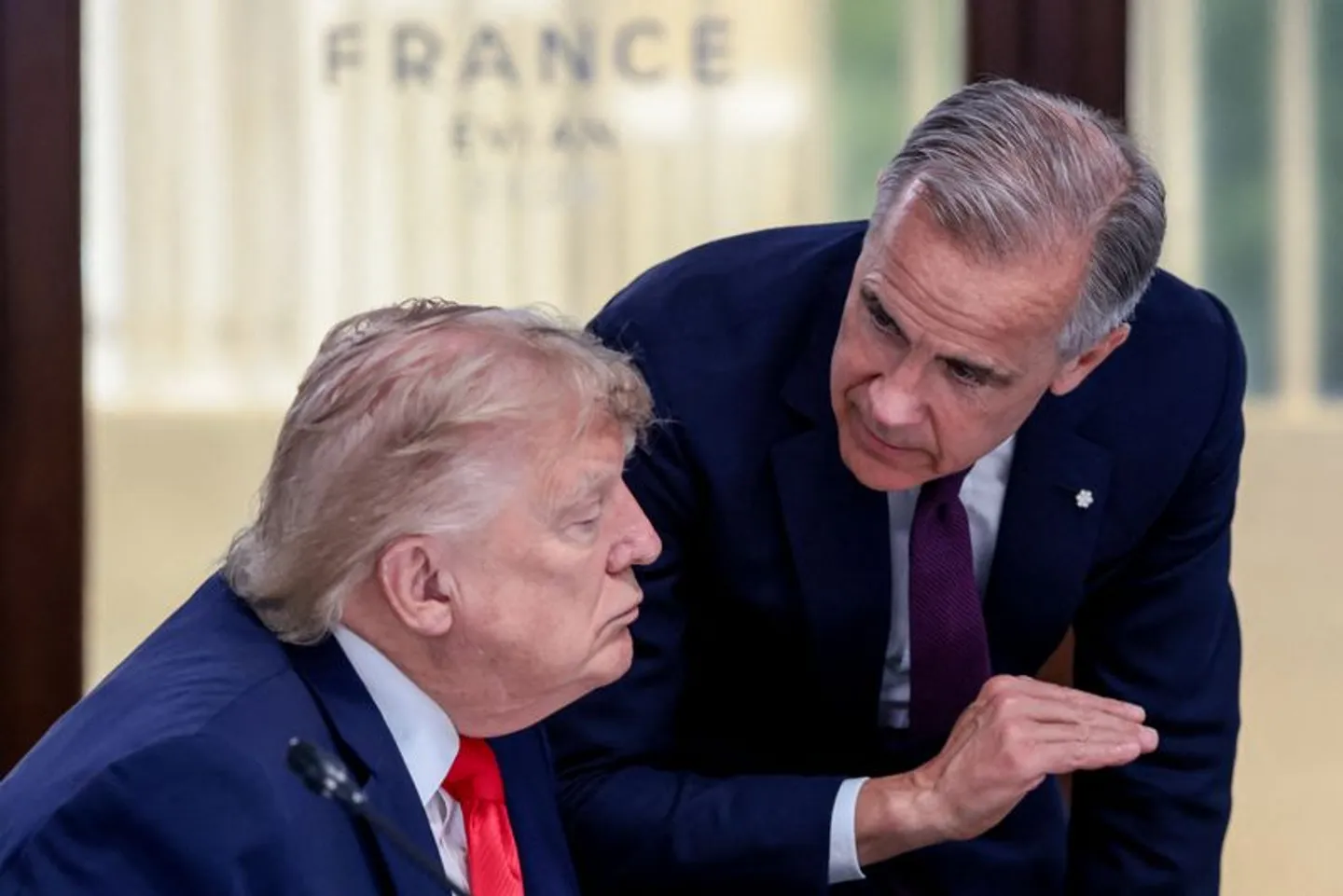
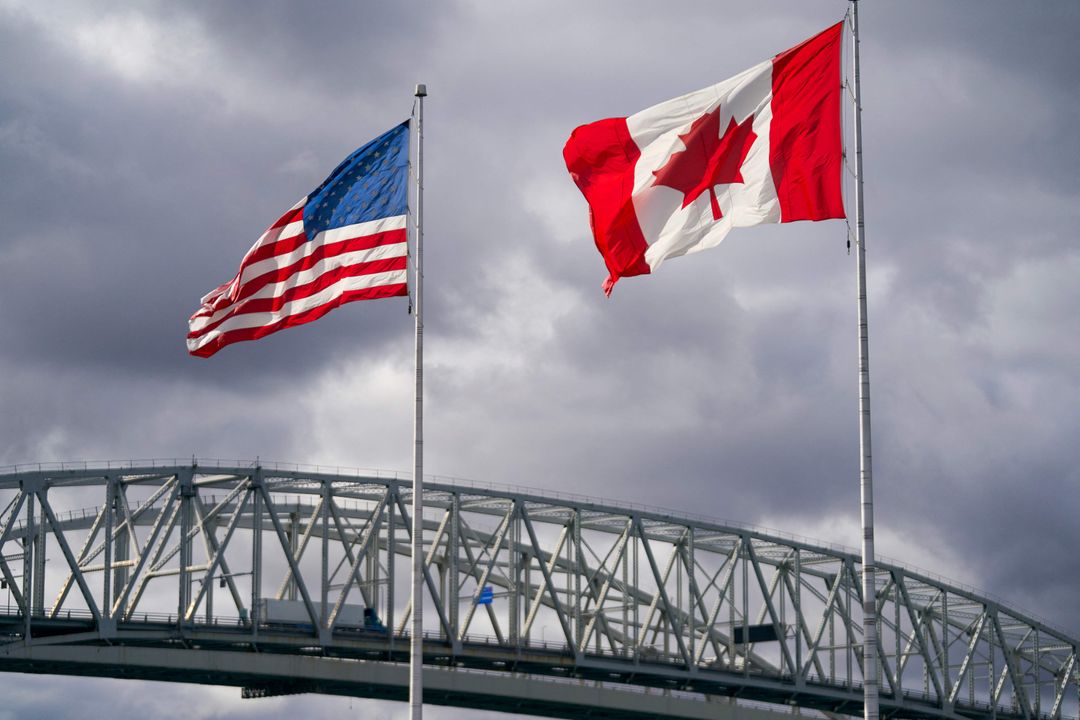
The US and Canada are working on a deal to ease tariffs on Canadian steel and autos, two US and four Canadian sources told Reuters, as the two governments try to repair relations that soured after trade talks broke down in August.
The talks focus on tariffs imposed under Section 232 of US trade law, including up to a 50 percent tariff on Canadian steel and a 25 percent tariff on autos, with negotiators discussing potential relief from those duties.
Tariffs on Canadian imports have become a political liability for the Trump administration, with Republican candidates in border states calling for an end to the trade war with Canada.
One Canadian source briefed on the negotiations said a deal on steel and auto tariffs was possible before the November 3 elections, while US sources said the Trump administration wanted Canada to make further concessions.
The Section 232 tariffs are administered by the Commerce Department, putting Commerce Secretary Howard Lutnick rather than the US Trade Representative's office at the centre of the negotiations, sources on both sides of the border said.
Lutnick and Canada's Dominic LeBlanc, the minister responsible for Canada-US trade, have been in regular contact recently, one of the sources said.
"Canada remains in constructive dialogue with our US counterparts on a range of priorities," a spokesperson for LeBlanc, said in a statement. "We stand ready to work constructively and in good faith towards a more mutually beneficial trading relationship that respects Canada’s interests."
The US Trade Representative's Office and Canada have also been in contact in recent days regarding the overall architecture of any deal and all other trade issues, a USTR official said.




Ottawa sees progress
Canadian Prime Minister Mark Carney said there had been "a slight intensification" in talks with the US, adding that Ottawa had not changed its stance.
"To the extent any progress has been made, it's because the US is coming closer to our position," he told reporters, but did not give details.
He said Ottawa had set firm limits that led it to reject the terms put forward in August.
"We had very clear bottom lines, red lines, which meant that we were not willing to sign what was offered in August," Carney said.
He added that Canada remains willing to reach an agreement on the right terms.
"Canada's ready to sign an agreement that is in the interests of Canadians, all Canadians," he said.
A Canadian industry source said a deal could come quickly, but not necessarily a broad one. "If it happens, it'll happen fast. But my sense is it'll be a narrowed deal, if it even happens," the source said, according to Reuters news agency.
US and Canadian trade talks collapsed in August over issues such as whether to cut duties on medium- and heavy-duty vehicles that are critical for Canadian factories.