 Sadiq S Bhat
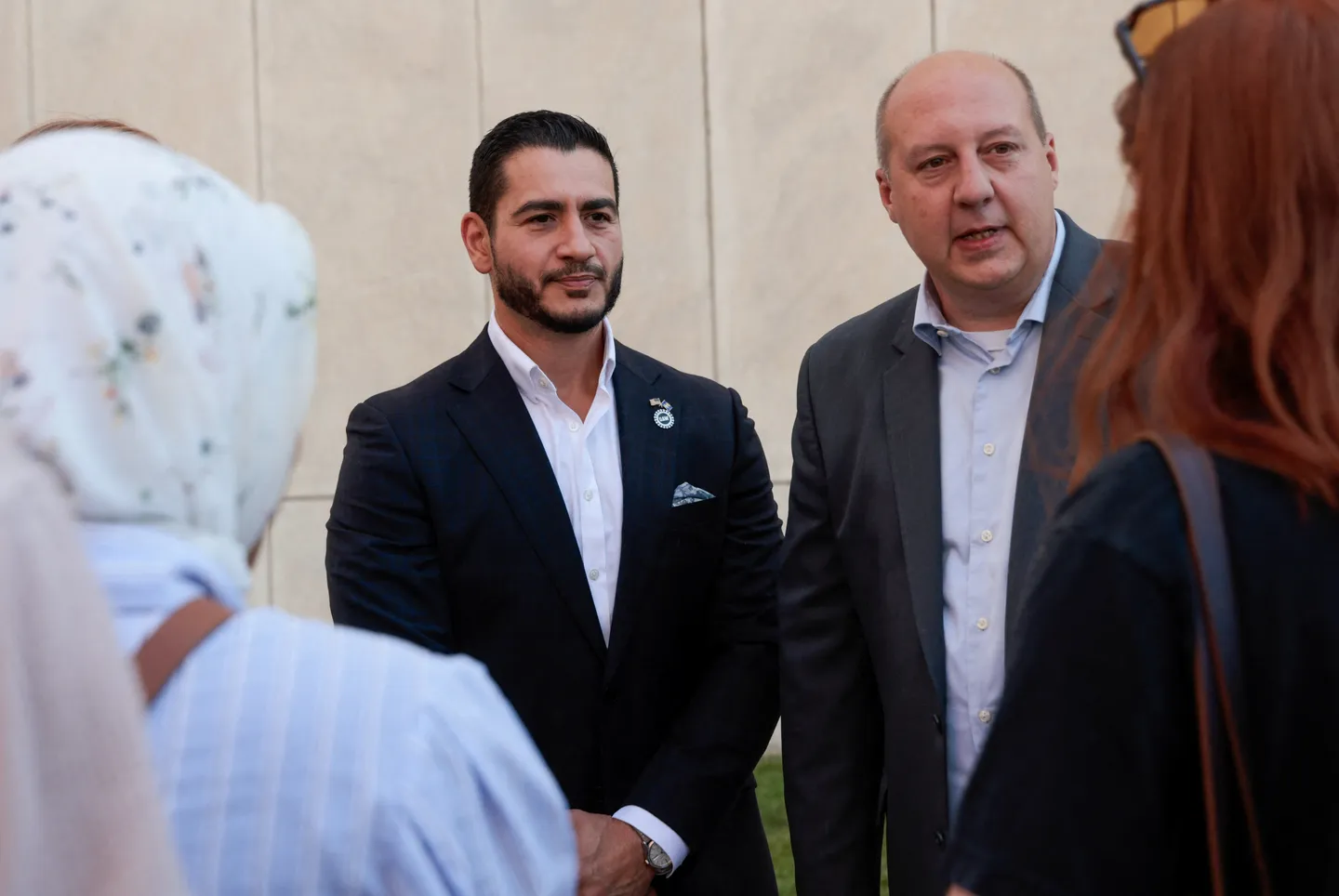
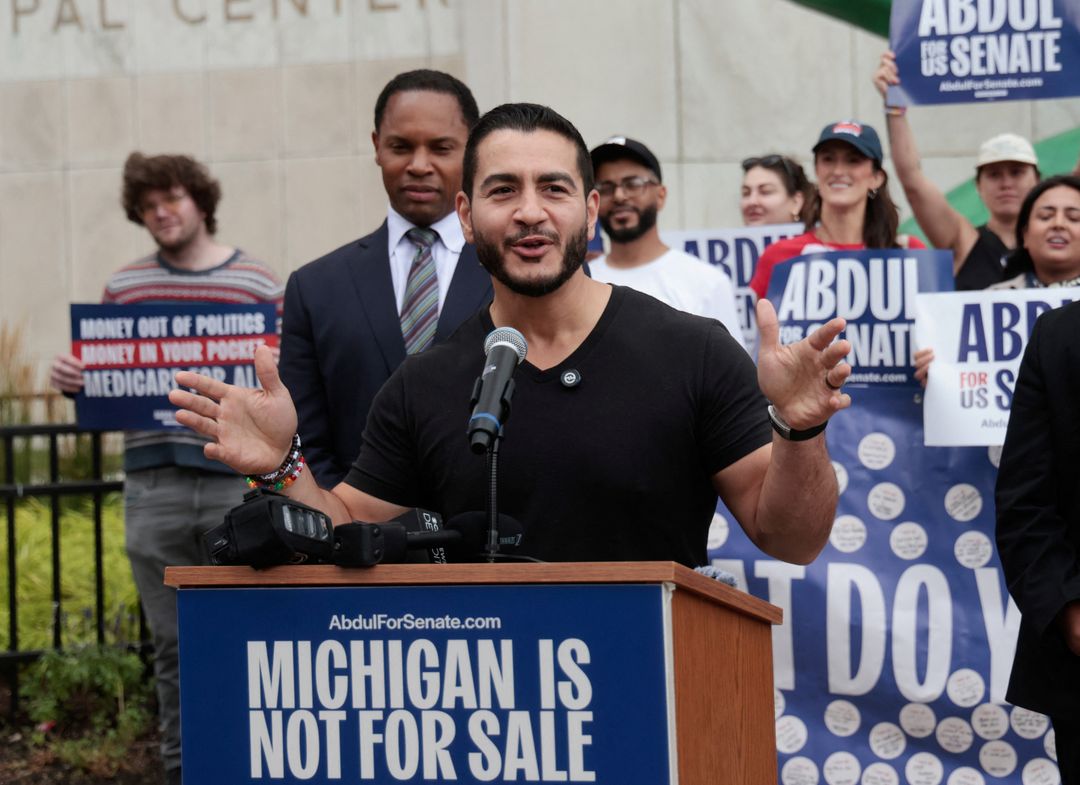
Washington, DC, — Abdul El-Sayed, a 41-year-old former public health official, has narrowly defeated Representative Haley Stevens in Michigan's Democratic Senate primary, capping one of the most expensive and bitter primary fights of the US midterm cycle.
The marquee race pitted the two Democrats against each other over Israel and health care, and El-Sayed's win hands the party's progressives its most significant battleground victory yet, and one that could shape Democratic strategy through 2028.
The margin was razor-thin: Decision Desk called the race for El-Sayed with 48.52 percent of the vote to Stevens's 47.47 percent but the message it sent was not.
Stevens entered the race backed by $62 million in outside advertising, including $31.9 million from the United Democracy Project, the super PAC aligned with AIPAC.
The contest, watched closely from Washington to Dearborn, had become something bigger than a Senate race.
It was a test of whether Democrats, still reeling from their 2024 losses, need to move further left to reconnect with disillusioned voters or whether that path leads straight into a general-election trap.
Michigan is a seat Democrats cannot afford to lose.
El-Sayed will now face former congressman Mike Rogers, who coasted through the Republican primary unopposed ahead of the midterm election.
A Rhodes Scholar and Columbia-trained physician who chose public health over practising medicine, El-Sayed built his campaign on Medicare for All, a 7% annual wealth tax on billionaires, and a broader indictment of an economy he argues is rigged for the powerful.
"It's not about Mike Rogers. It's not even about Donald Trump. It is about who we are as a country. I know what America gave me, but I also know what America continues to deny to too many of her own children,” El-Sayed said after winning the Democratic primary.
The Israel fault line
No issue defined the race more than Israel.
El-Sayed refused to soften his position, accusing his Democratic rival Stevens of backing continued military assistance to Israel.
He hammered her ties to AIPAC throughout the race, and in the campaign's closing days, Stevens's own ads drew insinuations that El-Sayed was antisemitic.
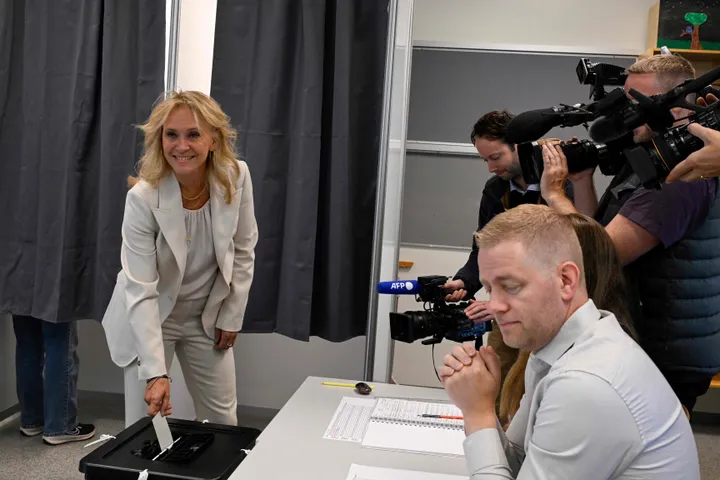
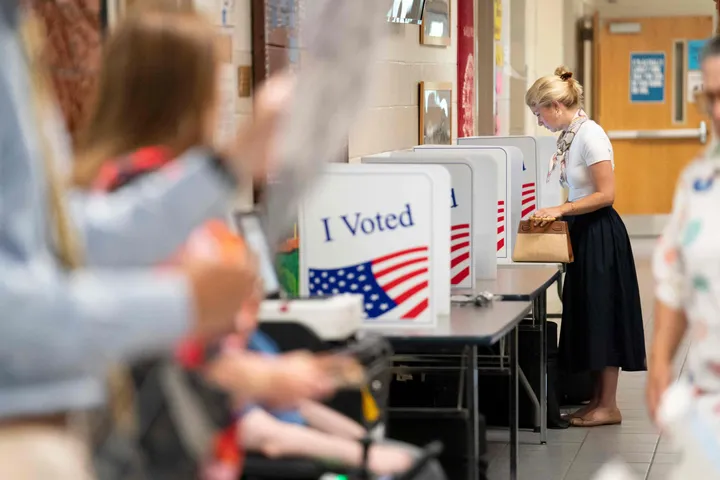
AIPAC poured nearly $32 million into backing Haley Stevens, but the final turnout topped 1.5 million voters — the highest in a non-presidential Democratic primary since 1998.
Throughout the race, El-Sayed openly criticised Israel and leaned into his Muslim identity.
Crucially, the fight over Israel wasn't incidental to El-Sayed's win: it may have been decisive.
Michigan is home to some of the largest Arab American communities in the country, concentrated in exactly the kind of Detroit-area districts where turnout mattered most.






Stevens locked down establishment support Senate Democratic leader Chuck Schumer, Gov. Gretchen Whitmer.
El-Sayed leaned harder into his alliance with the party's left flank, campaigning alongside Senator Bernie Sanders and Representative Alexandria Ocasio-Cortez.
In his victory message, El-Sayed also sought to emphasise unity.
"To my Jewish American sisters and brothers — one of the most indelible memories of this campaign will have been the opportunity to break bread with you, to worship with you, to embrace and be embraced by you,” he said on Wednesday.
“Self-determination for one people does not require the quenching of self-determination for another. Unless all of us are free, none of us are free,” El-Sayed added.
What comes next
The Michigan-born son of Egyptian immigrants is now within reach of history. If he defeats former Republican congressman Mike Rogers in November, El-Sayed would become the first Muslim elected to the US Senate.
"My story in America is about as unlikely as it gets. That's what America gave me,” El-Sayed said.
For many Muslim Americans, the significance of the result extended beyond the race itself.
"Many Muslim Americans see this as an encouraging moment for political representation. It suggests candidates can be judged more on their ideas than on their faith,” Layla Yusuf Al-Hassan, a resident of Hamtramck, Michigan, told TRT World.
For progressives, El-Sayed's win is vindication, proof that Democratic voters are ready for candidates who directly challenge their own leadership.
For the Democratic establishment, it's a warning that the primary electorate may be drifting further from the voters the party needs in November.
Michigan is a state Democrats can ill afford to lose in November. Holding the seat is all but essential if the party hopes to have any shot at retaking the US Senate.
On his challenge to Republican Rogers in the midterms, El-Sayed said, "Mike's a guy who spent 14 years in Congress with one goal: to figure out how to cash out the day he left…I promise you, in November, we are going to send you back to Florida."
Michigan will spend the next three months finding out.