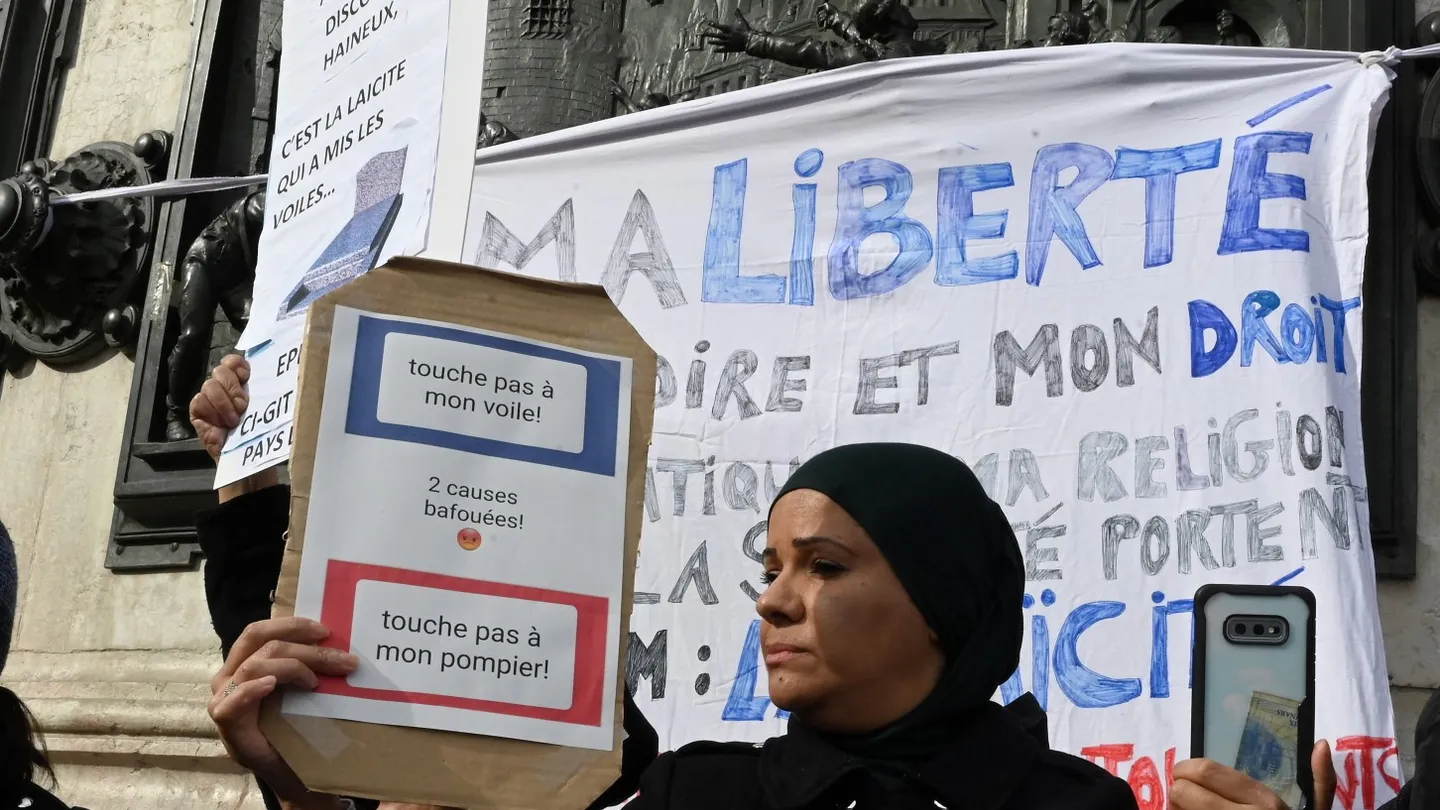
France’s top Muslim representative body has condemned what it called “irresponsible” political statements targeting Muslim women who wear headscarves, warning that such rhetoric could put them at greater risk of hostility and attacks.
The French Council of Muslim Faith (CFCM) said on Tuesday it strongly rejected attempts to associate women wearing headscarves with extremist ideology, arguing that such comments contribute to publicly stigmatising women who freely choose to wear the religious garment.
“Those who participate in this escalation bear political and moral responsibility,” the council said, warning that the rhetoric could expose Muslim women to “insults, threats, intimidation and attacks.”
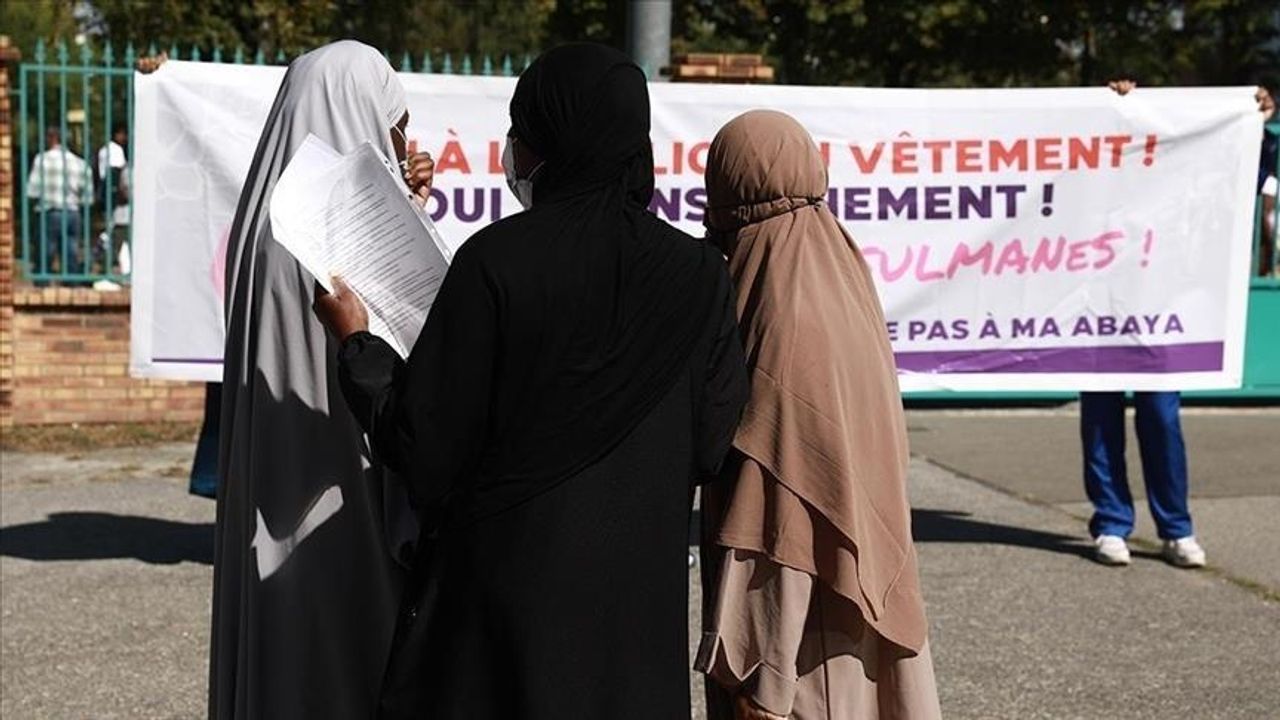
Council defends freedom of religious choice
The CFCM rejected claims that the headscarf is merely a product of contemporary extremist ideology, noting that forms of head covering appear in the foundational traditions of Judaism, Christianity and Islam.
While acknowledging that extremist movements have sought to instrumentalize the headscarf, the council said this does not change its religious or personal nature or justify banning it for women who freely choose to wear it.
“A woman who chooses to wear the headscarf, like one who chooses not to wear it, must be protected and her free choice respected,” the council said.




The group also argued that a public headscarf ban would conflict with constitutionally protected principles, including freedom of conscience, individual liberty and secularism.
CFCM warns against election-driven division
The council criticised what it described as a growing focus on controlling women’s clothing ahead of major electoral deadlines, questioning whether deploying law enforcement to police clothing should be considered a political priority.
It pointed instead to other challenges facing France, including terrorism, crime, drug trafficking, violence and insecurity.
The CFCM warned that using electoral debates to promote “fear, stigmatisation and division” risks deepening social tensions while distracting from the country’s wider challenges.
It called on political leaders to exercise “responsibility and restraint” and urged citizens committed to “freedom, equality and fraternity” to engage in public debate and civic action.
“Let us not make millions of French people hostages to electoral strategies. Let us not put targets on the backs of Muslim women,” the council said.