El Nino conditions are expected to develop in the coming months, significantly increasing the risk of extreme weather events across the globe, the World Meteorological Organization (WMO) said on Tuesday.
The UN weather agency said there is an 80 percent chance that El Nino will emerge between June and August, with the likelihood of it continuing through at least November exceeding 90 percent.
El Nino is the warm phase of the El Nino-Southern Oscillation, a naturally occurring climate pattern characterised by above-average sea surface temperatures in the central and eastern equatorial Pacific Ocean. It typically develops every two to seven years and can last around nine to 12 months.
The climate phenomenon is known for altering global rainfall and temperature patterns and intensifying weather extremes.
“The science is clear: El Nino is arriving on our doorstep in the coming months with 90 percent certainty,” UN Secretary-General António Guterres said, warning that it would “pour fuel on the fire of a warming world.”

Heatwaves, floods and drought risks rise

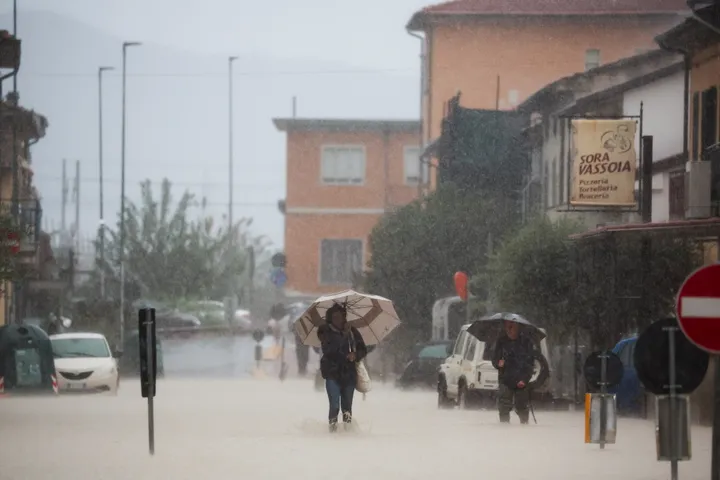






WMO Secretary-General Celeste Saulo said the developing El Nino could worsen droughts, trigger heavier rainfall in some regions, and increase the frequency and intensity of heatwaves on land and at sea.
Forecasts for June through August point to above-average temperatures across most parts of the world, raising concerns about heat stress, water shortages, crop losses and economic disruption.
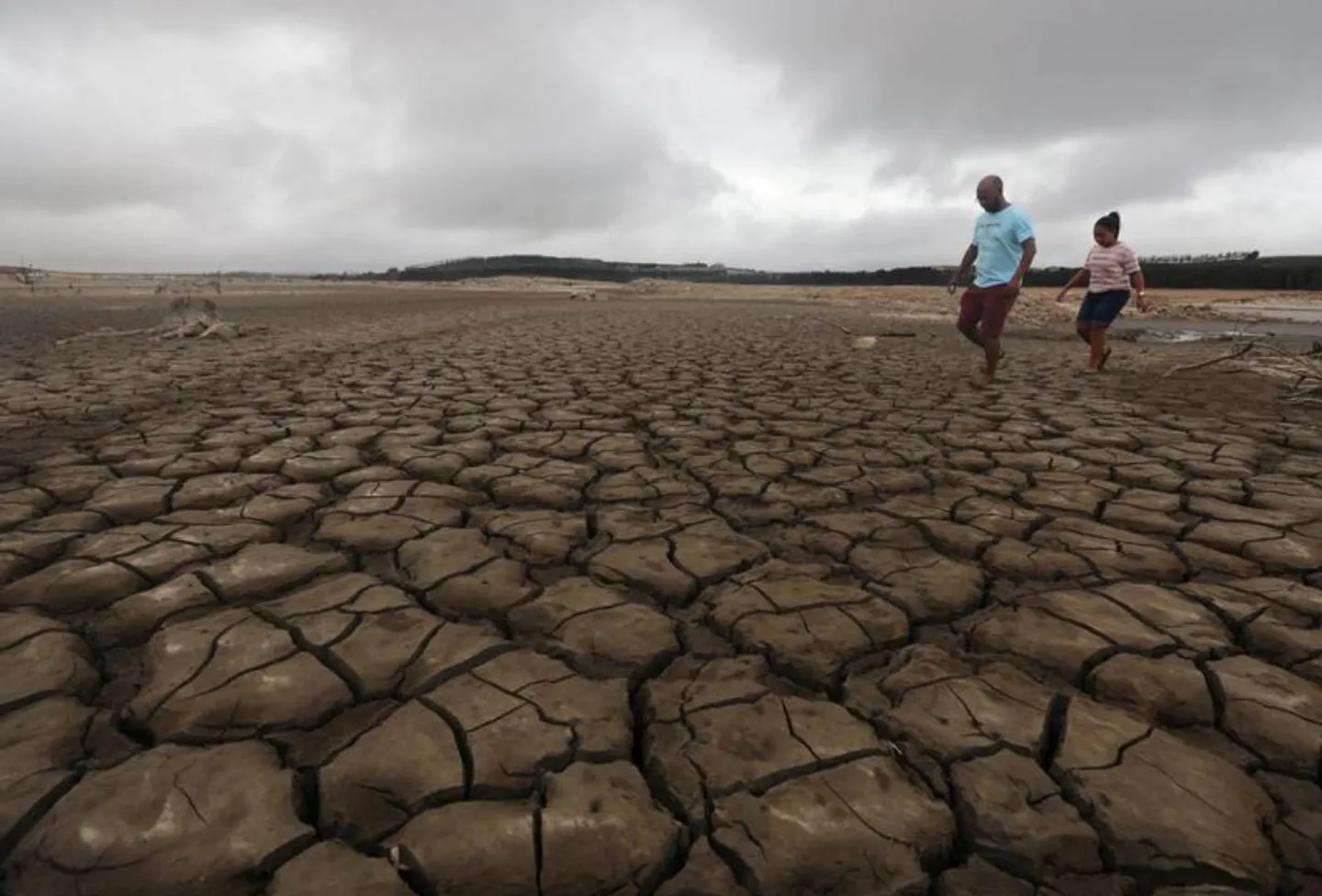
The agency said El Nino typically brings wetter conditions to parts of South America, the southern United States, the Horn of Africa and Central Asia, while increasing the likelihood of drought in regions including Australia, Indonesia, Central America and parts of southern Asia.
Officials stressed that early warning systems and seasonal forecasts will be critical in helping governments prepare for potential impacts and reduce risks to lives and livelihoods.
The last El Nino event in 2023–24 was among the five strongest ever recorded and contributed to record global temperatures in 2024.