Oil has breached $100 a barrel for the first time in more than three-and-a-half years, triggering immediate reactions across markets, governments, and central banks as the US-Israeli war on Iran enters its 10th day, threatening a major global supply shock.
Here’s a brief wrap on the latest.
Impact on markets
Brent crude, the international oil standard, surged to roughly $107–$115 a barrel, while West Texas Intermediate, the light, sweet crude oil produced in the United States climbed above $105, marking the first time oil prices have crossed the $100 threshold since 2022.
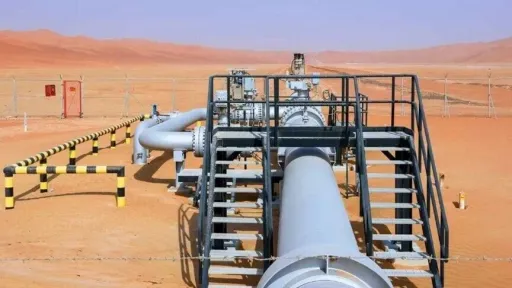
Oil prices have surged as the war, now in its second week, has ensnared countries and places that are critical to the production and movement of oil and gas from the Gulf.
The spike pushed global markets into risk-off mode in early trade on Monday, with Asian equities such as Japan’s Nikkei and South Korea’s Kospi falling sharply and US stock futures also sliding.
Analysts warn the spike could reignite global inflation and pressure economic growth if supply disruptions persist.
Supply shock
Roughly 15 million barrels of crude oil — about 20 percent of the world’s oil — typically are shipped every day through the Strait of Hormuz, according to independent research firm Rystad Energy.
The threat of Iranian missile and drone attacks has all but stopped tankers from travelling through the strait, which is bordered in the north by Iran, carrying oil and gas from Saudi Arabia, Kuwait, Iraq, Qatar, Bahrain, the United Arab Emirates and Iran.
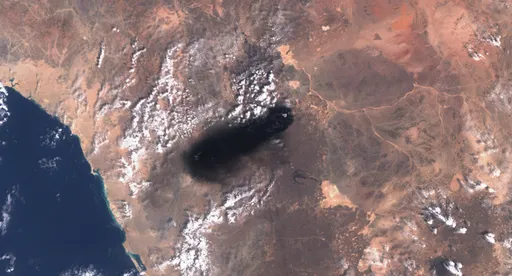
Iraq, Kuwait and the UAE have cut their oil production as storage tanks fill due to the reduced ability to export crude. The war has seen attacks on oil and gas facilities, exacerbating supply concerns.
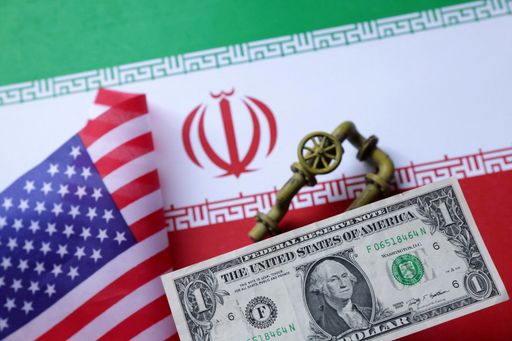
Force majeure
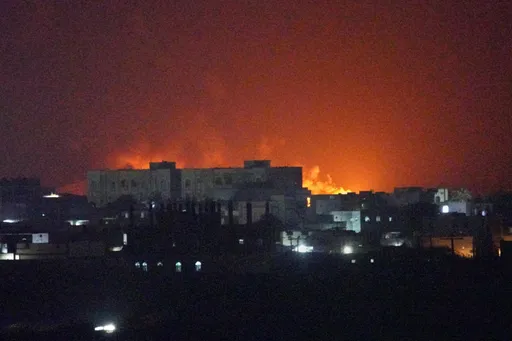
Bahrain’s state oil operator Bapco Energies has declared force majeure after attacks on energy infrastructure. A recent attack targeted one of Bapco Refining's refinery units, an affiliate of the group.
A force majeure is a legal manoeuvre that releases a company from its contractual obligations because of extraordinary circumstances.
Central banks are having a sharp policy rethink
The escalating crisis in the Middle East has dramatically changed the outlook for global central banks, with the huge supply shock posing a difficult trade-off between underpinning growth and countering inflation.
For emerging Asian central banks, cutting interest rates has become a risky bet not just because of the added price pressure from higher fuel costs, but the risk of triggering capital outflows through worsening terms of trade with the US.
The Reserve Bank of India, for one, expects to focus more on supporting growth by keeping interest rates low, Reuters reported, citing sources.
Thailand and the Philippines may be forced to reverse their dovish monetary policy stance, even as rising fuel costs hurt their economies, said Toru Nishihama, chief emerging market economist at Dai-ichi Life Research Institute in Tokyo.
"Many central banks will face a tough decision as they come under pressure from both markets and governments," Nishihama said. "With no clear end in sight to the conflict, the risk of stagflation is heightening day by day."




Share markets plunged and the safe-haven US dollar rose in Asia on Monday as oil surged, stoking fears of a protracted Middle East war on global energy supplies and higher inflation that may force central banks to hike rates.
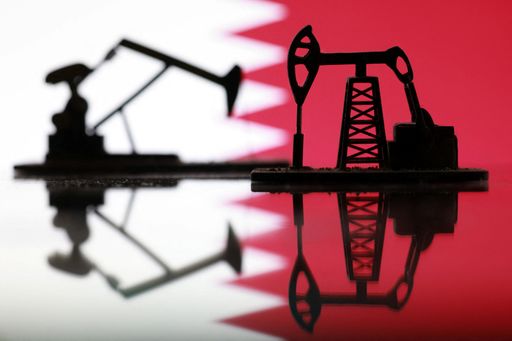
The trade-off is particularly acute for manufacturing-heavy economies like South Korea and Japan, which are dependent on global trade, stable markets and cheap raw material costs - all being undermined by the widening Middle East crisis.
South Korea's central bank, which kept rates steady in February, could take a more hawkish stance if inflation persistently stays a percentage point above its target, said Citigroup economist Kim Jin-wook.
The dilemma runs deep for the Bank of Japan. If crude oil prices stay at $110 for a year, that could knock 0.39 of a percentage point off growth, according to Nomura Research Institute.
Australia and New Zealand are typical of how economies in different cycles put policymakers in a difficult bind.
Sustained oil price hikes risk de-anchoring price expectations in Australia, where inflation is already elevated, said Jonathan Kearns, chief economist at Challenger, who is also a former Reserve Bank of Australia official.
New Zealand faces a different challenge as the economy has struggled to recover from the hit from past rate hikes.
"We suspect central banks, and the RBNZ in particular, may well have to tolerate higher inflation in the short run to avoid tightening into a slowing global economy," said Jarrod Kerr, chief economist at Kiwibank.
International Monetary Fund Managing Director Kristalina Georgieva said on Monday that a 10 percent rise in oil prices, if persistent through most of the year, would result in a 40-basis-point increase in global inflation.
Asian economies are scrambling, sending staff home
Energy-importing economies in Asia are already moving to contain the shock, including fuel price caps and emergency energy-saving measures such as closing institutions or shifting activity to reduce consumption.
South Korean President Lee Jae-myung said on Monday that authorities would cap domestic fuel prices for the first time in nearly 30 years.
The country will also look for sources of energy beyond supplies shipped via the Strait of Hormuz, and a market-stabilisation programme should be expanded if needed, he added.
The Japanese government instructed a national oil reserve storage site to prepare for a possible release of crude, Akira Nagatsuma, a member of the Centrist Reform Alliance opposition party, told Reuters on Sunday.
Vietnam is planning to remove import tariffs on fuels to ensure supplies amid disruptions, the government said, adding that the measure is expected to last until the end of April.
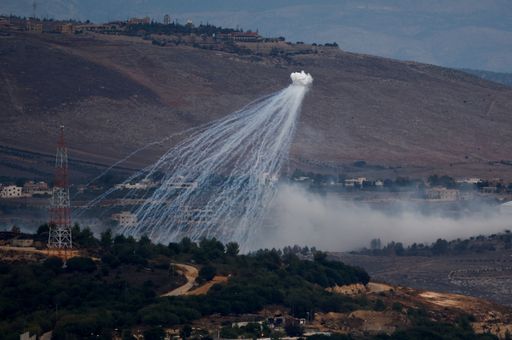
Bangladesh will close all universities from Monday, bringing forward the Eid al-Fitr holidays as part of emergency measures to conserve electricity and fuel.
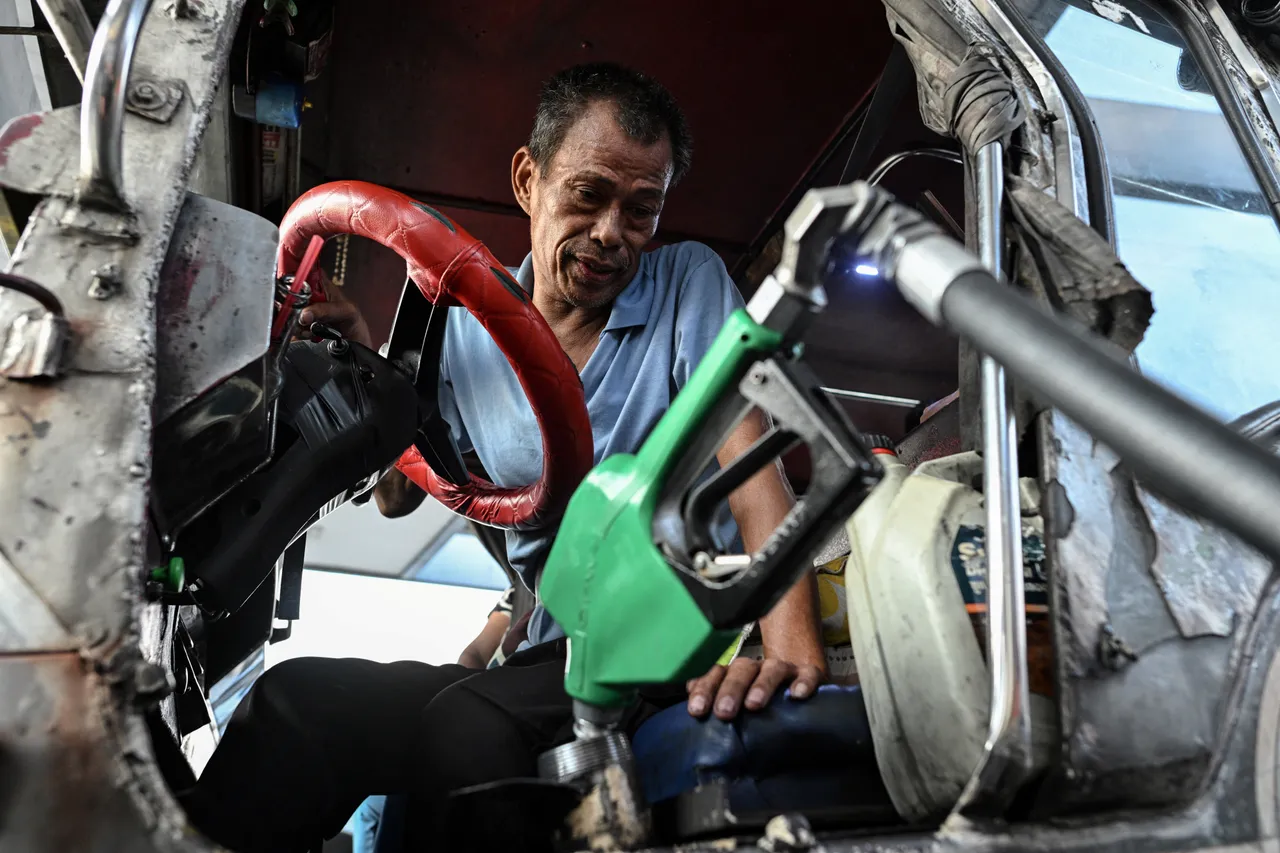
In Pakistan, people refuelled their cars and motorbikes at petrol stations across the country over the weekend after retail prices of diesel and petrol were raised by about 20 percent on Friday.
In Dubai and other major Middle Eastern shopping hubs, many stores are closed or operating with a skeleton staff.
E-commerce giant Amazon closed its fulfilment centre operations in Abu Dhabi, suspended deliveries across the region and instructed its employees in Saudi Arabia and Jordan to remain indoors.