 Abhishek G Bhaya
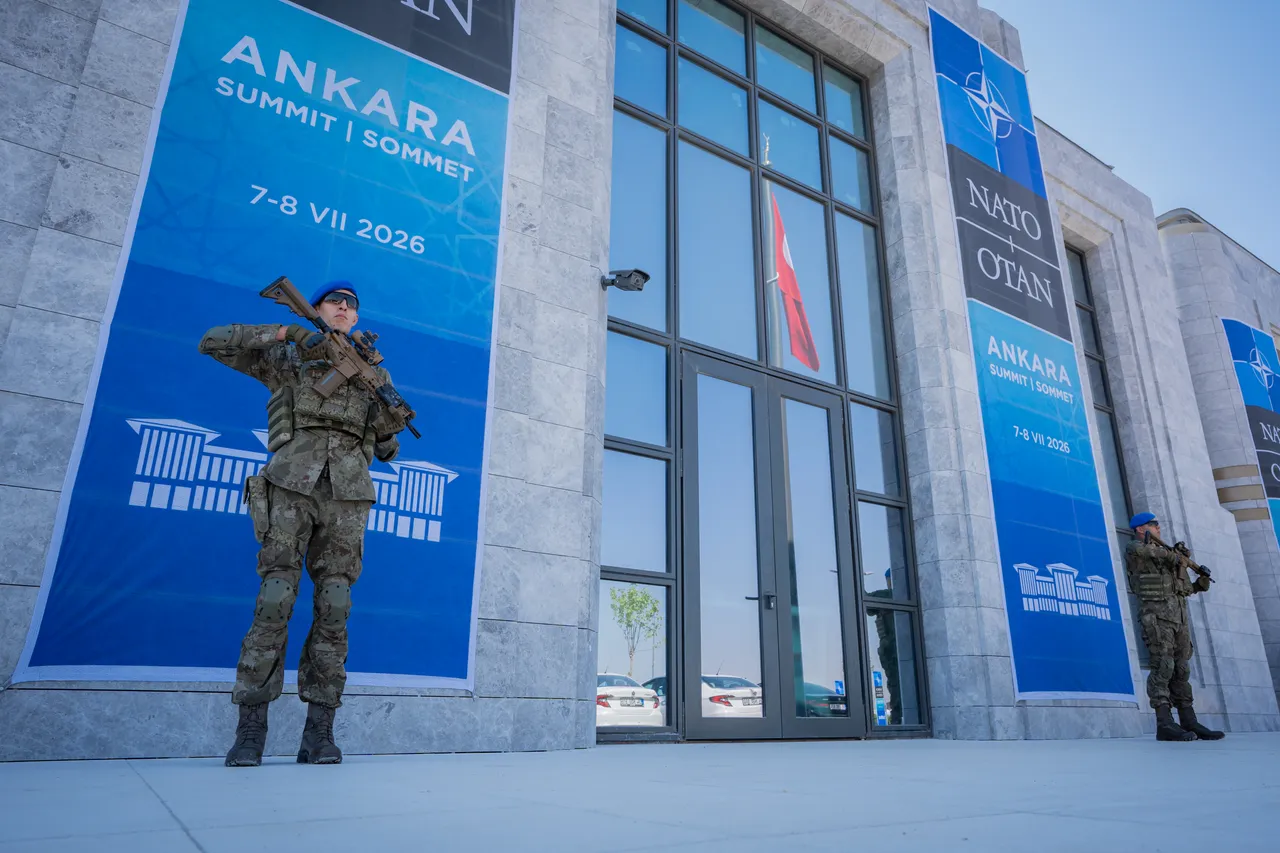
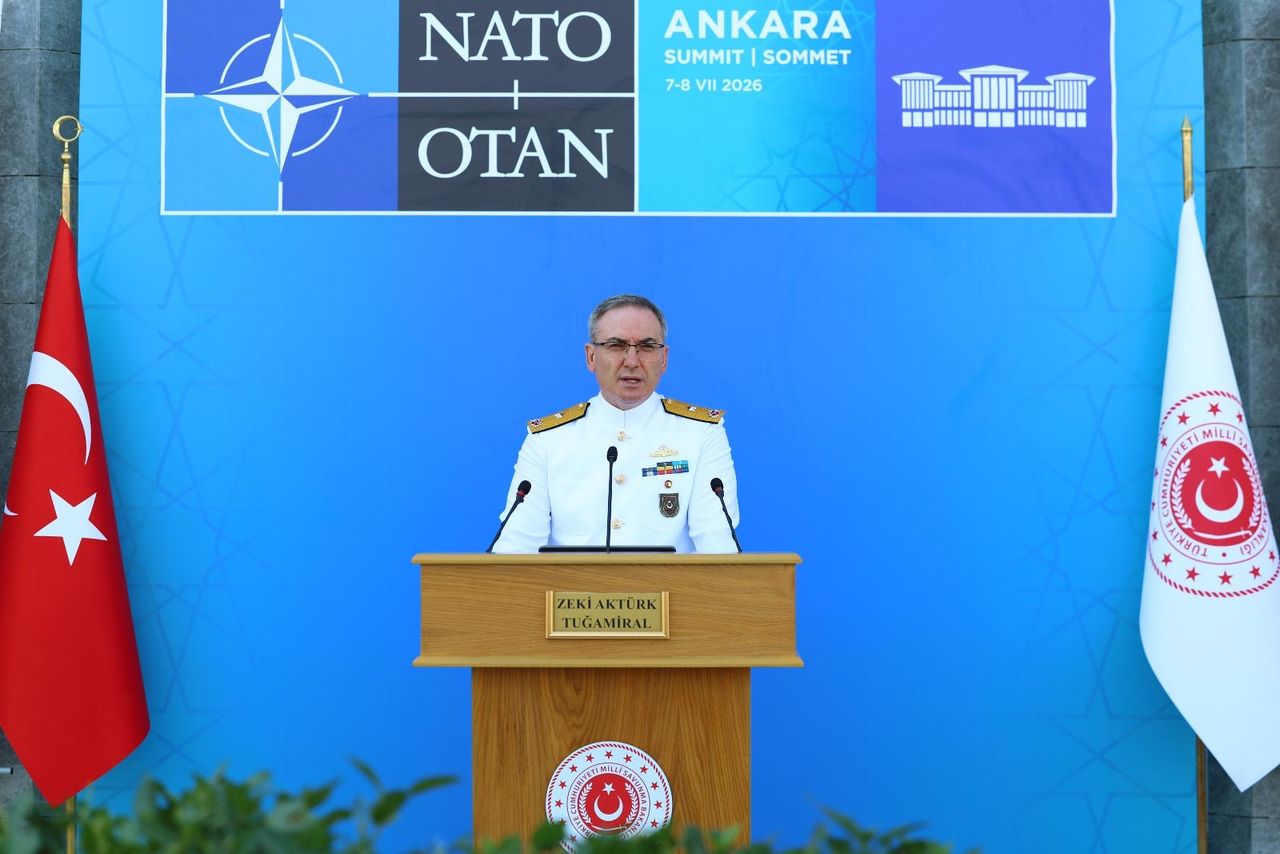
From the trenches of Ukraine to the Iranian ballistic missile threat, NATO’s security environment is becoming increasingly multi-theatre — and increasingly unpredictable. When allied leaders meet in Ankara on July 7–8, they will do so against a backdrop of overlapping wars and widening geopolitical fault lines that are reshaping the transatlantic alliance’s strategic priorities faster than formal doctrine can keep pace.
The summit comes as Russia's war in Ukraine grinds into its fourth year, the recent US-Israeli military conflict with Iran has heightened instability across the Middle East, and allies continue grappling with growing demands for higher defence spending amid economic pressures at home.
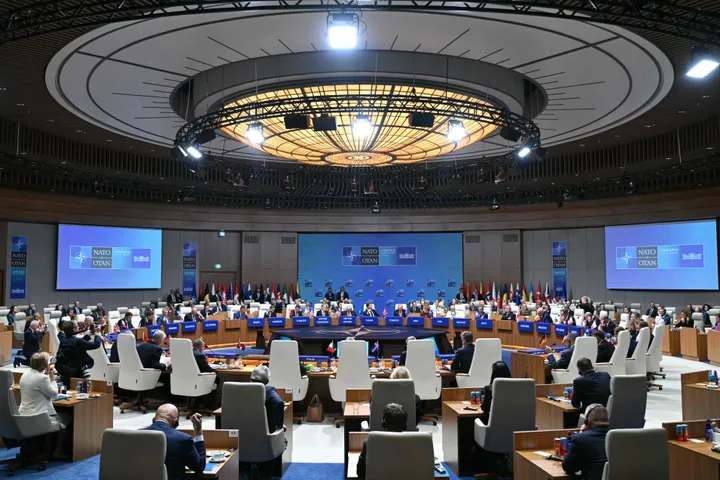
Parliamentary leaders from NATO allies called for stronger defence investment, deeper coordination, continued support for Ukraine and greater alliance unity during the NATO Parliamentary Summit hosted by Türkiye in Istanbul on Monday, ahead of the main summit in Ankara.
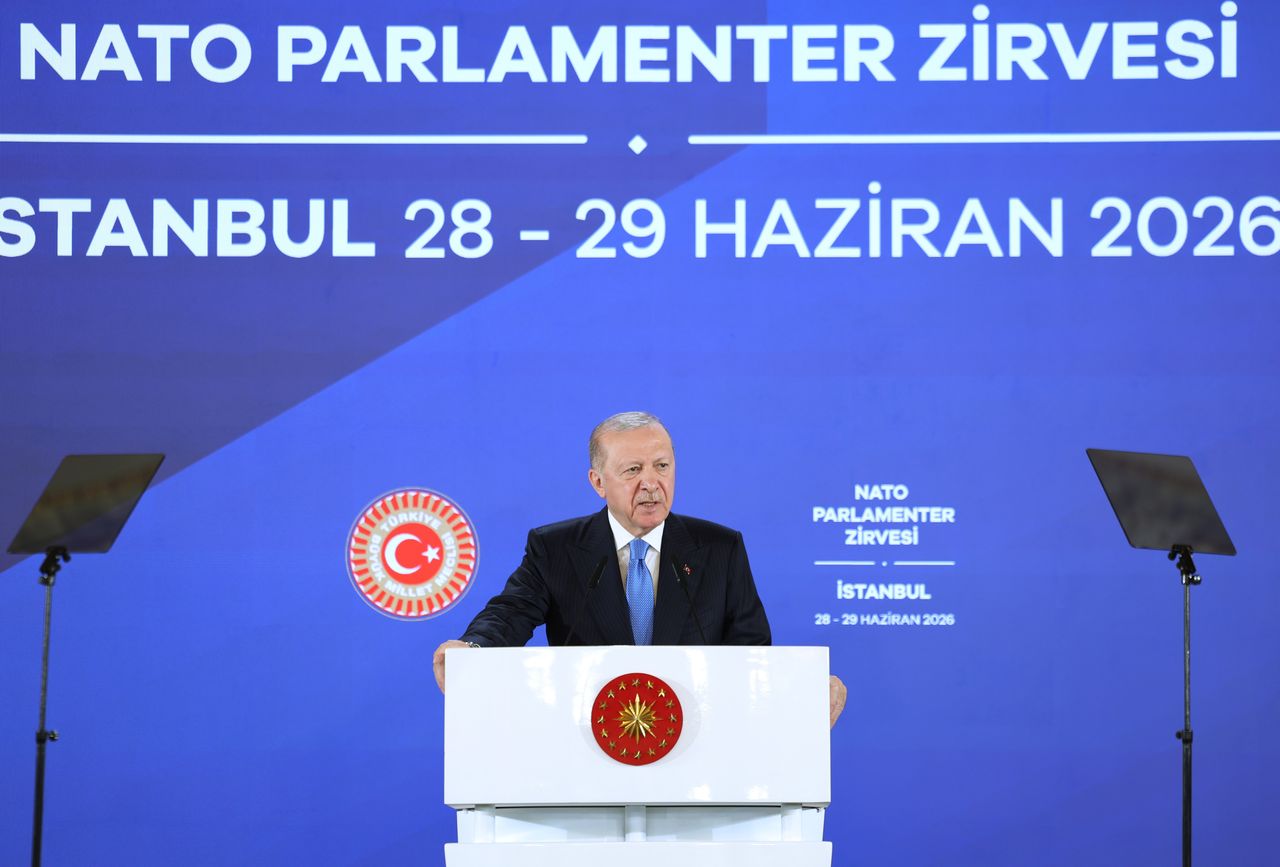
Unlike previous summits that focused on enlarging the alliance or redefining NATO's strategic vision, the Ankara meeting is expected to centre on implementation — translating ambitious political commitments into military capability.
That includes expanding defence industrial production, strengthening NATO's deterrence posture, delivering long-term military support for Ukraine and responding to a rapidly evolving security landscape stretching from Eastern Europe to the Middle East.
Ahead of the summit, Turkish President Recep Tayyip Erdogan said Ankara would provide the "strongest platform" for allies to exchange experience while calling for an "unconditional" security architecture capable of responding to increasingly complex global threats.
During a phone call with German Chancellor Friedrich Merz on Monday, Erdogan also underlined the need for a strong commitment from allies to boost Europe’s defence and preserve the "transatlantic bond" as NATO enters what many describe as a new strategic phase.
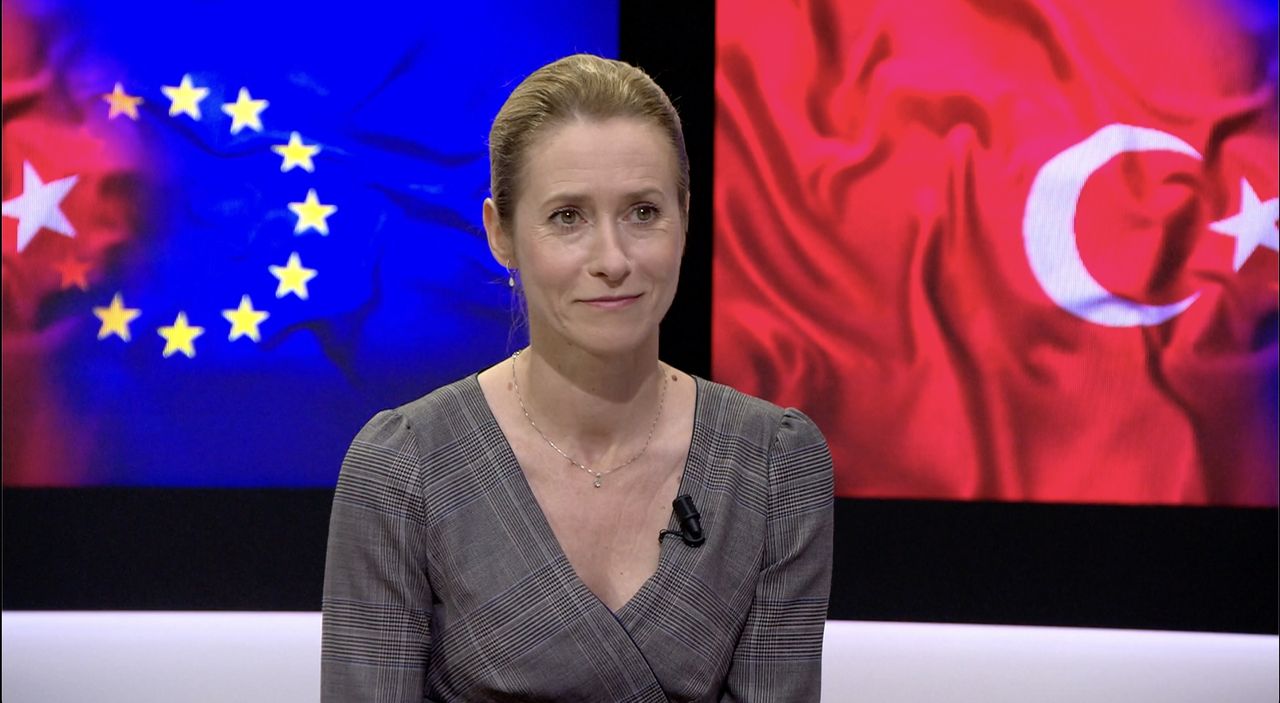
European Union foreign policy chief Kaja Kallas, who visited Türkiye ahead of the summit, described the Ankara gathering as a "historic" moment for the alliance, arguing that NATO must project unity at a time when transatlantic relations are under strain. She said the summit would focus on increasing defence production, strengthening deterrence and assessing "what more can we do for Ukraine," while urging greater investment in joint military capabilities.
From strategy to implementation
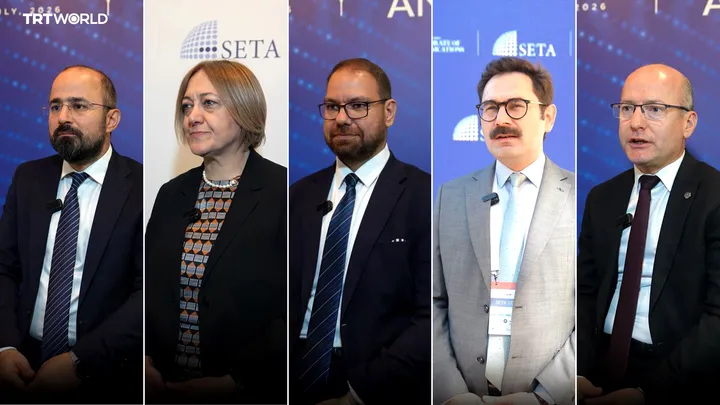
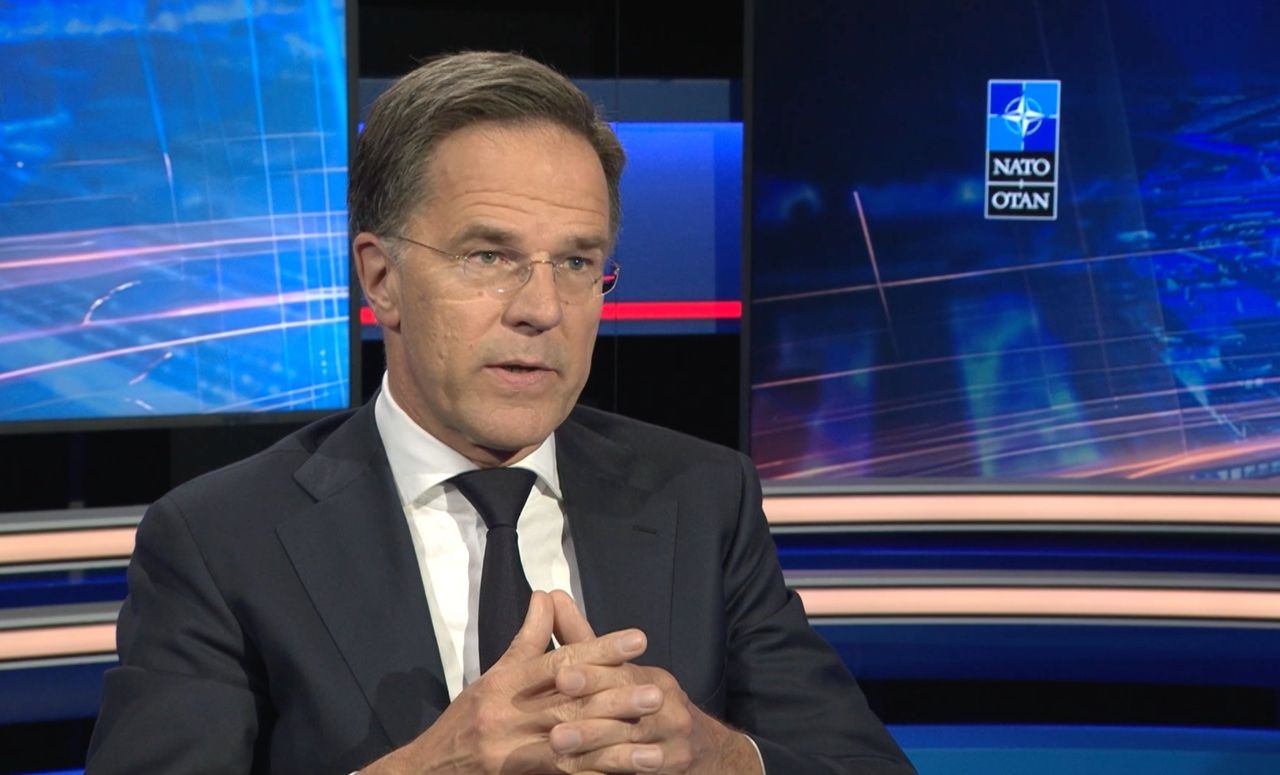
For Mehmet Ozkan, Professor of International Relations at the Joint War Institute of Türkiye's National Defence University, the Ankara Summit represents a turning point in NATO's evolution.
"The Ankara Summit should primarily be understood as an implementation summit rather than a forum for major strategic recalibration," he told TRT World.
"The central issue is no longer defining a new threat or revising NATO's strategic concept. It is operationalising commitments on defence spending, industrial production and military capability development."
According to Ozkan, the alliance is entering what he describes as its second post-Cold War transformation, shifting from defining itself through external threats toward building a sustainable defence-industrial base capable of supporting long-term deterrence.
Marian Duris, a foreign policy expert at the European Parliament in Brussels, broadly agrees that implementation will dominate the summit but argues that NATO cannot avoid larger strategic questions.
"The significance of this event lies not in pompous statements but in recognising the current situation, the possible future and the ability to implement the respective positions," he told TRT World.
The summit's core agenda, he argues, includes deterrence planning, burden-sharing, defence funding and defining NATO's future direction.
"More pragmatism would be needed, less panic and a major strategic recalibration would certainly be necessary," Duris added, arguing that some policymakers remain trapped in geopolitical assumptions rooted in the late twentieth century while new security challenges continue to emerge.
Defence spending and industrial capacity
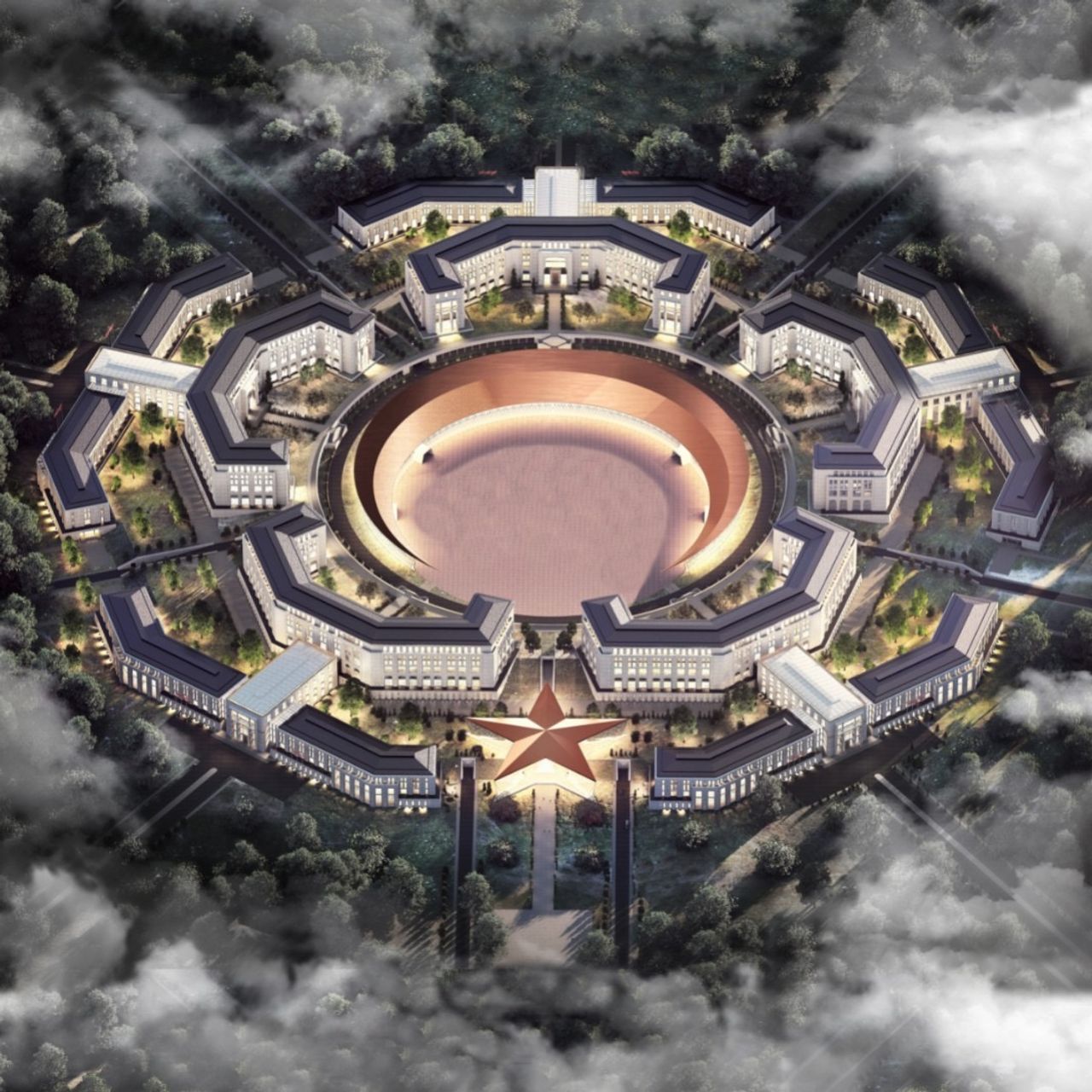
One of the summit's principal objectives is expected to be implementing NATO's ambitious new defence investment framework, under which allies have agreed to work towards investing 5 percent of GDP by 2035, combining traditional defence expenditure with spending on infrastructure, resilience and military mobility.
Yet both experts argue that the alliance's future effectiveness will depend less on financial commitments than on whether those investments produce tangible military capability.
"The sustainability of support for Ukraine will increasingly depend on industrial capacity rather than political declarations alone," Ozkan said.
European governments face fiscal pressures, political constraints and growing public fatigue after years of supporting Kiev, he noted. NATO's response has therefore been to institutionalise defence production and expand industrial output so that military assistance becomes sustainable over the long term.
Duris likewise cautions against reducing security solely to budgetary targets. "Security cannot be reduced only to the area of defence spending," he said. "It must reflect geography, industrial capacity and the identification of real threats."
Ukraine remains NATO's defining challenge
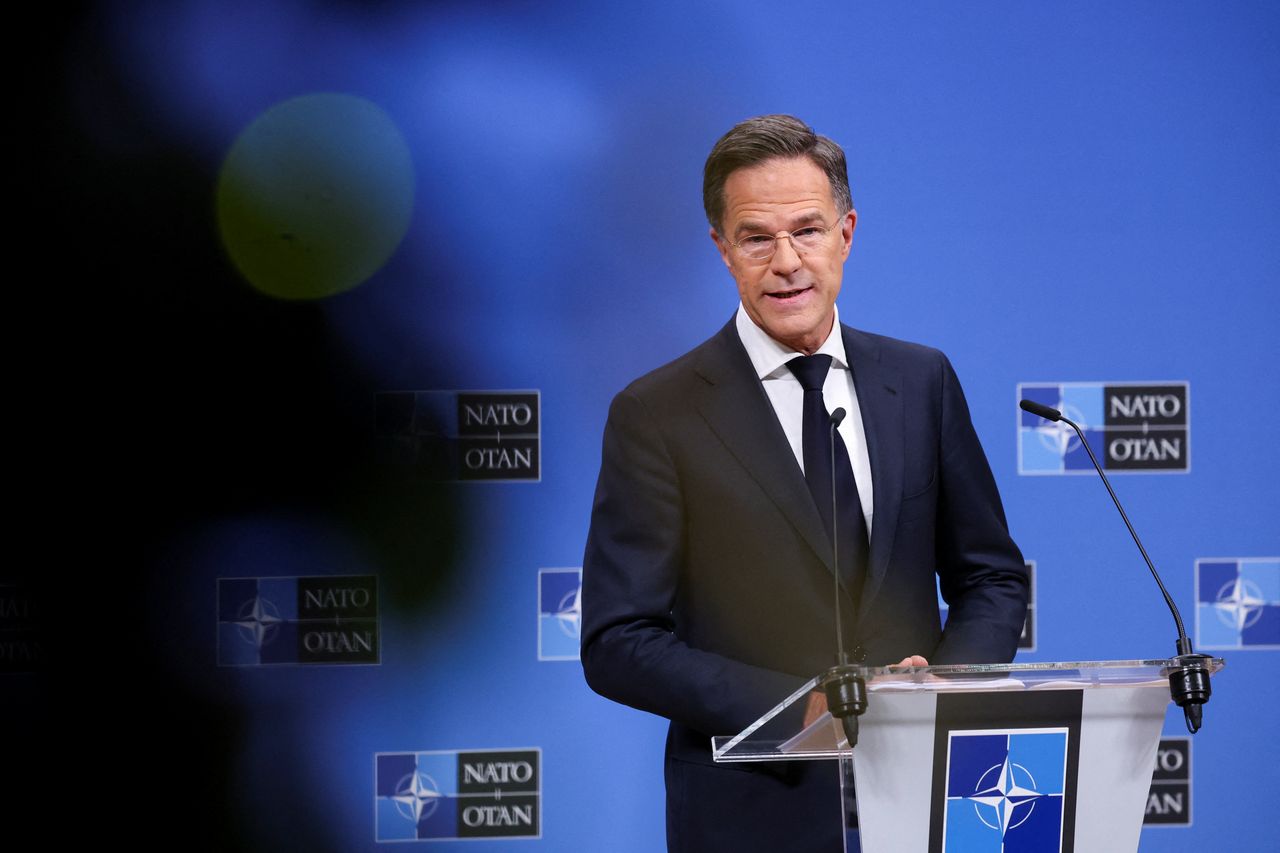
Despite growing instability in the Middle East, Ukraine will remain the alliance's central strategic priority.
More than four years into Russia's war in Ukraine, NATO leaders are expected to discuss how to sustain long-term military support for Kiev while addressing growing political and economic pressures across Europe.
Yet maintaining support for Ukraine is becoming politically more complex. Public fatigue, economic constraints and changing domestic politics across Europe have raised questions about whether governments can sustain military assistance indefinitely.
Ozkan argues that fiscal constraints, domestic political pressures and growing public fatigue across Europe make it increasingly important for NATO to institutionalise defence production rather than depend on ad hoc aid packages.
For Duris, however, domestic politics may increasingly constrain European governments. "The fatigue from the long-lasting war can be seen everywhere," he said, noting that while many European institutions remain committed to supporting Ukraine, elected governments face growing domestic resistance as economic pressures mount.




The question facing leaders in Ankara, therefore, is not whether NATO will continue supporting Ukraine, but whether the alliance can build the industrial and political capacity needed to sustain that support over the long term.
Iran puts NATO's southern flank back in focus
If Ukraine remains NATO's defining military challenge, the recent US-Israeli military campaign against Iran has expanded the alliance's strategic agenda. While the Russia-Ukraine war continues to dominate NATO's eastern flank, instability across the Middle East has reinforced concerns that threats on the southern flank can no longer be treated as secondary.
Although Iran lies outside NATO's formal area of operations, the conflict has sharpened concerns that instability across the Middle East directly affects alliance security through energy markets, maritime trade routes, migration, cyber threats and the risk of wider regional escalation.
For Türkiye, which borders one of the world's most volatile regions while maintaining dialogue with both Western allies and regional powers, the conflict has further underscored its strategic importance within NATO.
"The southern flank is likely to receive significant attention," Ozkan said. "Instability in the Middle East increasingly intersects with European security concerns. Energy security, migration pressures, regional conflicts and tensions involving Iran directly affect NATO members."
However, he believes these developments ultimately complement rather than displace NATO's principal priorities. "The summit's defining theme will still be industrialisation and deterrence. The southern flank agenda will be discussed less as a separate regional issue and more as one of the drivers behind NATO's need for greater resilience, readiness and defence production capacity."
Duris similarly believes the confrontation with Iran has significantly reshaped NATO's geopolitical calculations. "The broader situation in the Middle East is pushing some countries to pay greater attention to the southern flank because instability there has direct consequences through energy markets, maritime routes, escalation risks, migration pressures, cyber threats and wider strategic uncertainty," he said.
Balancing these concerns with NATO's continued focus on Russia and Ukraine will likely be one of the summit's most delicate political challenges.
Türkiye's growing recognition as an industrial power
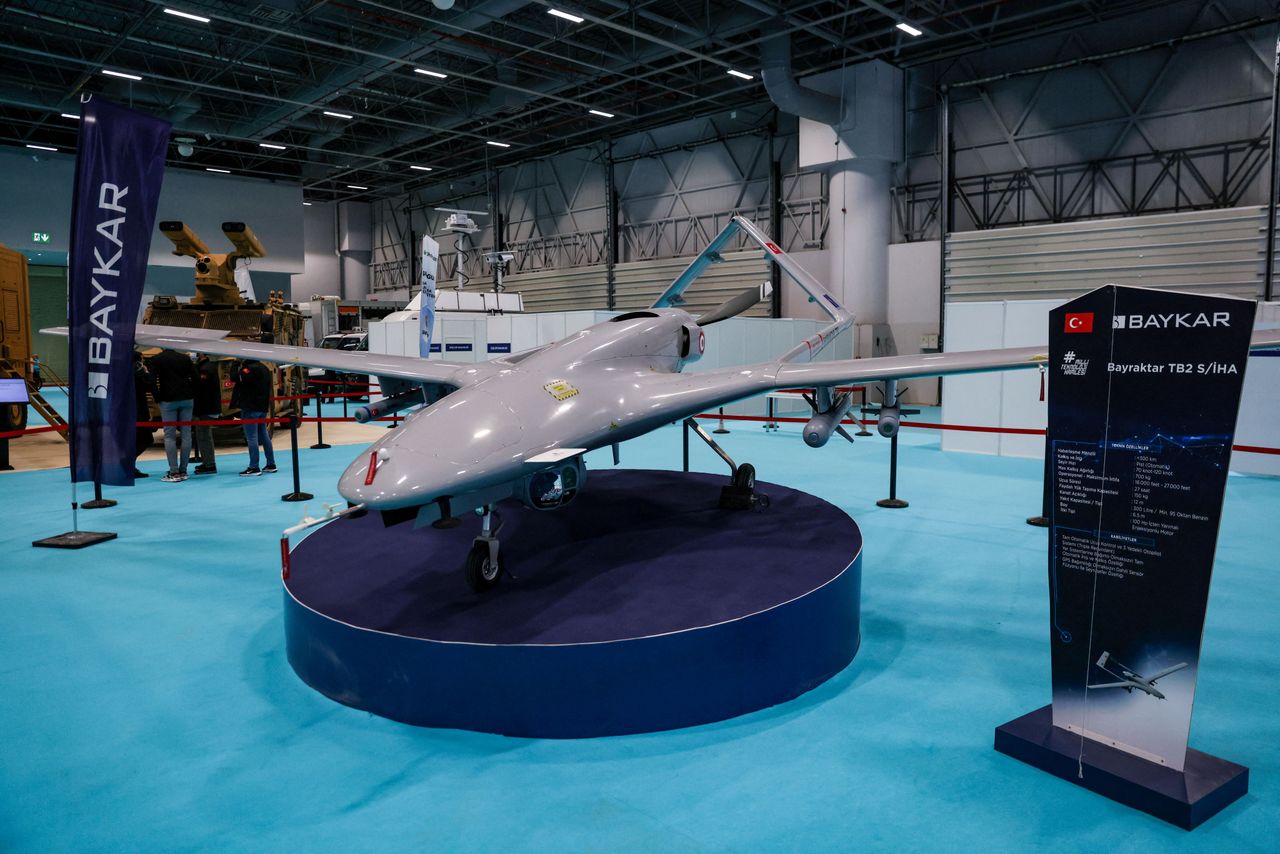
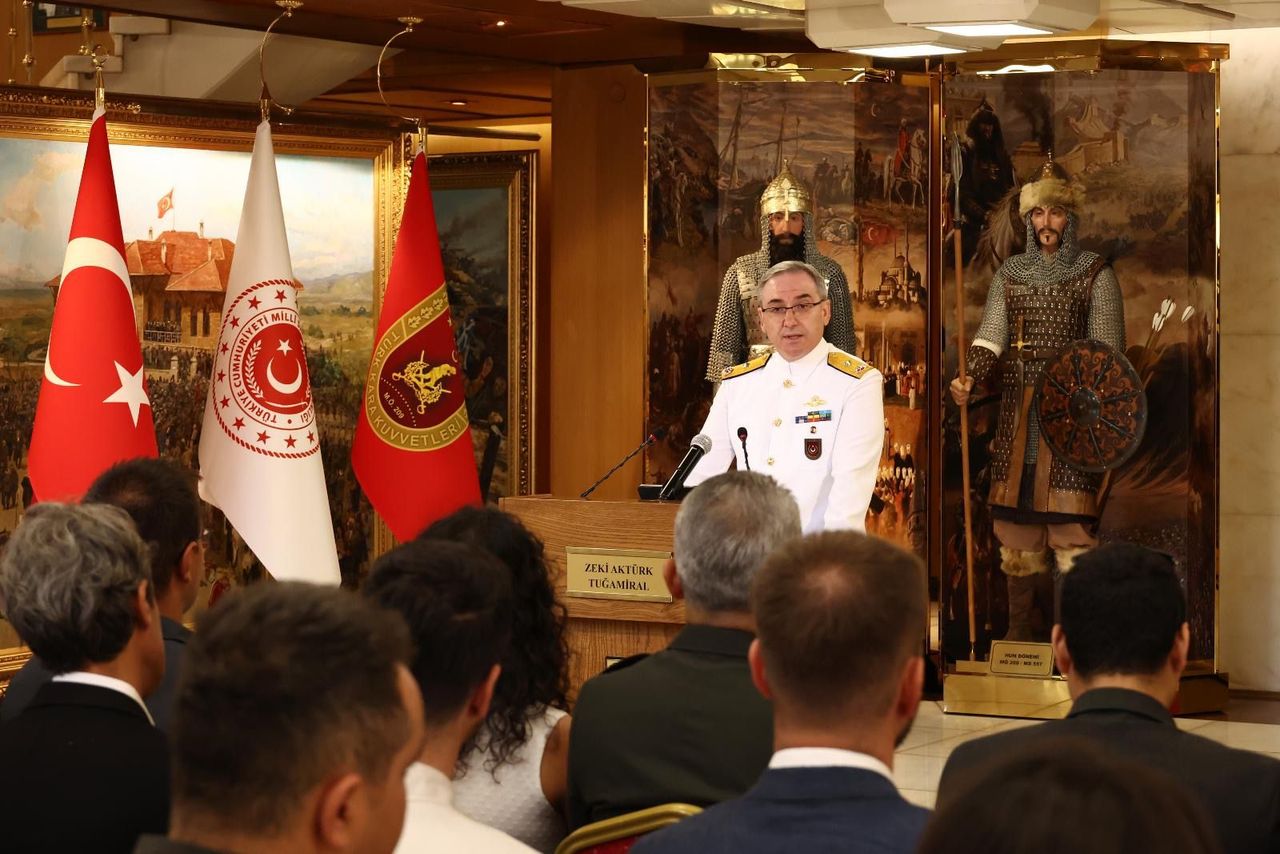
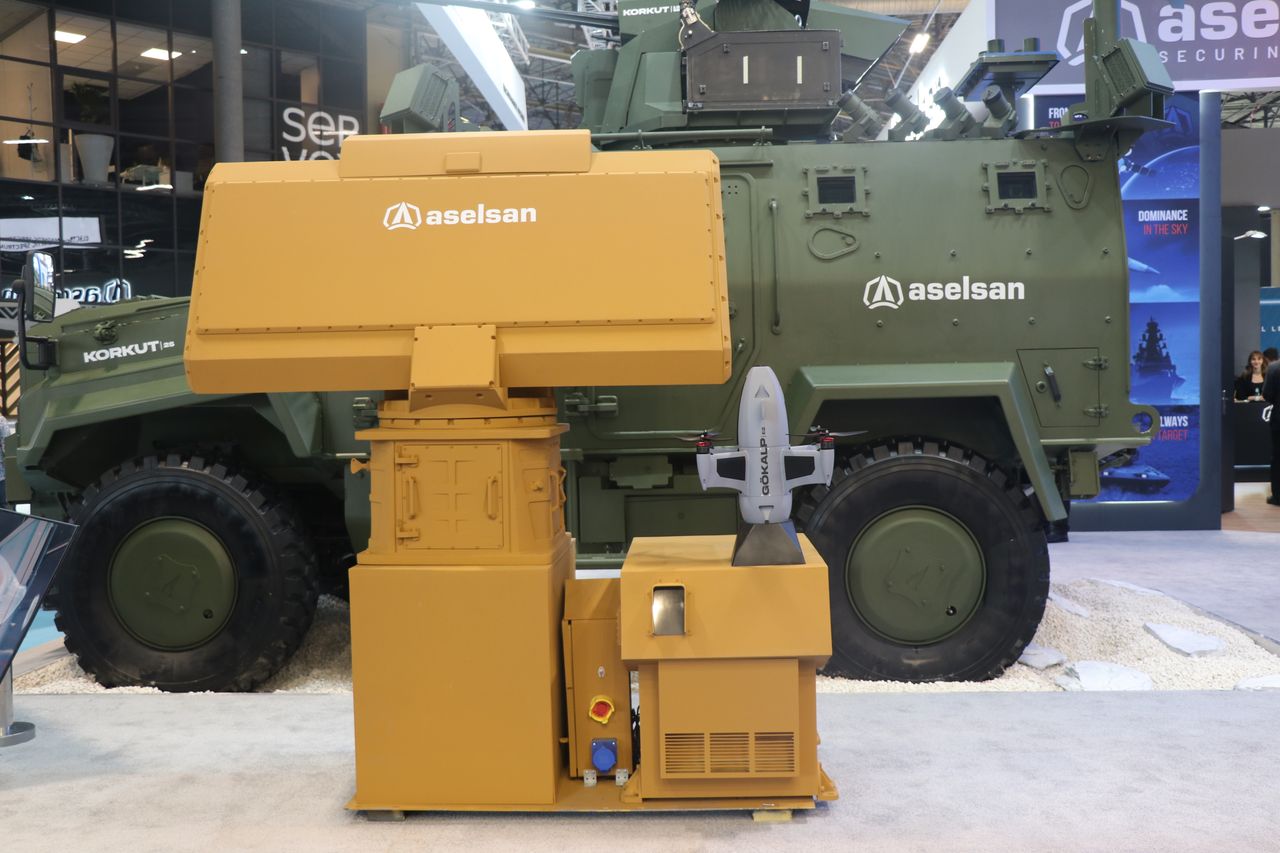
Hosting the summit also reflects Türkiye's growing importance within NATO's evolving defence-industrial ecosystem.
President Erdogan has used the run-up to the summit to emphasise that alliance solidarity should include removing restrictions on defence trade among allies and integrating Türkiye more fully into European defence initiatives.
He has also argued that NATO's agenda must extend beyond Ukraine to encompass instability in the Middle East, Gaza, Iran and broader challenges facing the alliance's southern flank.
These priorities reflect Ankara's broader ambition to position itself not only as NATO's southeastern anchor, but also as an indispensable defence producer and strategic partner.
"As NATO increasingly prioritises defence production, supply chains and industrial resilience, Türkiye's expanding defence-industrial capacity becomes a significant asset," Ozkan said. "The alliance is integrating capable defence producers into its emerging industrial architecture."
Duris sees the summit as recognition of Türkiye's broader geopolitical significance. "Türkiye occupies a uniquely important geographic and political position at the intersection of Europe, the Black Sea region, the Mediterranean and the Middle East," he said.
"It is not a coincidence. It is a conscious, long-term and careful strategy of the current Turkish leadership, combining multiple strategic vectors according to national interest. In the defence industry and technological field, this has brought tangible, rocket-like growth."
EU’s Kallas also underscored Türkiye's growing strategic importance, describing it as NATO's second-largest military with a strong defence industry and "a very, very prominent role" in European security and regional stability. She said closer engagement with Ankara was essential given its influence across the Middle East, the Caucasus and the Black Sea region.
No crisis within NATO
Beyond external security threats, the Ankara Summit will also deliberate on the differences within NATO itself.
US President Donald Trump and his administration's renewed emphasis on burden-sharing and a more transactional approach to alliances have revived debates over Europe's strategic autonomy, while differing European responses to the recent US-Israeli war against Iran have exposed varying threat perceptions and national priorities within NATO.
According to Ozkan, maintaining consensus may now be NATO's greatest challenge. "One of the key lessons from NATO's post-Cold War experience is that the alliance's greatest challenge is not always external threats, but the ability to maintain internal consensus on how to respond."
He argues that NATO's growing emphasis on defence-industrial cooperation is itself an effort to create a new basis for alliance cohesion rooted in shared economic and industrial interests rather than common threat perceptions alone.
Rather than aligning with competing camps, Ozkan expects Türkiye to position itself as a pragmatic balancing actor capable of maintaining dialogue across different regions while emphasising alliance unity.
Duris likewise rejects suggestions that today's disagreements are unprecedented. "Internal relations within NATO have never been entirely harmonious," he noted.
While Trump's rhetoric may appear more transactional than that of previous administrations, he argues the underlying differences ultimately reflect competing national interests rather than a fundamental crisis inside NATO.
"The Iranian conflict is the topic from which most tensions in NATO today stem," he said. "Several European leaders are not enthusiastic about this conflict. It is ultimately about the interests of specific actors."
The debate in Ankara, according to analysts, is therefore likely to extend beyond defence spending and military capabilities. It will also test whether NATO can maintain political cohesion as the alliance confronts simultaneous crises on its eastern and southern flanks, while accommodating increasingly diverse national interests and strategic priorities among its members.