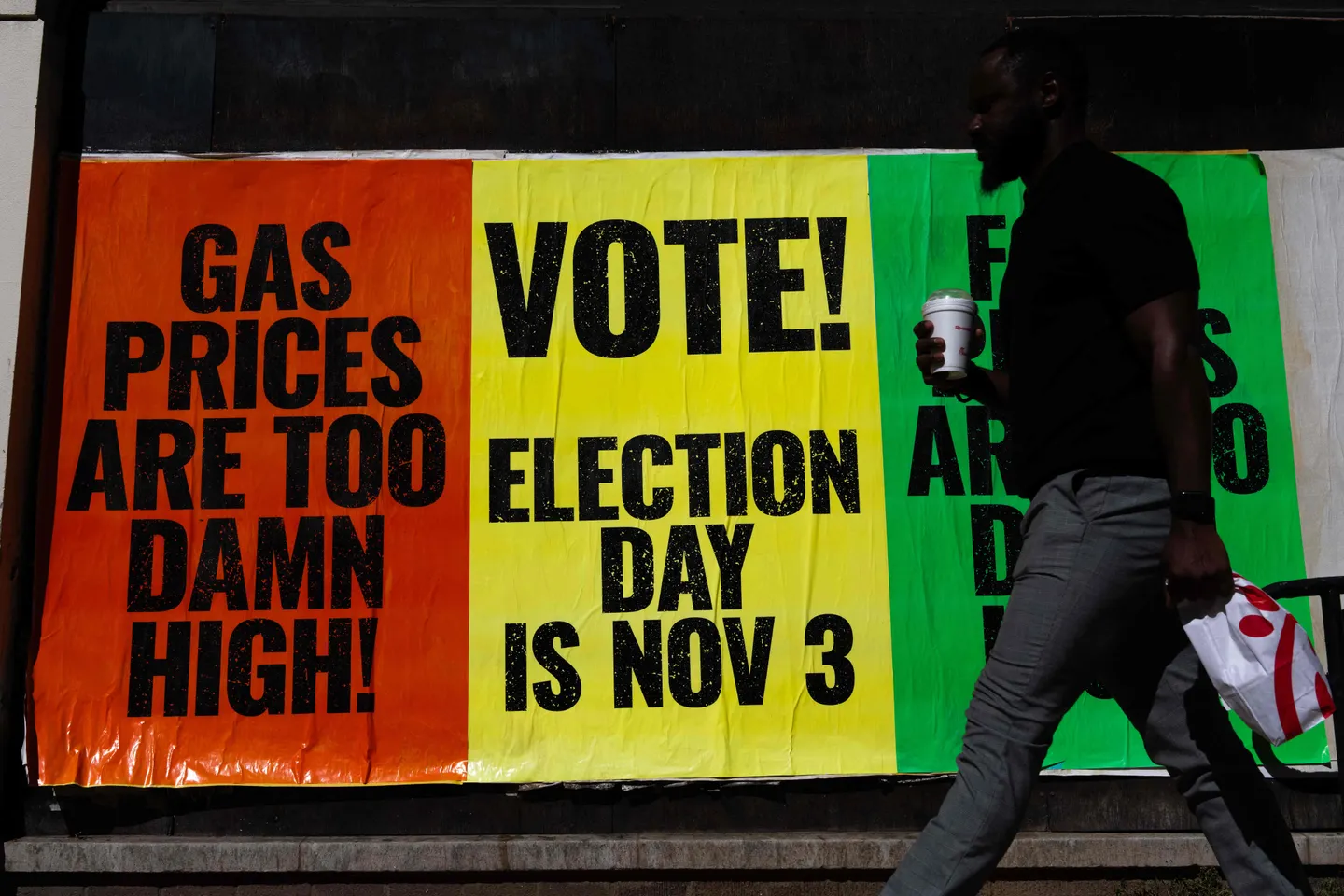
A combination of multiple factors, including economic situation, corruption, war on Iran, and weak Republican candidates, pushed US voters to hand control of Congress to the Democrats, according to a survey of midterm voters in all 50 American states.
After more than a decade with Donald Trump at the epicentre of US politics, most voters appear exhausted and exasperated by him, The AP Voter Poll showed on Wednesday.
Stubborn inflation driven by Iran war
It was impossible for Republican candidates to hide from inflation. Voters could see it clearly in their receipts from grocery stores and gasoline stations. The financial blow of an auto repair or a utility bill after a sweltering summer was inescapable. And even in Republican strongholds such as Texas, the drag caused by inflation helped Democrats.
About 2 in 10 Texas voters said inflation had imposed "severe" hardship on them and their family — and about three-quarters of this group backed Democrat James Talarico for the Senate. An additional 6 in 10 voters, roughly, said inflation had led to "moderate" hardship, and Talarico won the majority of these voters, too.
That same pattern repeated in state after state. Nationally, voters who said they were "very concerned" about everyday costs — including groceries, healthcare and gas — overwhelmingly said they voted for the Democratic candidate in their local U.S. House race.
But it wasn’t just the inflation itself that mattered. Voters nationwide pinned the blame on Republican leader for his tariffs, his war on Iran and his unfulfilled campaign promise two years ago to bring down prices.
Asked about the impact of Trump’s policies, about two-thirds of voters nationwide said they had made the economy worse. And out of this group, about 8 in 10 said they backed the Democratic candidate.
Corruption was a major concern
More than half of voters nationally said government corruption was "crucial" for their vote for Congress. That was a little higher than the share who said the cost of living was "crucial," a striking finding in a year when about 6 in 10 voters said they were personally "very concerned" about the cost of food and groceries.
Meanwhile, despite Republicans’ suggestion that voters cared little about Trump making more than $1 billion last year from meme coins and cryptocurrency, most voters saw Trump as obsessed with his own interests.
Ultimately, about two-thirds of voters said Trump does not have the right priorities — and the overwhelming majority of these voters supported Democratic House candidates.
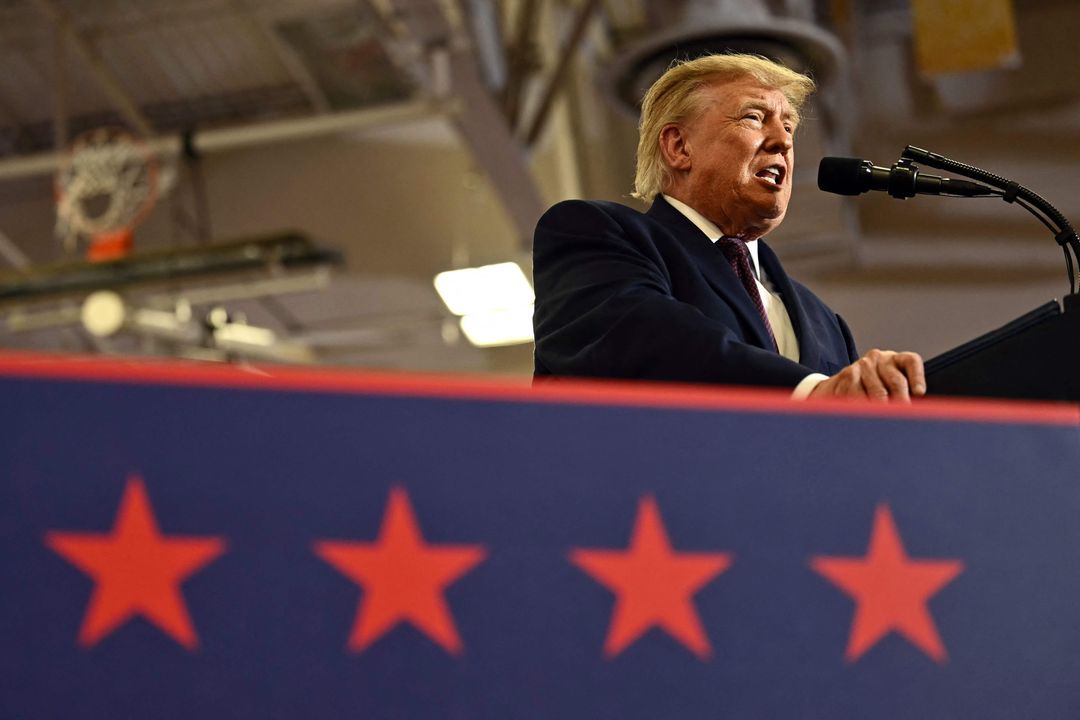
Voters want an assertive Congress


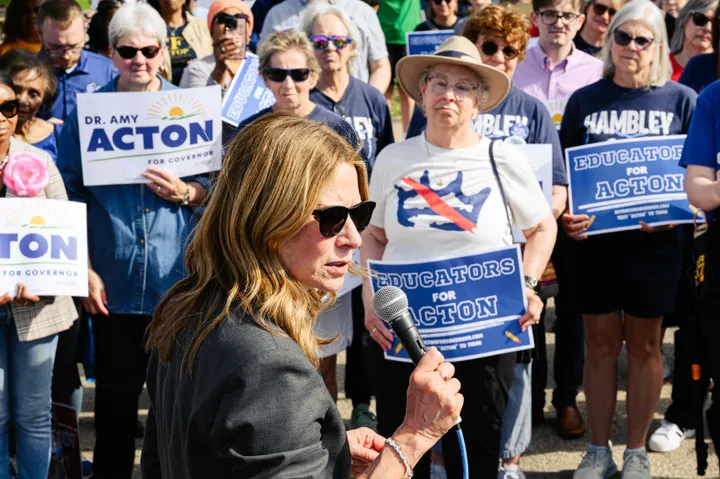





Voters made it clear that they want more congressional oversight.
About 7 in 10 voters said Congress was not doing enough to provide checks and balances for the presidency, including about 4 in 10 Republicans.
Despite Democrats’ victories, voters did not deliver a ringing endorsement of the party as a whole. Many voters expressed frustration with both parties: On the economy, foreign policy, healthcare, taxes and immigration, roughly 2 in 10 voters said "neither" party was better equipped to handle these issues. An even larger share of voters said neither party would be better at addressing government corruption or artificial intelligence.
Those skeptical voters generally broke for Democrats.
But it wasn’t because the party was overwhelmingly popular. Only about half of voters had a "somewhat" or “strongly” favourable view of the Democratic Party. That was higher than the approximately 4 in 10 who viewed the GOP positively, but not by much. About 2 in 10 voters who supported Democratic candidates had a negative view of the party as a whole.
Instead, in key races, voters seemed to be looking to Democratic candidates for change. In Maine, for instance, most voters who said having a candidate with “the right experience” mattered most to their Senate decision chose Republican incumbent Susan Collins. But more voters cared about bringing about "needed change," and they favored Democrat Troy Jackson.
Republicans chose weak candidates
Trump endorsed Republicans who turned off voters — and that put areas that were once safely with the GOP at risk.
After Senator Lindsey Graham of South Carolina died in July, the president chose the late senator’s sister, Darline Graham, to fill his seat. The new Senator Graham then promptly decided to seek election and struggled on foreign policy questions that were once her brother’s forte.
About 6 in 10 voters in the South Carolina Senate race said she lacked the experience to serve in the Senate.
During the Texas Republican primary, Trump ultimately backed the state’s attorney general, Ken Paxton, over its sitting senator, John Cornyn. Paxton was scandal-ridden and had been impeached but not convicted. About two-thirds of Texas Senate voters said he lacked the character to be a senator.
The president prized loyalty in Republican candidates. That hurt Republican candidates in many states.
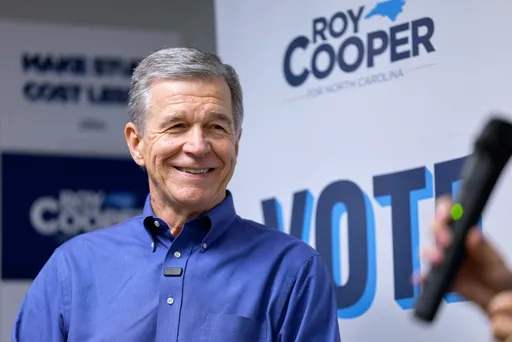
In North Carolina, as in several other states, about 6 in 10 voters said the state's Republican Senate nominee, Michael Whatley, was "too supportive" of Trump. They chose former Governor Roy Cooper, a Democrat, for the Senate instead.