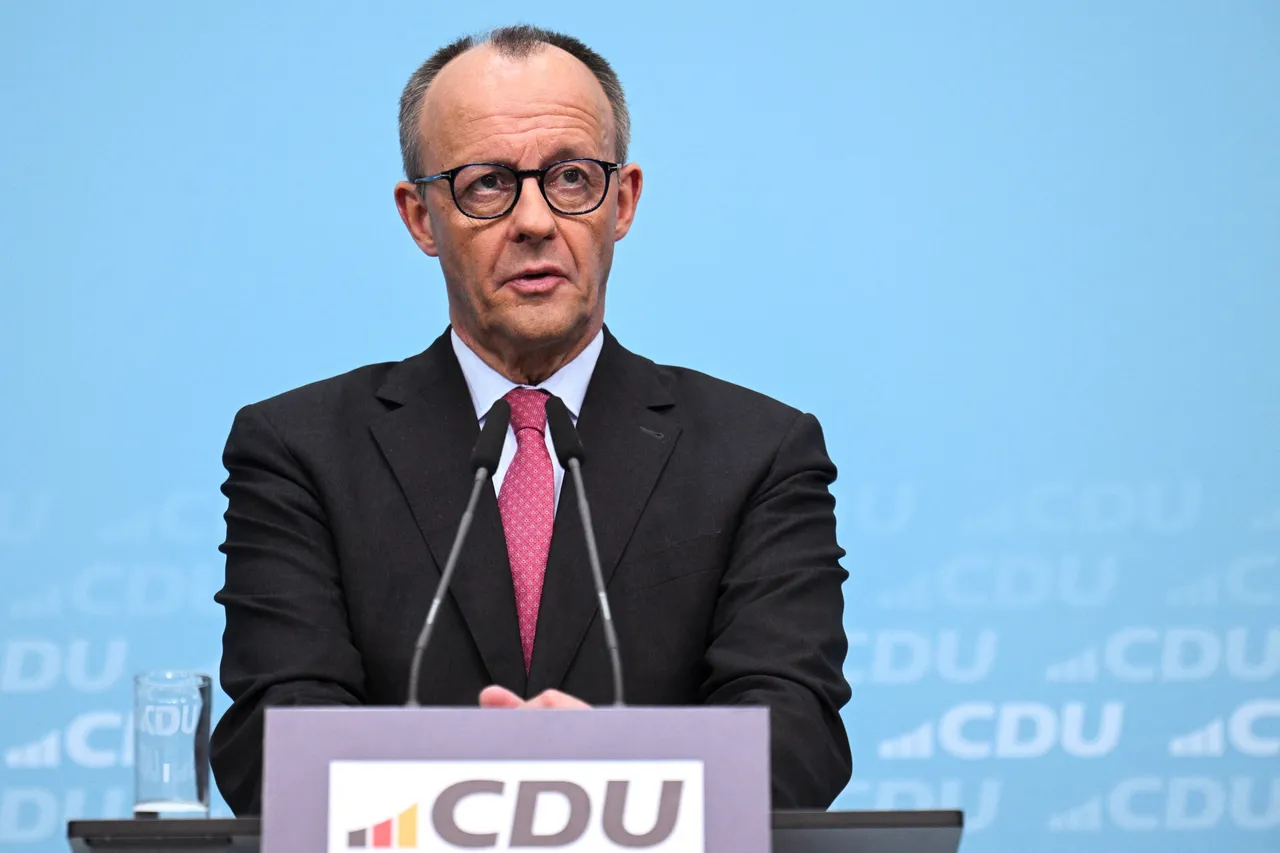
German Chancellor Friedrich Merz has underlined growing concern in Europe at the US and Israeli war against Iran, saying a "dangerous escalation" was underway with "clearly no joint plan" for bringing it to an end.
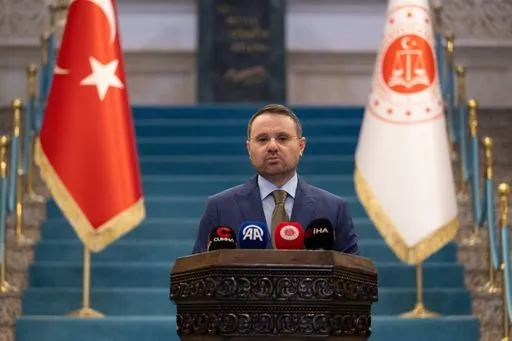
"We are particularly concerned that there is clearly no joint plan for bringing this war to a swift and convincing end," Merz said at a joint press conference on Tuesday in Berlin with Czech Prime Minister Andrej Babis.
"We have no interest in a war without end. We have no interest in the dissolution of Iran's territorial integrity, statehood or economic viability," he added.
The world needed "a stable, viable Iran as part of a regional peace and security order in which neither Israel nor other partners are threatened," he said.
"A scenario such as we have seen in Libya, Iraq, or other countries in the region would also harm us all," he said. "This affects our security, our energy supply, and possibly also the situation surrounding migration."
‘Questions were arising’
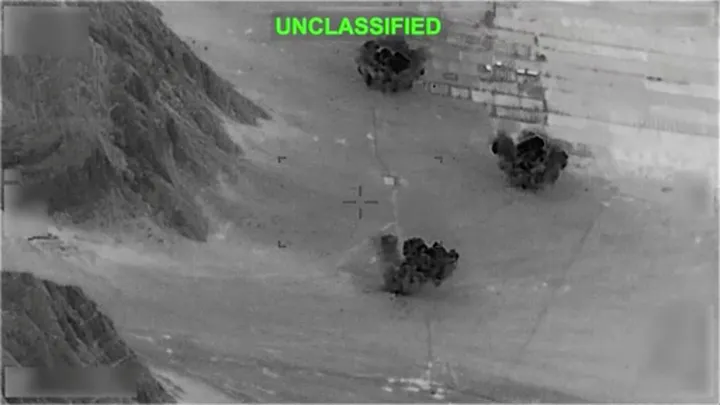
Merz said that Germany shared "many of the goals" of the US and Israeli operation, which killed Iran's Supreme Leader Ali Khamanei, but he said questions were arising with each day that passed, amid signs of a dangerous escalation.
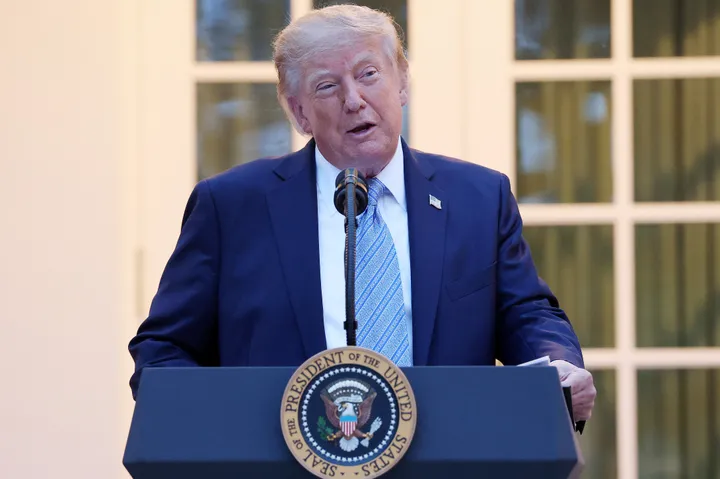
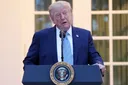
Merz's comments, which echoed remarks he made at the end of last week, came after US President Donald Trump said the war could end "soon" but also said the US could escalate its attacks if Iran sought to block tanker traffic through the Strait of Hormuz.
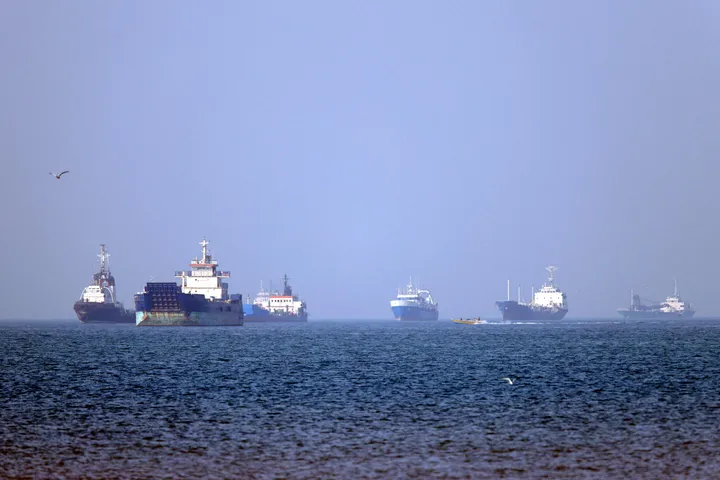
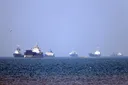
The remarks reflect the concern in Europe at the economic damage inflicted by any prolonged closure of the Strait of Hormuz, through which a fifth of the world's oil passes, as well as by fears of the disorder that would follow a breakdown in Iran's state institutions.
Strait of Hormuz
The leaders of the UK, Germany, and Italy discussed the situation in the Middle East, including the Strait of Hormuz, and agreed on the critical importance of freedom of navigation for vessels, according to an official statement issued on Tuesday.
The readout was issued by the British prime minister's office after Keir Starmer spoke on the phone with Italian counterpart Giorgia Meloni and German Chancellor Friedrich Merz about the latest situation in the Middle East amid regional tensions.
Discussing the Strait of Hormuz, the leaders agreed on the vital importance of freedom of navigation for vessels through these waters.
"They agreed to work closely together in the coming days in the face of Iranian threats," the statement added.
Iran effectively closed the Strait of Hormuz around March 1. The strategic waterway normally handles about 20 million barrels of oil shipments daily and roughly 20 percent of the global liquefied natural gas trade.