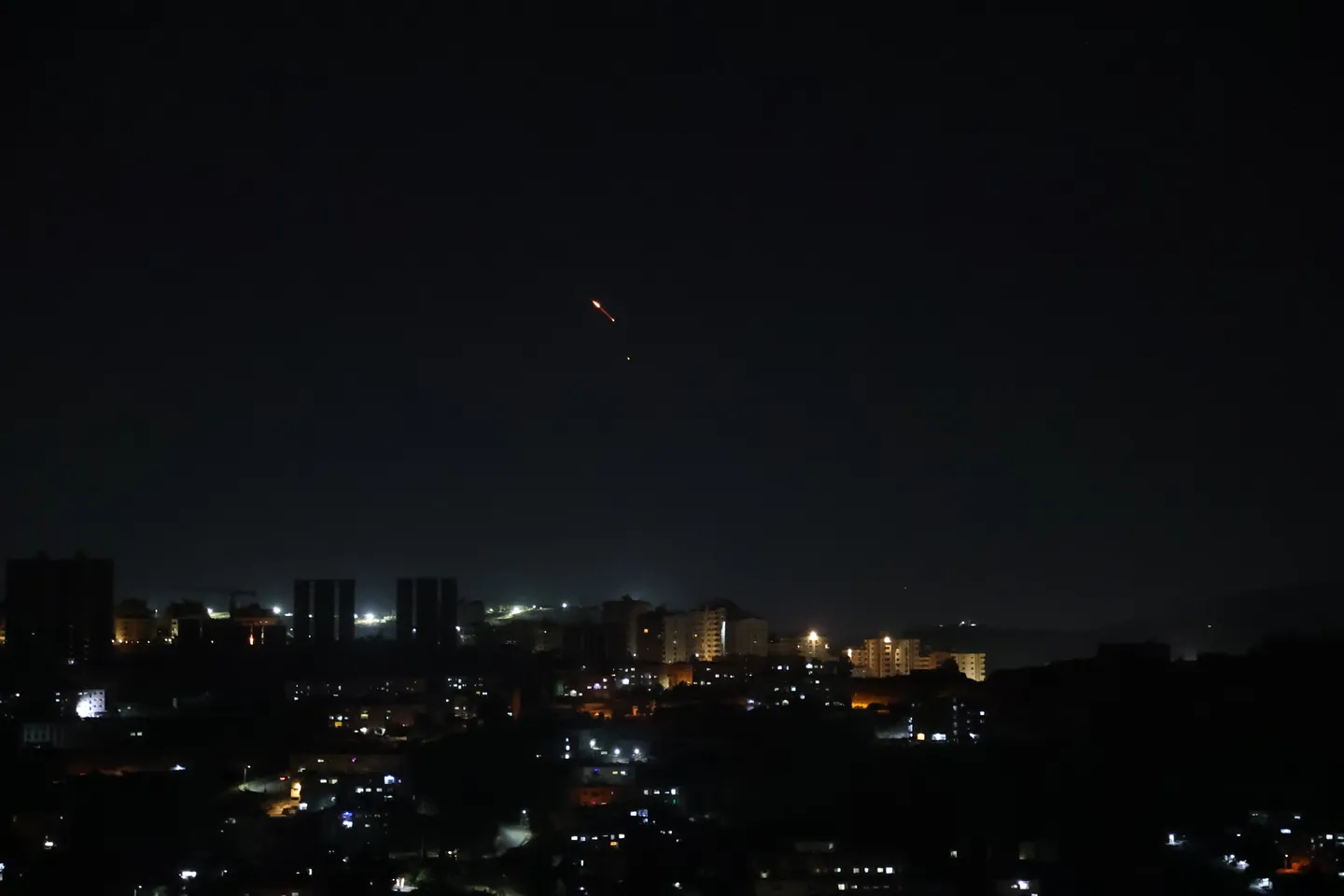
The US military fired as many as 70 Patriot interceptors and more than a dozen THAAD missiles to counter a recent Iranian ballistic missile attack on Jordan, highlighting growing pressure on Washington’s air-defence arsenal, The Wall Street Journal reported on Tuesday.
US forces used between 60 and 70 Patriot interceptors against an Iranian barrage involving about 20 ballistic missiles, while more than a dozen Terminal High Altitude Area Defense (THAAD) interceptors were also launched, according to US and regional officials cited by the Journal.
The expenditure was roughly equivalent to the number of interceptors US forces had used over an entire week at other points in the conflict, the report said.
Iranian missiles reportedly used warheads that separated into multiple projectiles as they approached their targets, making them more difficult to intercept.
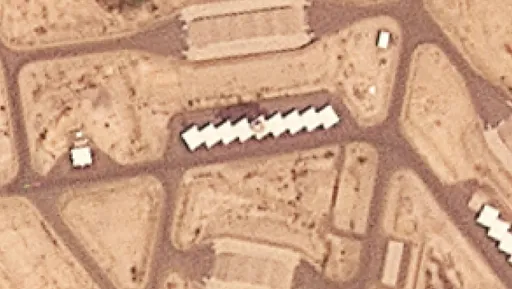
Some missiles also reached Muwaffaq Salti Air Base in Jordan, damaging fighter jets and other aircraft, although no US personnel were killed in the latest attack, according to the Journal.
Iran adapts missile tactics
US officials told the Journal that Iranian attacks have become increasingly sophisticated, combining different missile types, trajectories, maneuvers and warhead designs in attempts to penetrate American defences.
The latest attack adds to the heavy use of US missile defences during the conflict.
By mid-July, US forces had fired about 1,700 Patriot and more than 200 THAAD interceptors, while US Navy ships had launched roughly 150 Standard Missile interceptors against Iranian missiles and drones, according to officials cited by the Journal.
The high expenditure has raised concerns about Washington's ability to replenish stocks quickly, as well as its capacity to respond to potential threats in other regions, including Europe and the Indo-Pacific.






The Defense Department's inspector general has also warned of “strategic inventory shortfalls” and bottlenecks in the US industrial base that could hinder munitions resupply.
Pentagon rejects shortage claims
The Pentagon has rejected suggestions that US interceptor stocks are depleted.
“Reports suggesting that the United States’ munitions are depleted are completely false,” Pentagon spokesperson Sean Parnell said, adding that the US military remains capable of responding to threats.
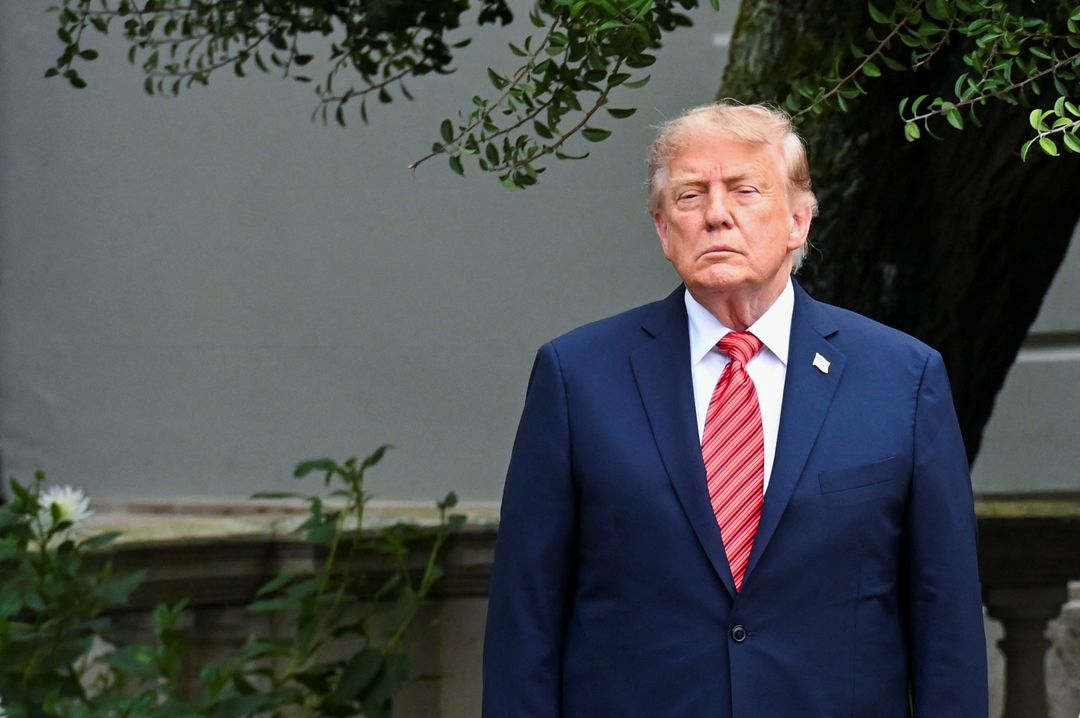
President Donald Trump has likewise said the US maintains large stocks of interceptors and is increasing production.
Lockheed Martin, which manufactures Patriot interceptors, produced 620 in 2025 and is seeking to raise annual production to about 2,000, according to the Journal.
Admiral Brad Cooper, commander of US Central Command, also said separately that he was not concerned about interceptor shortages and that American forces remained prepared for potential contingencies.
The pressure is nevertheless being felt across the region.
Gulf states have sought additional air-defence munitions following months of Iranian missile and drone attacks, while the demand for interceptors has also affected the availability of systems for Ukraine as it defends against Russian strikes.