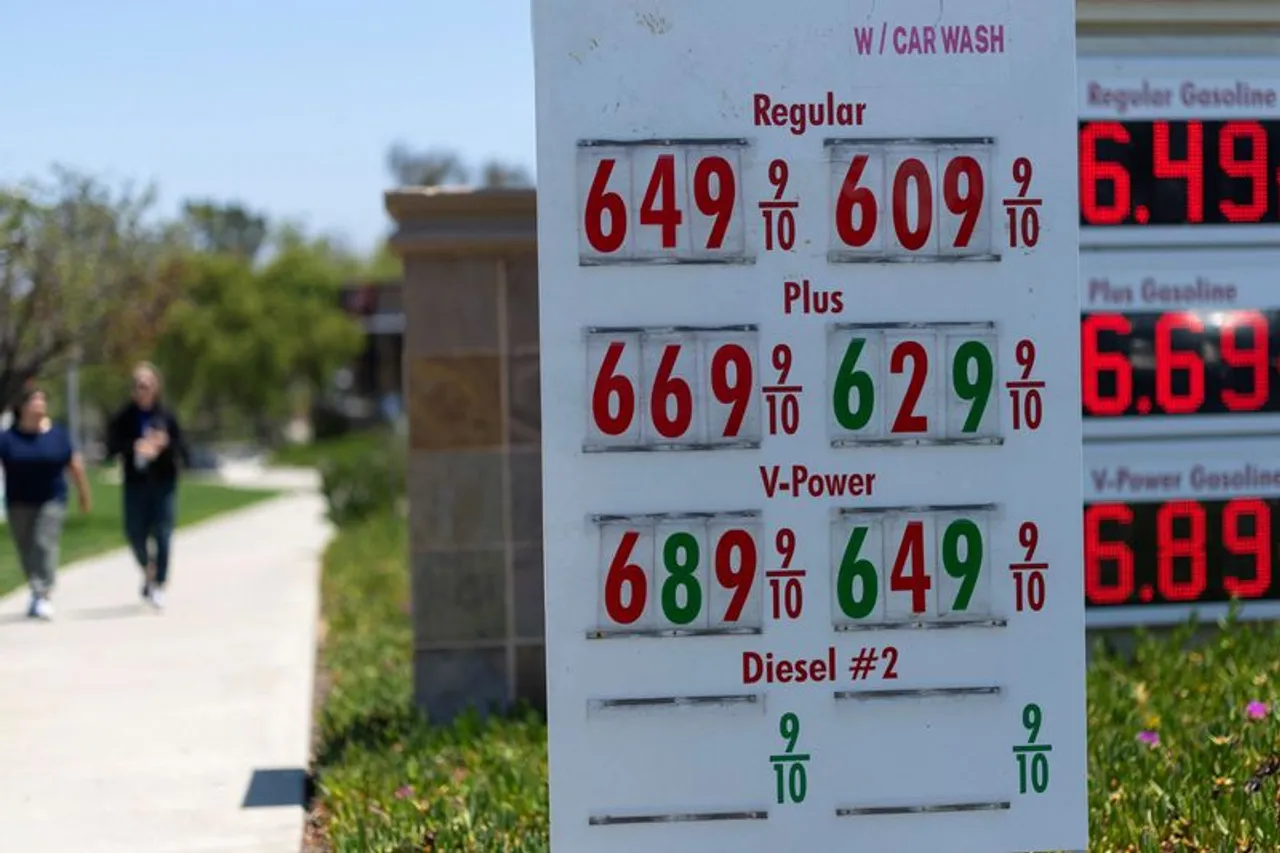
Americans have spent over $40 billion on extra gasoline and diesel costs, above what they had been paying in February 2026, when US joined Israel in attacking Iran, a new study shows.
The war has killed and wounded thousands, mostly Iranians, spiked global energy prices and inflation, and placed Middle East back into open warfare.
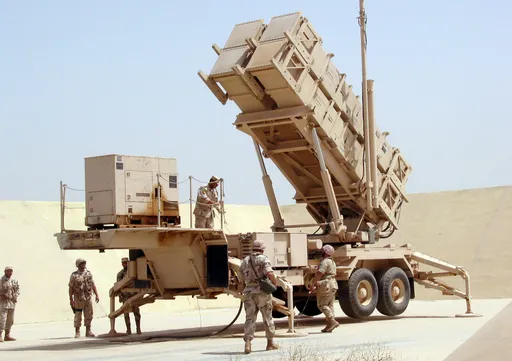
"The costs of the Iran war that started on February 28, 2026 extend well beyond the missiles, bombs, and deployment of personnel and munitions that have totaled upwards of $29 billion thus far," the Watson Institute for International and Public Affairs at Brown University said in its latest finding on Monday.
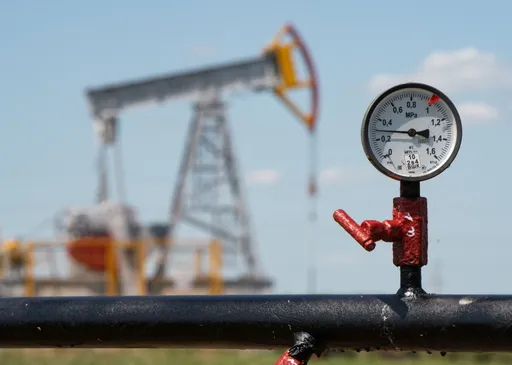
"As summer travel season arrives, this report, in collaboration with the Climate Solutions Lab, outlines one additional cost: the extra fuel costs to consumers since the start of the war, which top $40 billion, or more than $300 per household," the report said.
It said the US-Israeli war on Iran and its retaliation has caused a massive economic consequences for the global economy "such as higher fuel, food, and consumer goods prices, among others."
It said the war has placed "additional financial burden placed on American consumers by higher gasoline and diesel prices following the start of the war."
The study also noted how the US could have alternatively allocated those funds.
The US’ aggregate extra fuel costs since February 28 could fund the entire federal Bridge Investment Programme announced in 2024 to repair, restore, and modernise over 10,200 of the country’s bridges.
The additional fuel costs "exceed the estimated cost of completely redoing the US air traffic control system ($31.5 billion)," the researchers said.
According to the study, the additional fuel costs are more than double the $18.9 billion allocated under two federal EV charging and electrification programmes.
"On average, each US household has paid over $300 more for gasoline and diesel since February 28, 2026, than it would have without the war. Overall, the higher prices resulting from this conflict increase the everyday costs of Americans. This data shows that energy price shocks function as an economy-wide, unacknowledged tax on households, with costs comparable to large federal programs and policies," the study said.
War-related energy spike







The US joined Israel in attacking Iran on February 28, with strikes quickly killing the longtime supreme leader, Ali Khamenei, and much of the other top Iranian brass as well as hundreds of civilians.
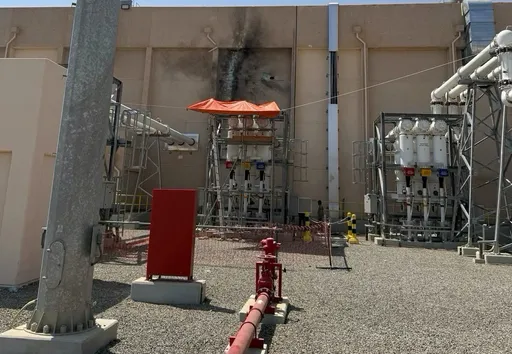
But Iran quickly hit back by exerting control over the Strait of Hormuz, the narrow passageway through which one-fifth of global oil once sailed, and it has rained missiles and drones on US-allied Gulf Arab monarchies, shattering the oil-rich countries' hard-earned reputation for stability.
The total number of people killed in the US-Israeli war on Iran is estimated at approximately 6,500–9,100 across the Middle East. Most casualties have been recorded in Iran, where at least 3,468 people, including hundreds of children and women, have been killed in US and Israeli attacks.
Iran has largely blocked shipping through the vital strait. Its grip over the waterway has rattled global markets and given Tehran significant leverage, while the US has imposed its own naval blockade on Iranian ports.
In peacetime, the route accounts for roughly a fifth of global oil and liquefied natural gas shipments, along with other key commodities including fertiliser. Oil prices have held at or above $100 a barrel since late February.
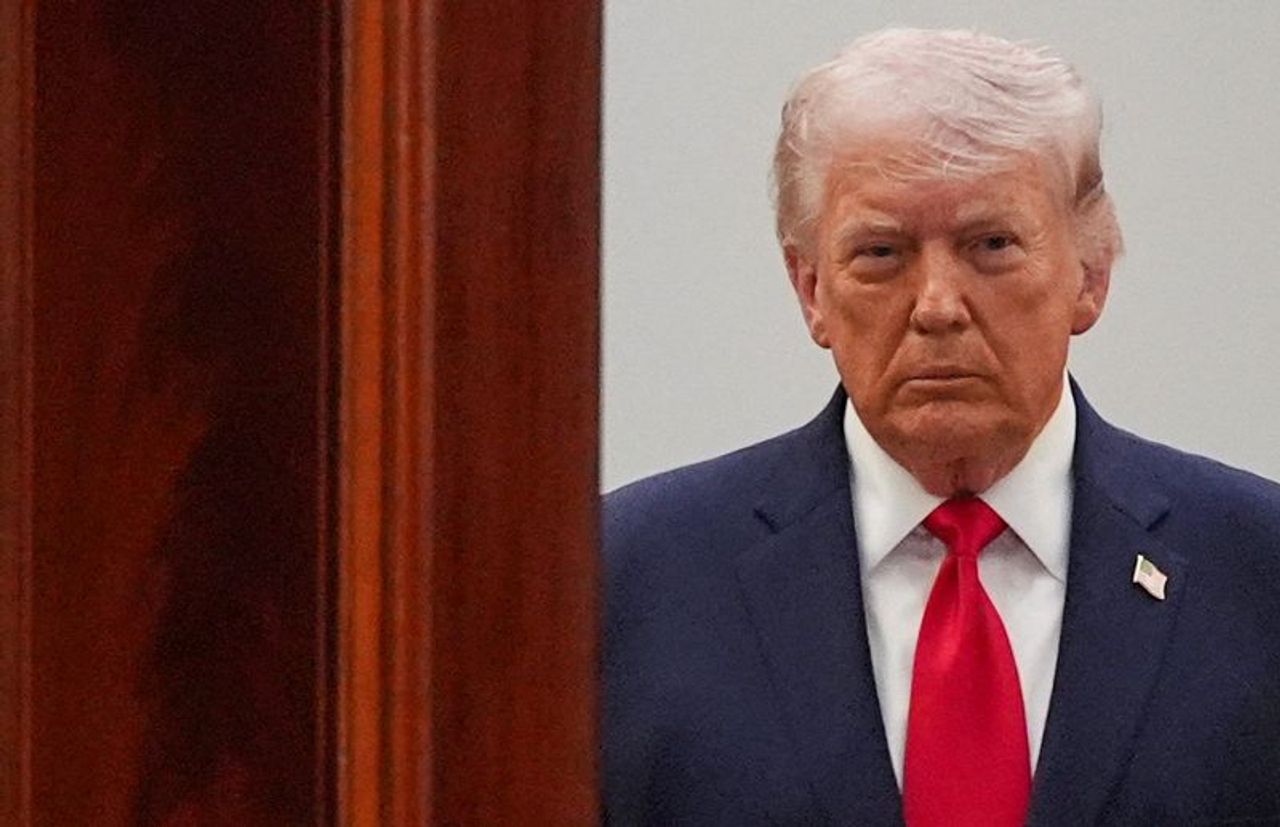
Following Pakistani mediation, a ceasefire began on April 8. Despite failed talks in Islamabad, President Trump later extended the truce indefinitely.
Since the truce began, Washington and Tehran have swapped proposals in an effort to end the conflict.
On Monday, Iran said it had responded to a new US proposal aimed at ending the war, adding that diplomatic exchanges continue despite Iranian media reports describing Washington's demands as excessive.
With talks between Iran and the US at a standstill, tensions remain high and threaten to tip the Middle East back into open warfare and prolong the worldwide energy crisis sparked by the conflict.
Economists widely attribute the energy spike directly to the oil shock from the war. Even with a temporary ceasefire in early April and ongoing tensions, energy costs have stayed elevated and are feeding through to consumer prices.
Fuel prices, groceries and other basic necessities are rising at a time when Americans are already frustrated by the high cost of living.
Affordability is likely to be a key issue when voters go to the polls November 3 to determine whether President Donald Trump's Republican Party maintains control of the US Senate and House of Representatives.