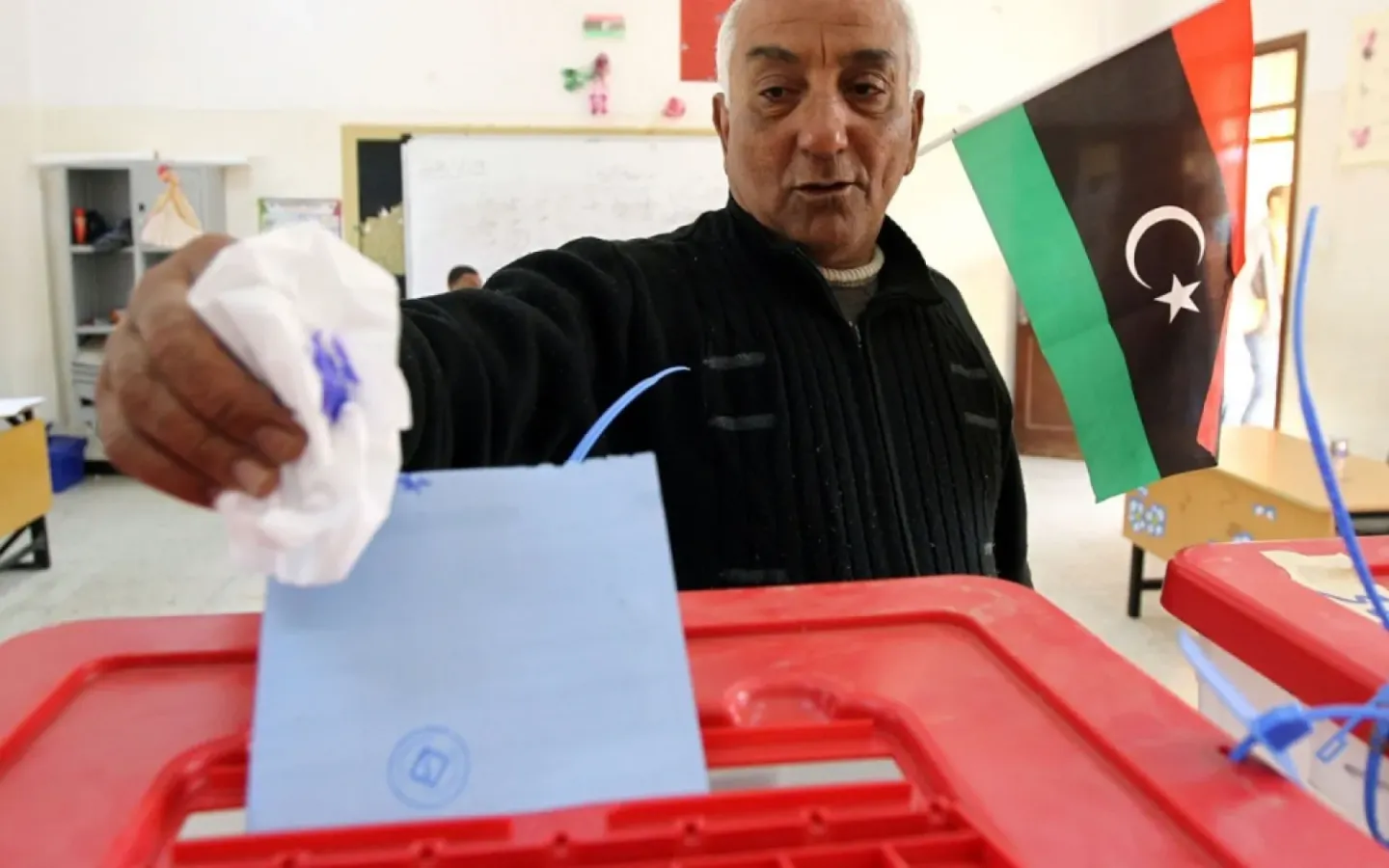
Libya’s three most influential political leaders have agreed on a roadmap to hold simultaneous presidential and parliamentary elections before February 2027, marking a significant step toward ending the country’s prolonged political transition.
The agreement was reached during a meeting involving Speaker of the House of Representatives Aguila Saleh, High Council of State Chairman Mohammed Takala, and Presidential Council Chairman Mohamed al-Menfi, according to a joint statement issued after the talks on Thursday.
The leaders said they had adopted a principles document that will serve as a roadmap to end Libya’s years-long transitional period and pave the way for nationwide elections.
The roadmap calls for completing the constitutional and legal framework needed to organise presidential and parliamentary polls, while also seeking to unify key sovereign institutions and strengthen national sovereignty.
Committee to oversee the electoral process
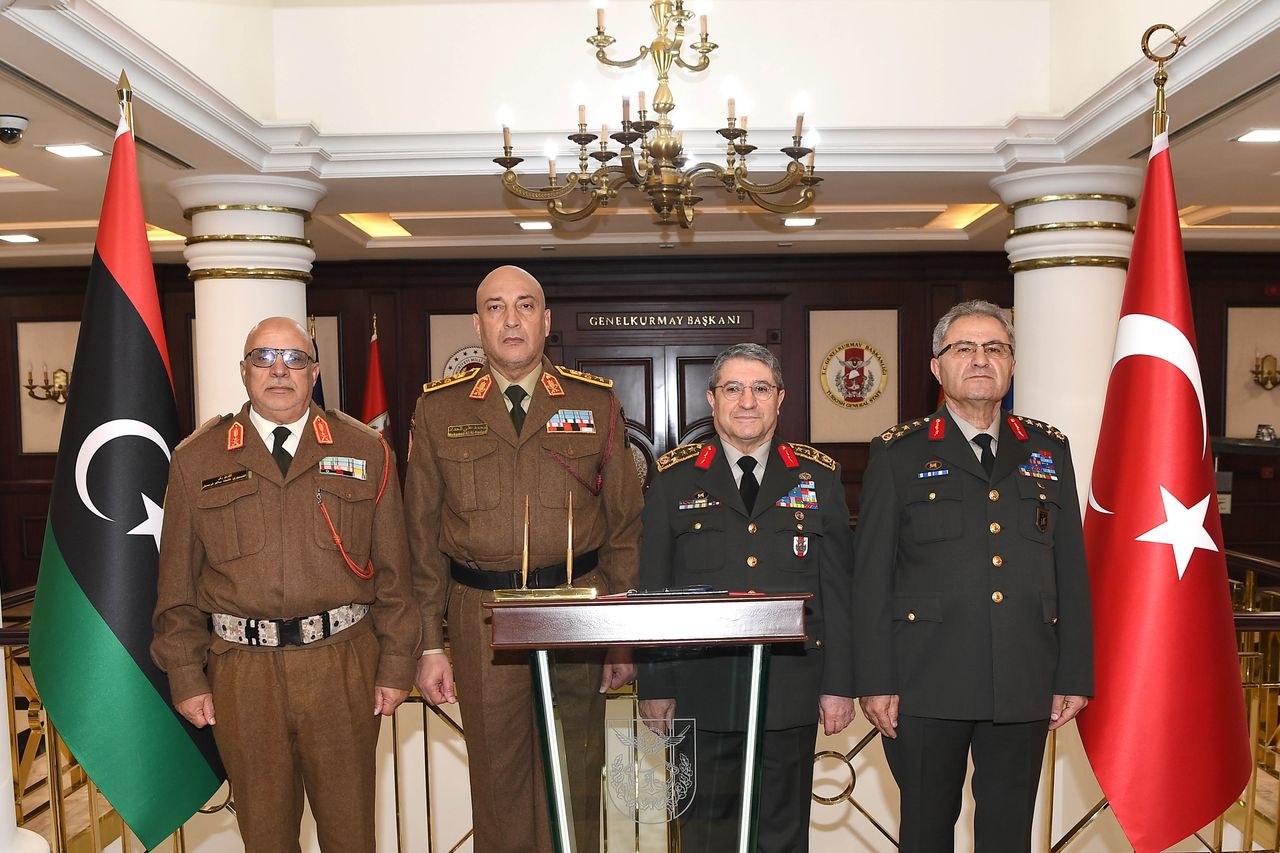
As part of the agreement, the three leaders decided to establish a supreme committee tasked with supervising the implementation of the roadmap and overseeing the steps required to complete the electoral process.
The document also outlines economic and financial reforms aimed at safeguarding public funds and preserving the unity of state institutions ahead of the vote.




The leaders reaffirmed their commitment to the 2011 Constitutional Declaration and its amendments, the Libyan Political Agreement signed in Morocco in 2015, and the outcomes of a previous trilateral meeting held in Cairo under the auspices of the Arab League.
They pledged to move forward with the roadmap while allowing for adjustments reflecting political developments and national initiatives, with the goal of ensuring simultaneous presidential and parliamentary elections.
Failed nationwide election attempts
Libya has remained politically fragmented for years, with rival administrations controlling different parts of the country.
Repeated attempts to hold nationwide elections have failed amid disputes over the constitutional basis for voting and the eligibility criteria for candidates.
The new agreement represents one of the clearest commitments in recent years by Libya’s competing political institutions to move toward a unified electoral process and bring the country’s transitional phase to a close.