The Israel-US war on Iran is beginning to have collateral damage on the world economy.
The conflict is driving up energy and fertiliser prices, threatening food shortages in poor countries, pushing down stock indexes, damaging the economies of states such as Pakistan, and complicating options for central banks on how to fight inflation.
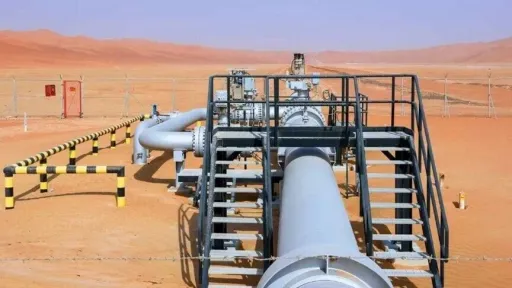
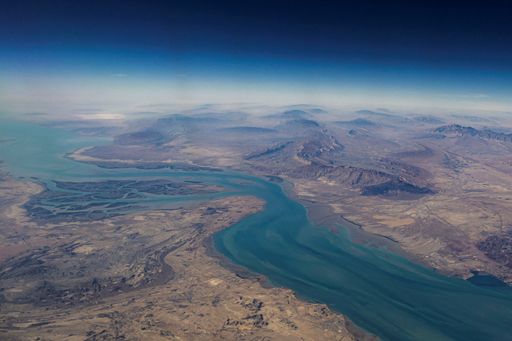
Global economic woes have multiplied since Iran shut down the Strait of Hormuz — through which a fifth of the world’s oil passes — after the US and Israel launched missile strikes on February 28 that killed Iranian leader Ali Khamenei.
“For a long time, the nightmare scenario that deterred the US from even thinking about an attack on Iran and which got them to urge restraint on Israel was that the Iranians would close the Strait of Hormuz,” said Maurice Obstfeld, a senior fellow at the Peterson Institute for International Economics and former chief economist at the International Monetary Fund.
“Now we’re in the nightmare scenario.”
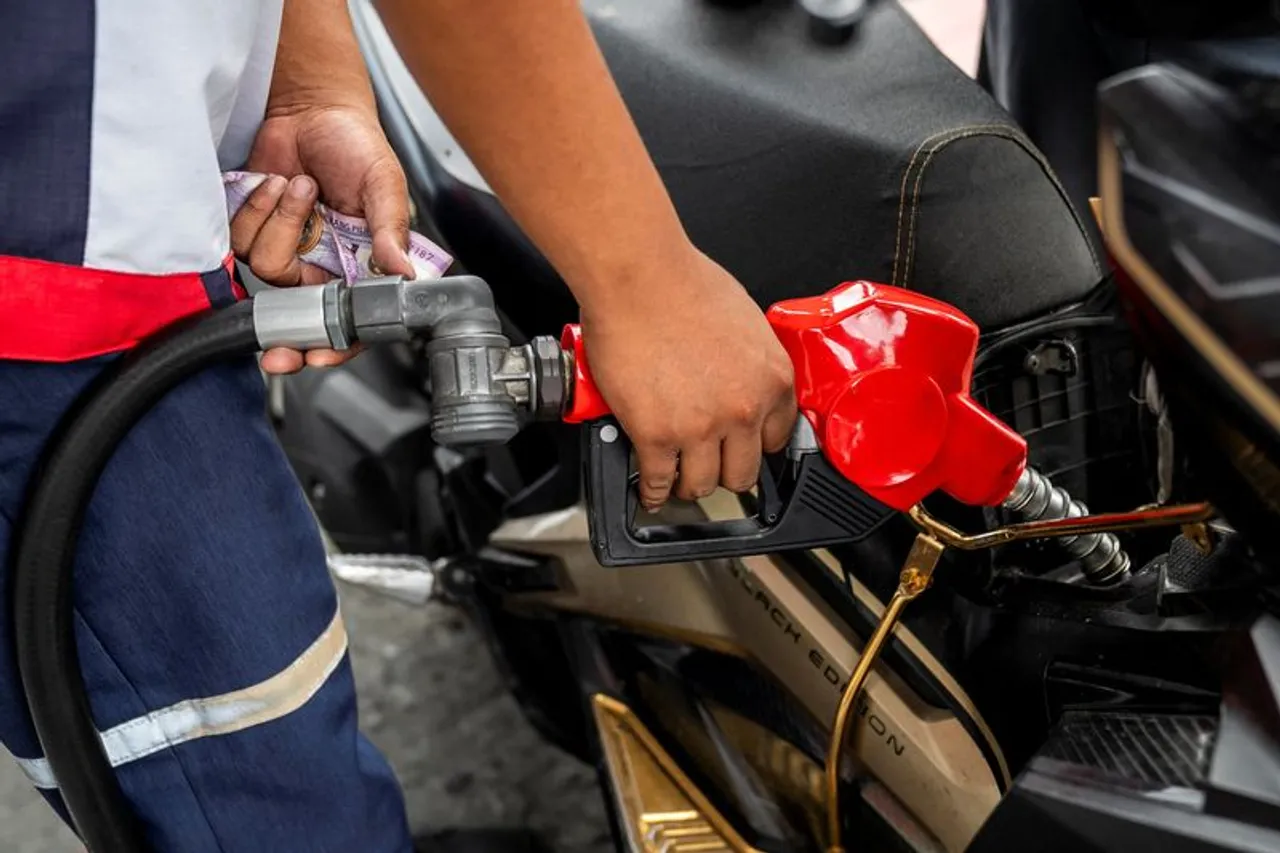
With a key shipping route cut off, oil prices have surged — from less than $70 a barrel on February 27 to a peak of nearly $120 early on Monday before settling closer to $90. This has pushed up the gasoline price as well.
According to the American Automobile Association (AAA), the average price of US gasoline has shot up to $3.48 a gallon from just under $3 a week ago. Price hike could be felt even more significantly in Asia and Europe, which are more dependent on Middle Eastern oil and gas than the United States.

Millions of barrels off market
Every 10 percent increase in oil prices – provided they persist for most of the year – will push up global inflation by 0.4 percentage points and reduce worldwide economic output by as much as 0.2 percent, said Kristalina Georgieva, managing director of the International Monetary Fund.
“The Strait of Hormuz has to be reopened,” said economist Simon Johnson of the Massachusetts Institute of Technology and recipient of the 2024 Nobel Memorial Prize in Economic Sciences.
“It’s 20 million barrels of oil a day going through there. There’s no excess capacity anywhere in the world that can fill that gap.”
The world economy has shown it can take a punch, absorbing blows from the Russia’s war with Ukraine four years ago and from President Donald Trump’s massive and unpredictable tariffs in 2025.
Many economists express hope that global commerce can stagger through the latest crisis.
“The world economy has shown itself capable of shaking off significant shocks like broad US tariffs, so there is room for optimism that it will prove resilient to the fallout of the war on Iran,” said Eswar Prasad, professor of trade policy at Cornell University.
Timing is everything
Especially if oil prices can fall back to the $70-to-$80-a-barrel range, wrote economist Neil Shearing of Capital Economics, “the world economy may absorb the shock with less disruption than many fear.”
But a lot of ifs hang over this assessment.






“The question is how long is it going to go on?” said Johnson, also a former IMF chief economist.
“It’s hard to see Iran backing down now that it’s announced this new leader.”
Also muddying the outlook for an end to the crisis is uncertainty about what the United States is trying to achieve. “This is all about President Trump,” Johnson said. “It’s not clear when he’s going to declare victory.’’
Economic winners and losers
For now, the war is likely to create economic winners and losers.
Energy importers — most of Europe, South Korea, Taiwan, Japan, India and China — will get clobbered by higher prices, Shearing wrote in a commentary for London’s Chatham House think tank.
Pakistan finds itself in an especially bleak position.
The South Asian country imports 40 percent of its energy and relies especially heavily on liquified natural gas from Qatar, supplies of which have been cut off by the conflict. Higher energy prices will squeeze Pakistani families and damage their economy.
Far from cutting interest rates to provide some relief, though, the country’s central bank will probably have to raise them instead, say economists Gareth Leather and Mark Williams of Capital Economics.
That is partly because inflation remains uncomfortably high in Pakistan — and higher energy prices threaten to make it worse.
Oil-producing countries outside the warzone — Norway, Russia, Canada — will benefit from high oil prices without the risk of missile and drone attacks.
Energy isn’t the only issue. Up to 30 percent of world fertiliser exports – including urea, ammonia, phosphates, and sulfur – pass through the Strait of Hormuz, according to Joseph Glauber of the International Food Policy Research Institute.
Disruption in the Strait has already cut off fertiliser shipments, raising costs for farmers – and is likely pushing food prices higher.
“Any countries with significant agriculture sectors, including the United States, would be vulnerable,’’ Obstfeld said.
“The effects are going to be most devastating in low-income countries where agricultural productivity may already be challenged. Add this extra cost component and you get the prospect of significant food shortages.”