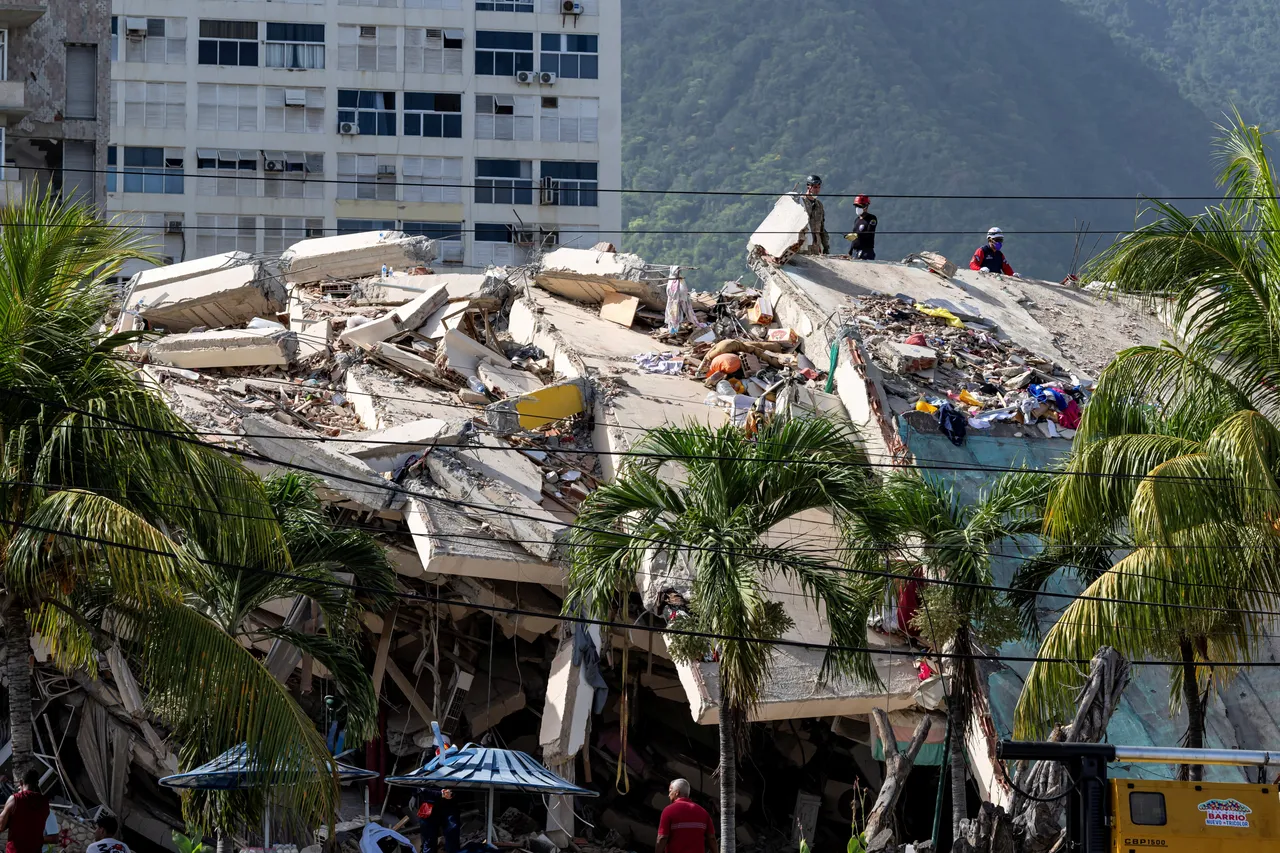
The death toll in Venezuela's twin earthquake disaster has reached 1,430, and millions more were feared to lack sanitation and other basic needs, as the United Nations estimated damage worth $6.7 billion in the country.
National Assembly President Jorge Rodriguez provided the latest official toll on Saturday, saying that 3,238 people had also been injured. UN aid chief Tom Fletcher warned a day earlier that the death toll could continue to rise, adding that more than 50,000 people were missing.
Facing public outrage at the response by local officials, US-backed interim Venezuelan leader Delcy Rodriguez said the country was "not alone".
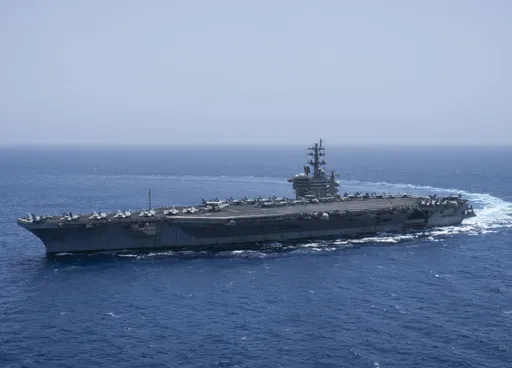
The United States said one runway at Simon Bolivar International Airport was now functioning and that C-17 US military planes were landing there. At the same time, a naval ship had arrived off the coast.
The UN humanitarian agency OCHA said search-and-rescue teams from at least 17 countries were being mobilised to help find survivors.
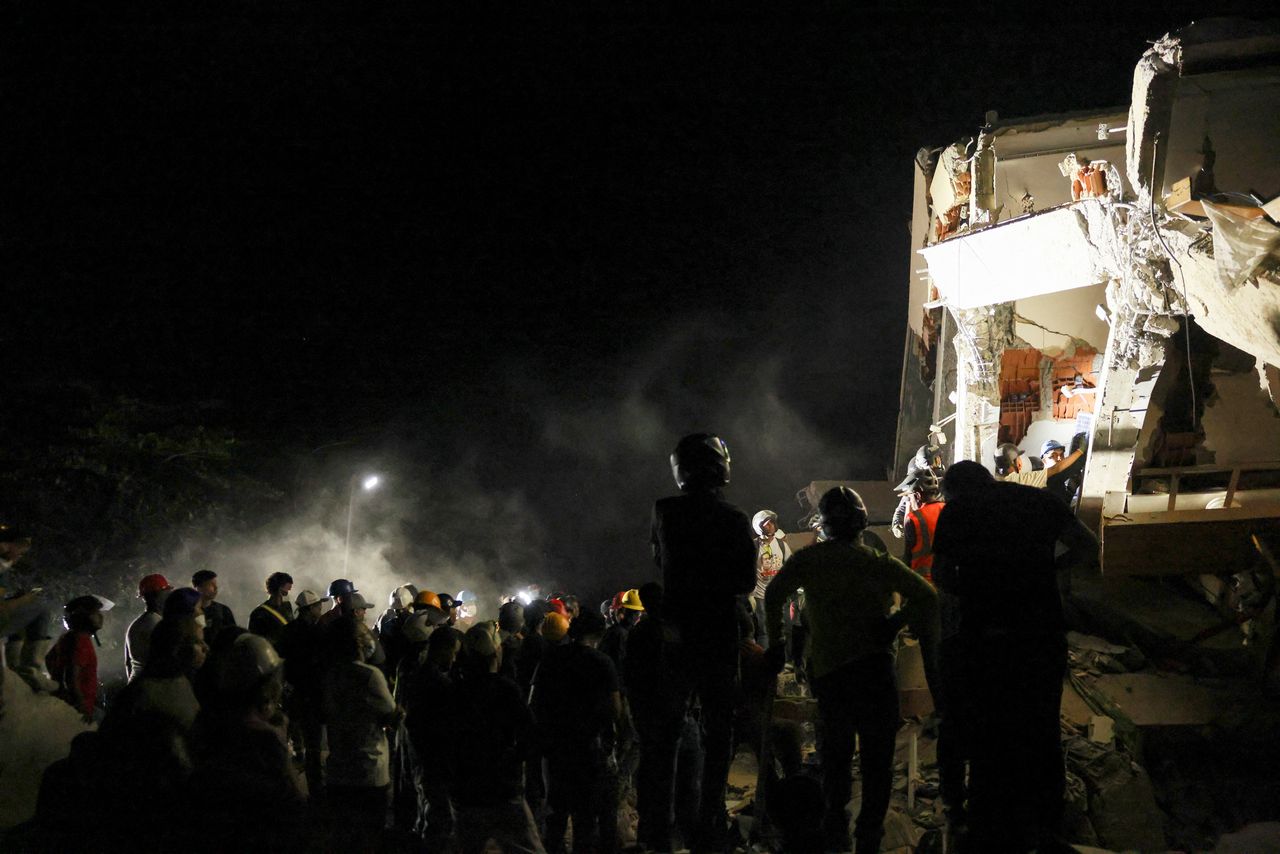
But the search for survivors saw desperate attempts by residents to claw away rubble from apartment buildings that collapsed in Wednesday's double-quakes. Experts say the first 72 hours after natural disasters are the key, narrow window for finding the living.
There was joy in the hardest-hit coastal area of La Guaira, north of Caracas, when locals pulled an infant alive out of the wreckage on Friday, some 32 hours after the magnitude 7.2 and 7.5 tremors.
In one social media video, a man welled up in tears as he held the baby in his arms.
$6.7 billion in physical damage
The United Nations estimated that earthquakes caused $6.7 billion in physical damage, equivalent to six percent of GDP.
The preliminary assessment is based on seismic modelling, satellite imagery and population data. It accounts for losses to assets, including housing, but does not cover wider economic disruption from Wednesday's disaster, the UN Development Programme said in a statement.
UNDP said that the back-to-back quakes hit major population and economic centres near Venezuela's northern coast, including the capital Caracas and the states of La Guaira, Carabobo, Miranda, Yaracuy and Aragua.




"Direct physical damage is estimated at $6.7 billion (range of $4.7 billion to $8.7 billion), driven by losses to housing and economic assets," the statement said.
"This does not include infrastructure damage, wider economic disruption and longer-term reconstruction costs," it said, adding that the total economic impact could be between 1.5 and three times the cost of direct damage.
Venezuela already in trouble
Venezuela's worst earthquake in more than a century has come after the oil-rich country endured more than a decade of economic collapse.
The crisis has hollowed out hospitals and public services, driving millions to leave the country.
And the country is still in a fragile political transition six months after the US ouster of Maduro.
"Even before the earthquakes, millions of people across Venezuela were facing food insecurity, collapsing health services, protection risks, and limited access to basic services," the UN and other aid agencies said in a statement Friday.
The United Nations' migration agency said it had examined available population and damage data and had determined that "up to 6.76 million people could be affected," and would "require emergency shelter, safe water, sanitation and hygiene services, healthcare, protection support and essential relief items."
Those killed in Venezuela included 28 Portuguese nationals, five Spaniards, two Brazilians, seven Chinese nationals, one Chilean and one Italian-Venezuelan.
Venezuela's northern coast sits on a boundary between the Caribbean and South American tectonic plates, but had not experienced a major quake since 1997.