 Baba Umar
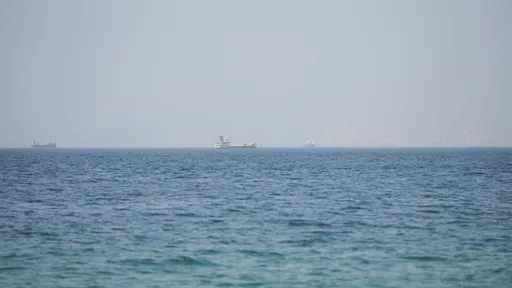
United Nations, New York — Senior UN and maritime officials have warned that commercial shipping is increasingly being used as geopolitical collateral amidst escalating tensions across vital international waterways, including in the Strait of Hormuz, urging global powers to reach political solutions to safeguard crew lives and restore safe passage.
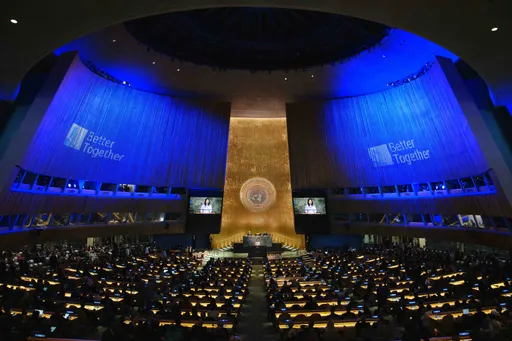
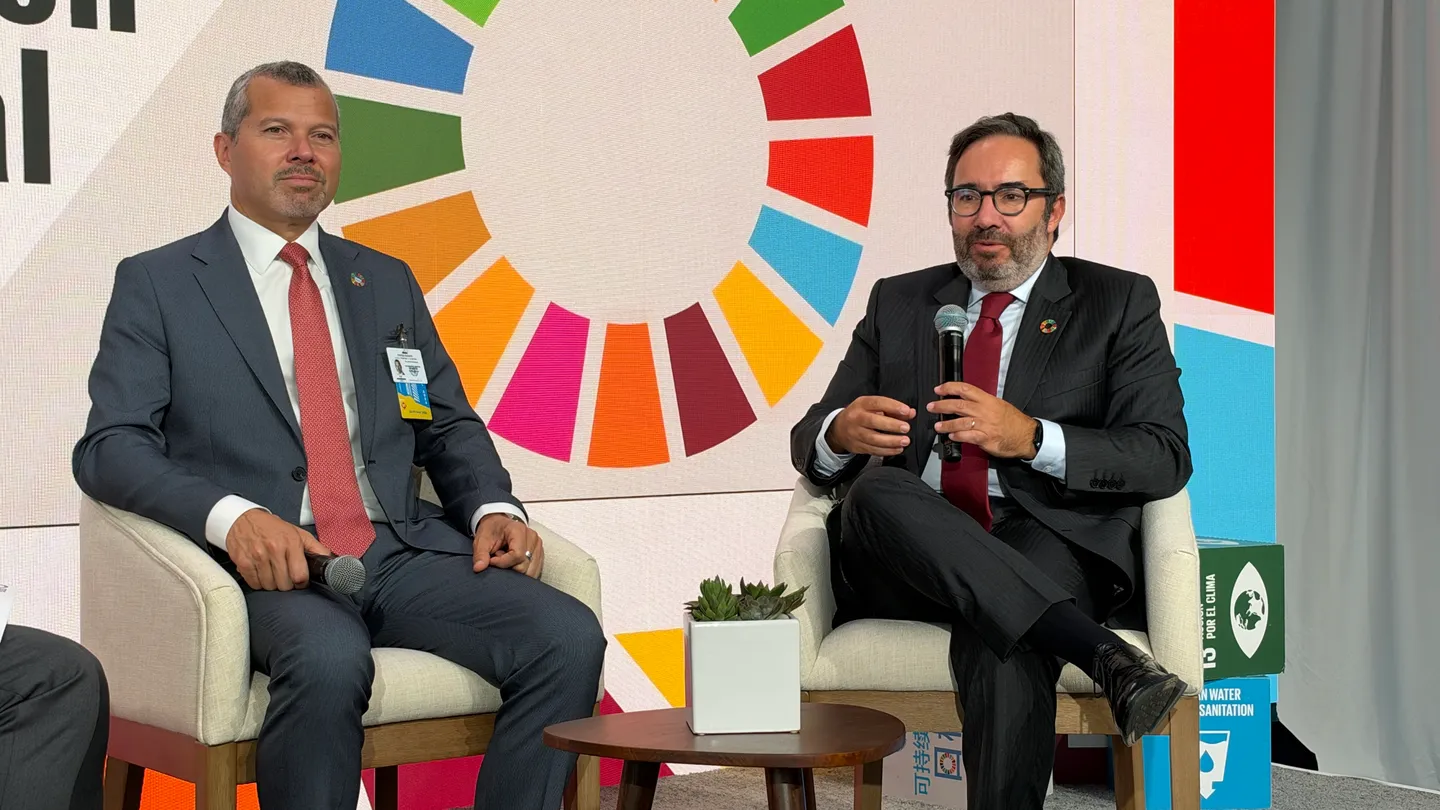
Speaking on the risks faced by commercial vessels at the UN headquarters in New York on Monday, Arsenio Dominguez, Secretary-General of the International Maritime Organization (IMO), urged commercial vessels to steer clear of volatile lanes until binding security guarantees are provided by the warring parties.
"For as long as the conflict is ongoing and we don't have guarantees from the countries involved that no ship is going to be affected, I will ask all ships to stay away from the region," Dominguez said on Monday at a gathering at the UN headquarters in New York, noting that more than 80 vessels have faced attacks in critical transit routes including the Red Sea, Bab al Mandab, and the Strait of Hormuz.
"We are not going to put the lives of innocent seafarers any more at risk. We have already lost too many."
Dominguez highlighted the human and economic toll of the ongoing crisis.
"The impact of this crisis, it’s not only on the global economy and the food security," he said. "It is important that everybody also recognises the innocent seafarers that, of course, are putting their life at risk at no fault in order to make sure that over 80 percent of global trade continues to sail around the world."
The IMO chief noted that approximately 6,000 seafarers remain trapped in the Gulf since the US-Israeli war on Iran began six months ago, unable to leave the region.
The IMO chief underlined that while operational and technical frameworks can be devised to protect navigational freedom in line with international law, genuine security requires political dialogue beyond the maritime agency's mandate to resolve the root causes of the tensions.
Compounding the challenge are restrictions in the Red Sea and Bab al Mandab Strait, he said cooperation between the two coastal states is rooted in IMO conventions and customary international law, with models such as the Strait of Malacca offering potential lessons in building trust.
"The reality is that none of these mechanisms will actually be able to have an effect until there are guarantees that ships and innocent seafarers are not going to be targeted," he stressed. "That’s the main bottom line of why the root causes are so required."
Dominguez underscored the Strait of Hormuz’s outsized role in global supply chains, saying roughly one-third of the world’s fertilisers, 20 percent of global oil, 19 percent of liquefied natural gas, nine percent of automobiles, and 12 percent of container freight originate from or pass through the region.
"We cannot replace that," he stressed.
US and Iran, he said, are prolonging the disruption that poses a severe risk to Gulf Cooperation Council economies.
The IMO chief called for high-level attention, including at the UN General Assembly (UNGA), to resolve the conflict so that resilient shipping operations and free movement of goods can fully resume.
Houthis seized Yemen's Mokha port and Perim Island in mid-September, tightening their grip on the Bab al Mandeb and targeting Saudi-linked ships, plunging Red Sea traffic.
In the Black Sea, Russia and Ukraine keep attacking each other’s ports and vessels, with over 300 ships damaged so far, choking grain exports.
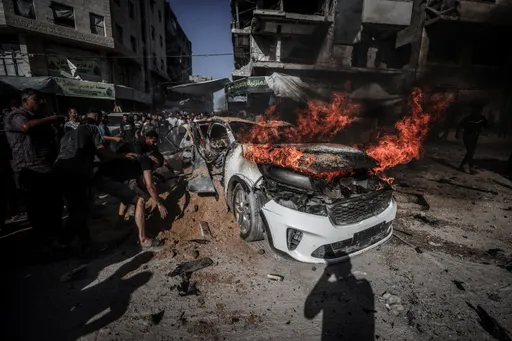
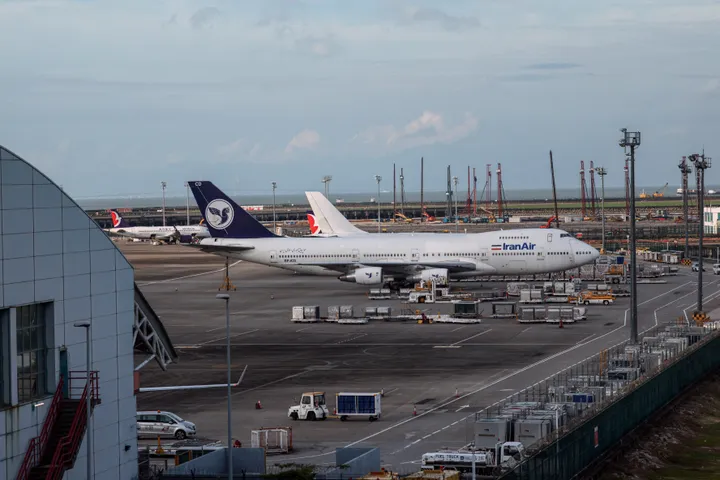
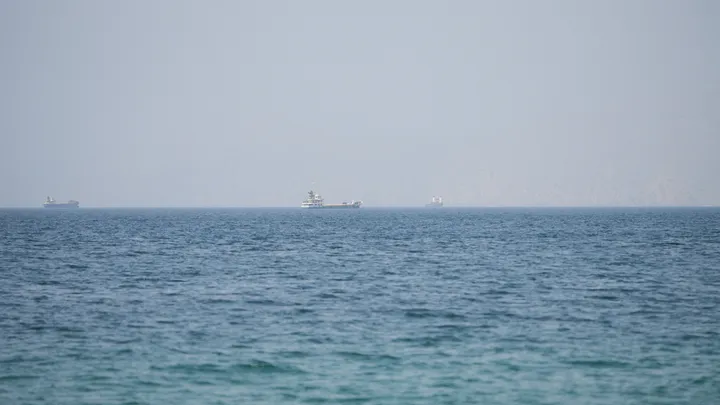
Iran and US have maintained a double blockade on the Strait of Hormuz with traffic remaining a fraction of normal as tankers and crew keep getting targeted.
US and Iran urged to allow transport of fertilisers
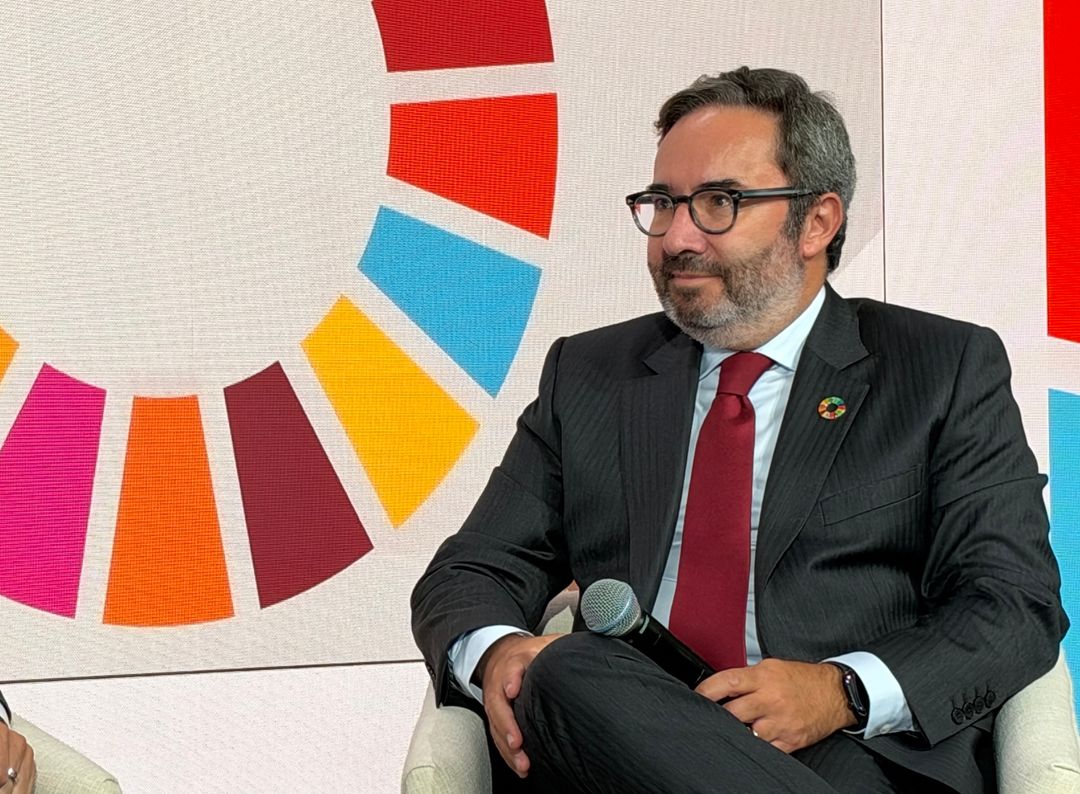
Meanwhile, highlighting a potential technical pathway to de-escalation,Jorge Moreira da Silva, Executive Director of the United Nations Office for Project Services (or UNOPS) and coordinator of the UN Strait of Hormuz Task Force, pointed out that operational inspection and verification mechanisms could be swiftly established if political consent is achieved.
He said Iran and US can continue their fight and simultaneously allow the safe transit of an initial five to seven vessels transporting essential commodities such as fertilisers each day.
"This mechanism could act as a stepping stone because trust takes time to be restored," he noted, stressing that the technical obstacles are surmountable and that the primary requirement remains political will.
Both officials warned that simultaneous disruptions across critical maritime chokepoints — including the Black Sea, the Red Sea, and the Strait of Hormuz — carry severe economic consequences for international trade, reiterating that multilateral engagement remains the only viable path to ensure stability across global supply chains.
Da Silva said the double blockade on shipping in the Strait of Hormuz has led to a steep rise in fertiliser prices, adding that 45 million people could face acute food insecurity if vessels carrying fertilisers are prevented from navigating through the strait.
"Well, if we look into the trends, indeed we have a significant increase of the price on the brand, 40 percent since the beginning of the war, 20 percent more or less on urea, sulfur and ammonia, and almost 200 percent increase on phosphate. Unfortunately, if this is not fixed, we'll have 45 million people forced into acute food insecurity, the UN official added.
He said the "key protagonists" — US and Iran — need to agree to allow five to seven ships transport fertilisers in the Hormuz.
"The point that we have been making to both Iran and the US is that we know that you are discussing the big picture. You are trying to find a deal about everything. But in the meantime, because diplomacy and the planting season don't have the same cycles, let's find a short-term time-bound limited solution to let the fertilisers go."