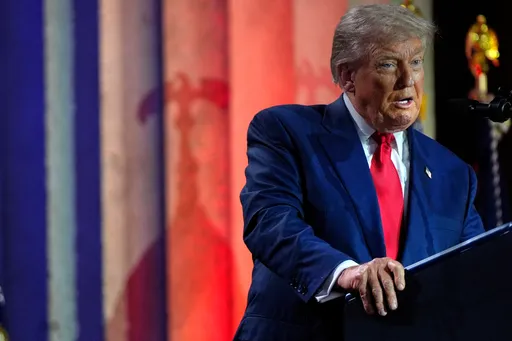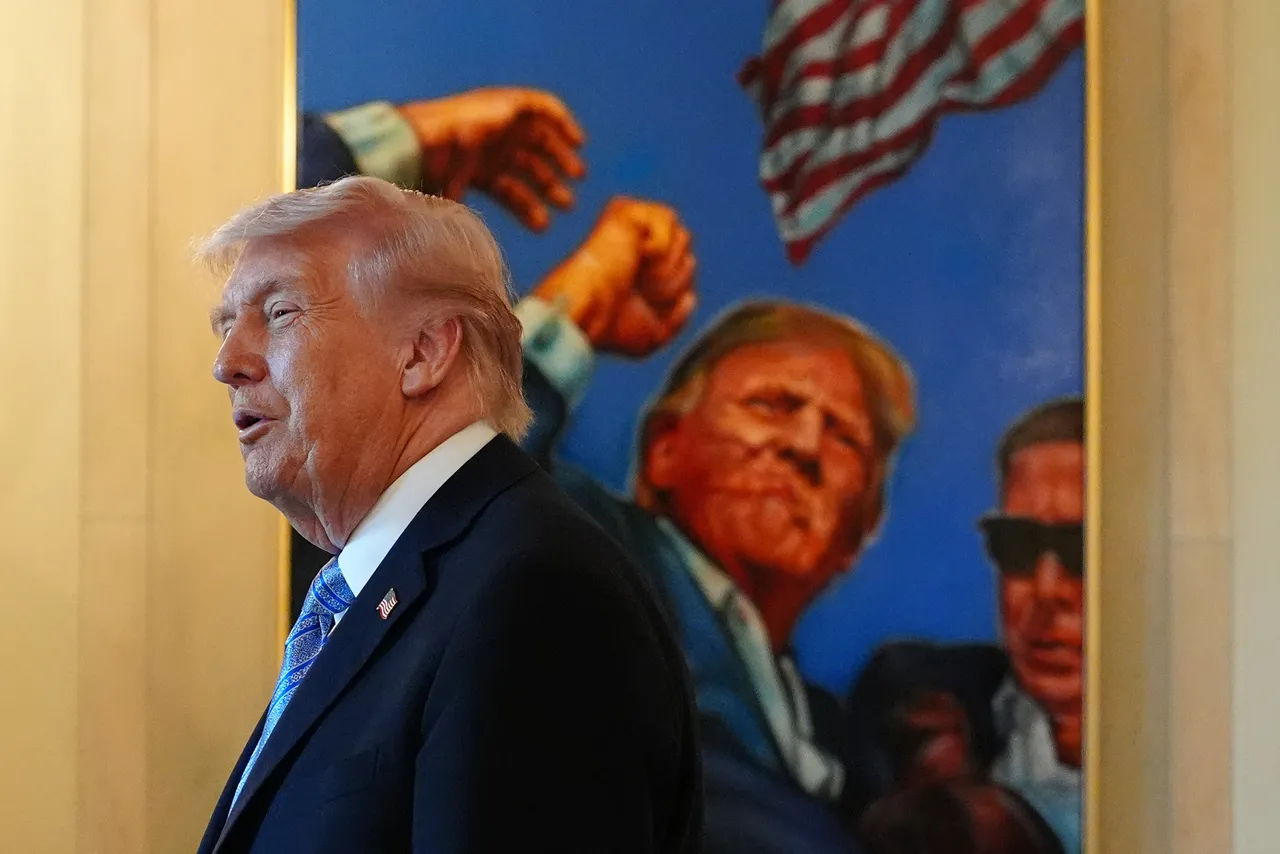
US President Donald Trump is demonstrating that he still holds a firm grip on Republicans despite sinking poll numbers and mounting unease over the US-Israeli war on Iran — delivering a bruising primary-night display of political strength in the midwestern state of Indiana.
The president's allies routed most of a group of Republican state senators who had crossed him, underscoring his dominance over the conservative base even as the party frets about inflation, foreign policy turmoil and the risks of a difficult midterm environment.
Five of seven Indiana Republican incumbents targeted by Trump-backed challengers lost their primaries on Tuesday, most by double-digit margins, after millions of dollars were poured into races that normally attract scant national attention.
One incumbent survived and another race remained too close to call.
The results amounted to one of the clearest demonstrations yet that, for Republican primary voters at least, dissent from Trump still carries enormous political danger.
"There's a big message here, but the message isn't a new message," Jim Banks, one of the party's two Indiana senators, told Politico. "The message we've learned over the last 10 years is: It's Donald Trump's Republican Party."
Trump reveled in the outcome, taking victory laps on social media as the results rolled in.
The Indiana battle centered on an increasingly fierce national fight over congressional redistricting ahead of November's midterm elections, which will decide which party controls Congress for the rest of Trump's presidency.
The targeted lawmakers had resisted Trump's push last year to redraw Indiana's House map in a way that could have eliminated the state's remaining Democratic-leaning congressional districts.
Trump allies responded with an unusually aggressive campaign to defeat the incumbents, securing an outcome is likely to echo far beyond Indiana.
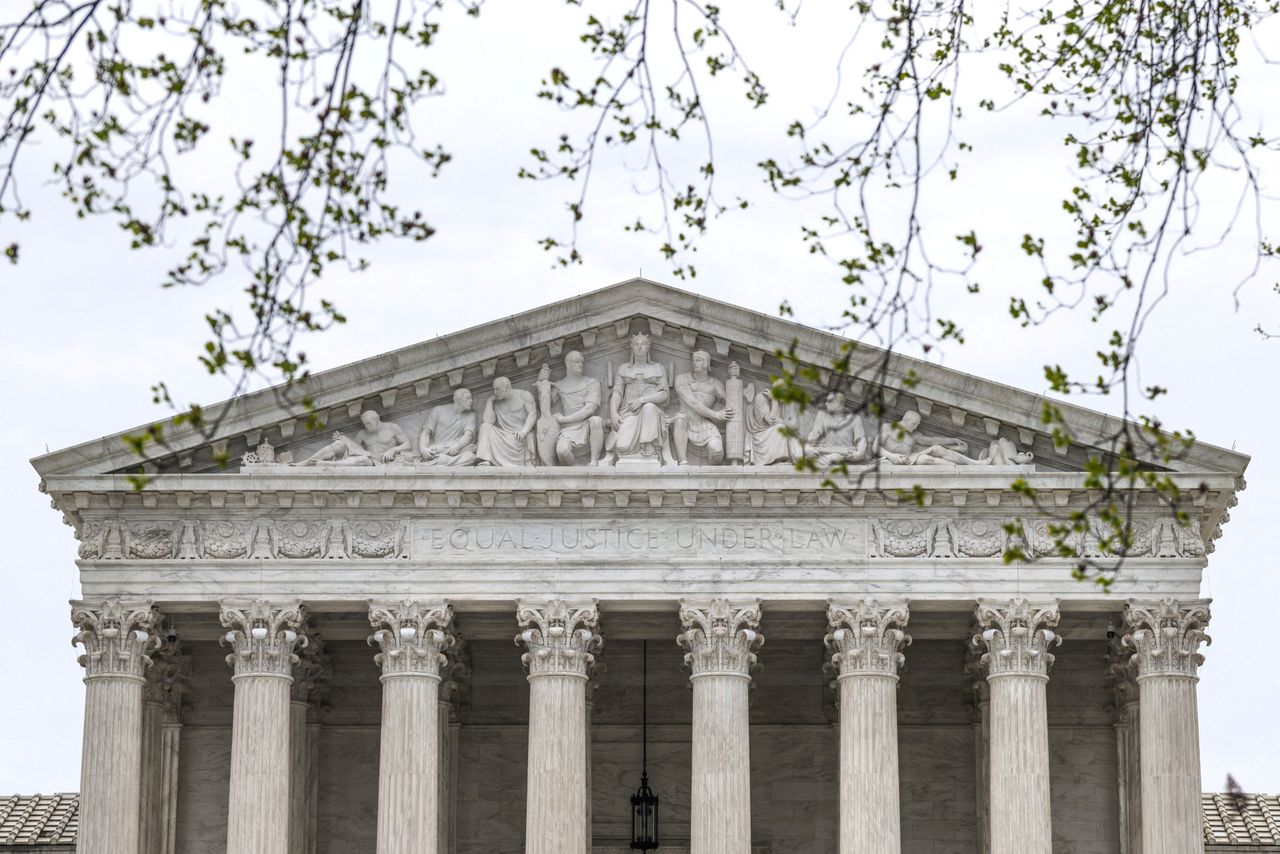
Conservative states across the South are weighing new redistricting plans after a recent Supreme Court ruling weakened a key provision of the Voting Rights Act, potentially opening the door to more Republican-friendly congressional maps.
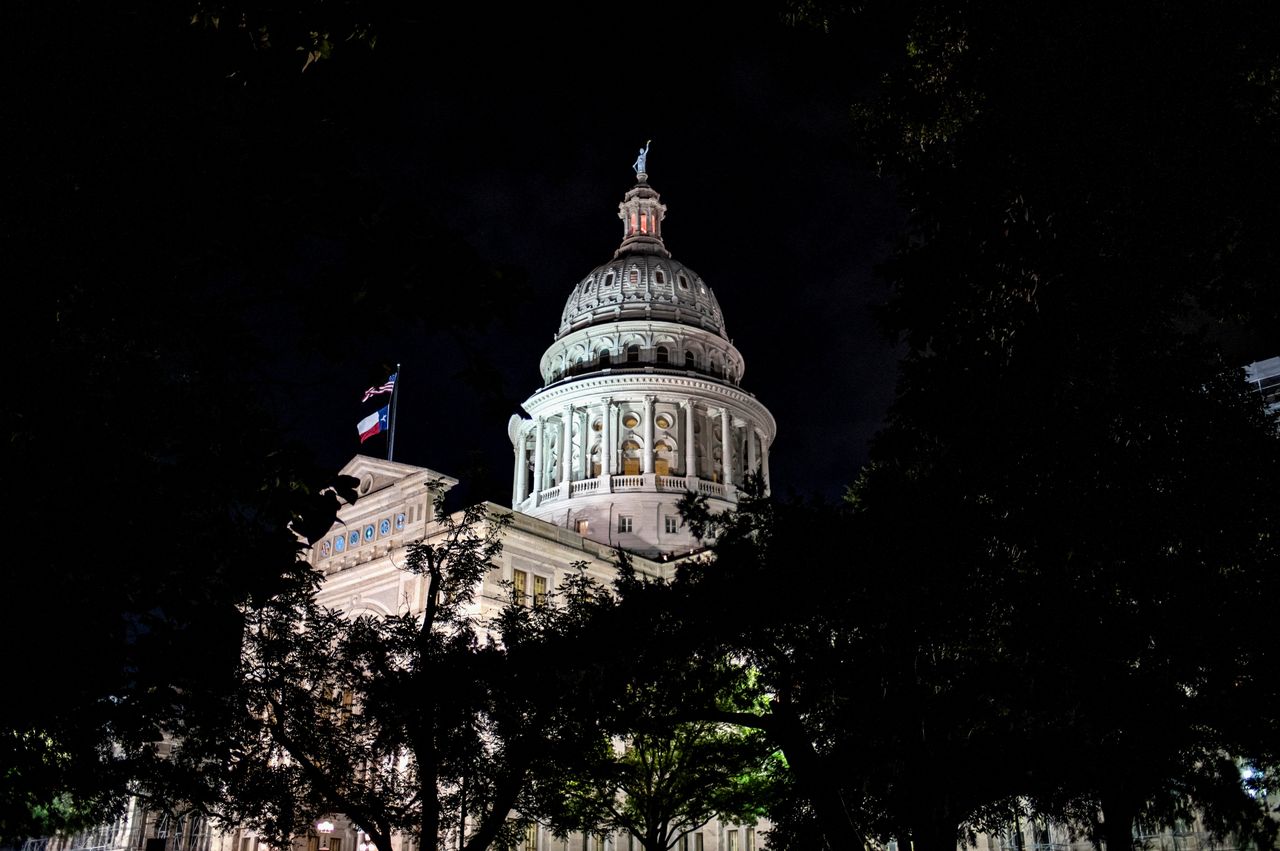
'Unwavering allegiance'
"If you're a Republican in a state taking a redistricting vote, you probably just became a lot more likely to support it after tonight," a strategist involved in the Indiana effort told Politico.
The primaries also highlighted a growing split-screen reality in American politics heading into the midterms.
Trump's standing nationally has weakened amid economic frustration and divisions within the Republican coalition over US-Iran conflict.
But among the deeply conservative voters who dominate Republican primaries, his influence remains formidable.


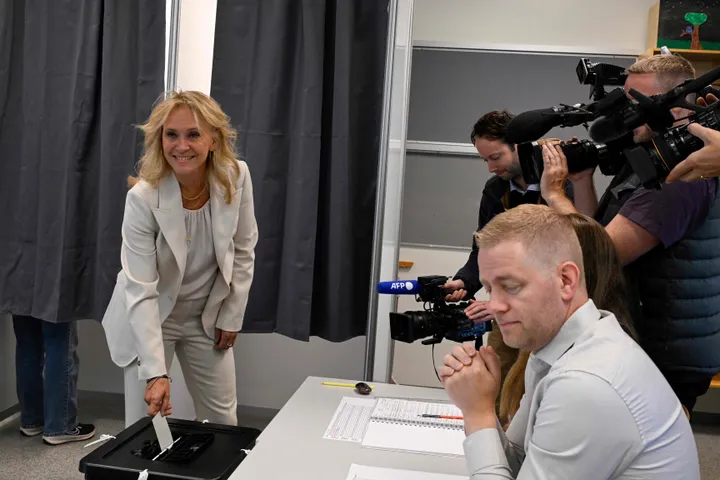
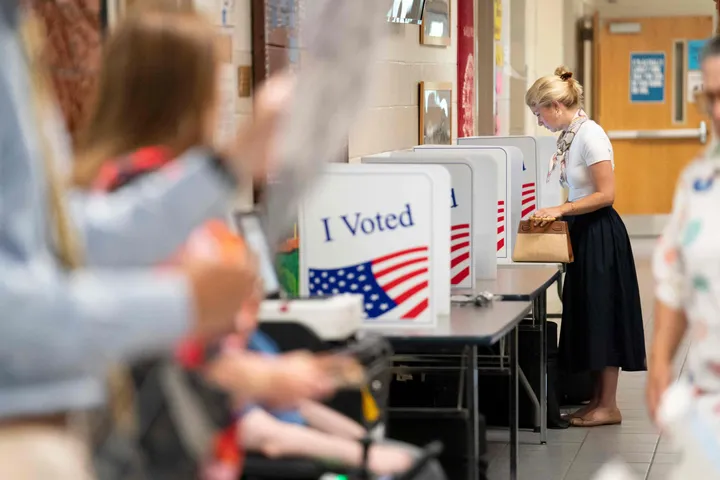




That dynamic could shape several looming Republican contests, including a closely watched Kentucky primary later this month in which Trump is backing a challenger against Representative Thomas Massie, one of the few House Republicans willing to openly oppose him.
Ohio races now get started in earnest
Elsewhere on Tuesday, Ohio state voters finalised several key November matchups that could help determine control of Congress.
Democratic challenger Sherrod Brown and Republican incumbent Jon Husted won their party’s nominations in the primary elections. They are now set for what is expected to be a high-profile and expensive Senate race in November’s midterm elections.
Republican Vivek Ramaswamy, the biotech entrepreneur and former presidential candidate backed by Trump, easily won the Republican nomination for governor.
Analysts say Tuesday's contests underscored the broader battle taking shape ahead of November, with Republicans tightly aligned behind Trump and Democrats hoping broader voter dissatisfaction can produce a midterm backlash.
David Axelrod, who was Democratic former president Barack Obama's chief strategist, said the results in Indiana demonstrated why so many elected Republicans stick with Trump, even if it means opposing their long-held principles.
"Trump is epically unpopular with two-thirds of the country... But he maintains the unwavering allegiance of his base and the threat to use it as cudgels against any apostates in primary elections," Axelrod posted on X.
"That's why following through on his retribution threat against Indiana state senators for having the temerity (and courage) to oppose the extraordinary, mid-decade re-districting he demanded was so essential."
Democrat wins Michigan special election
Meanwhile in Michigan, a Democrat comfortably won a state Senate race in a bellwether district, the latest in a string of special election victories.
Special elections have swung almost universally toward Democrats since Trump returned to the White House, and the trend continued on Tuesday in central Michigan.
Democrat Chedrick Greene won a state Senate seat in a closely matched district where Kamala Harris bested Trump by less than 1 point in 2024.
It’s just one special election months out from the midterms, but in a preeminent battleground like Michigan, all political tea leaves are carefully analysed. The state has one of the top US Senate contests this November and is crucial in deciding presidential elections.
The race carries outsized importance for another reason, too. Greene’s victory gives Democrats a firm majority in the state Senate, while a Republican win would have deadlocked the chamber in a 19-19 tie.