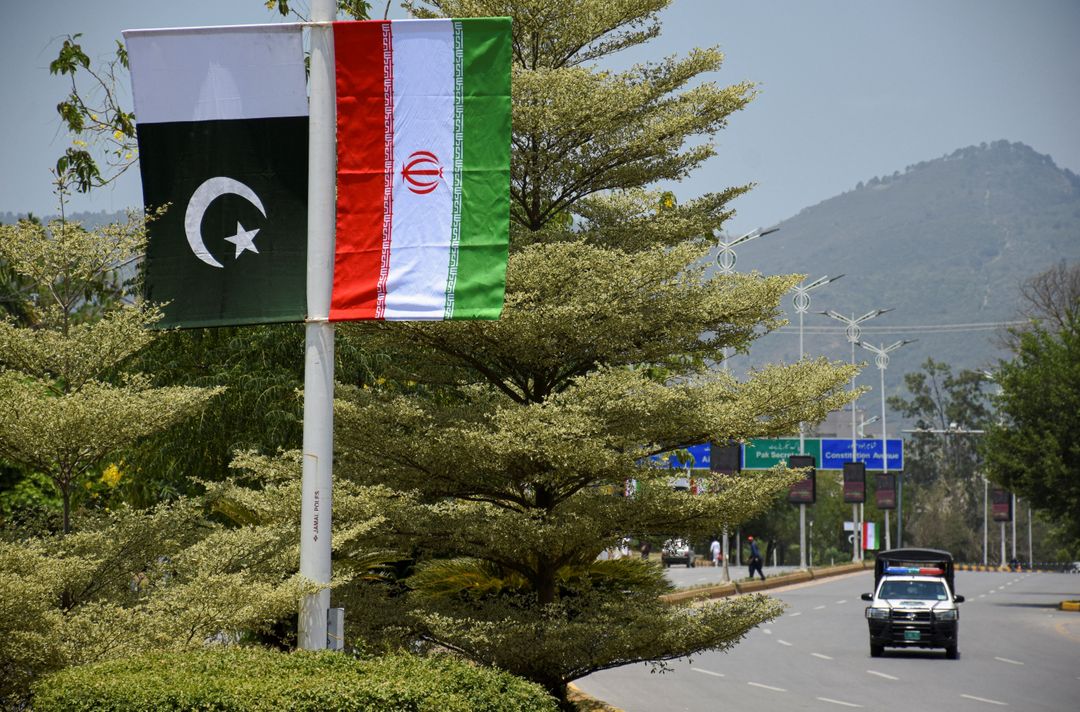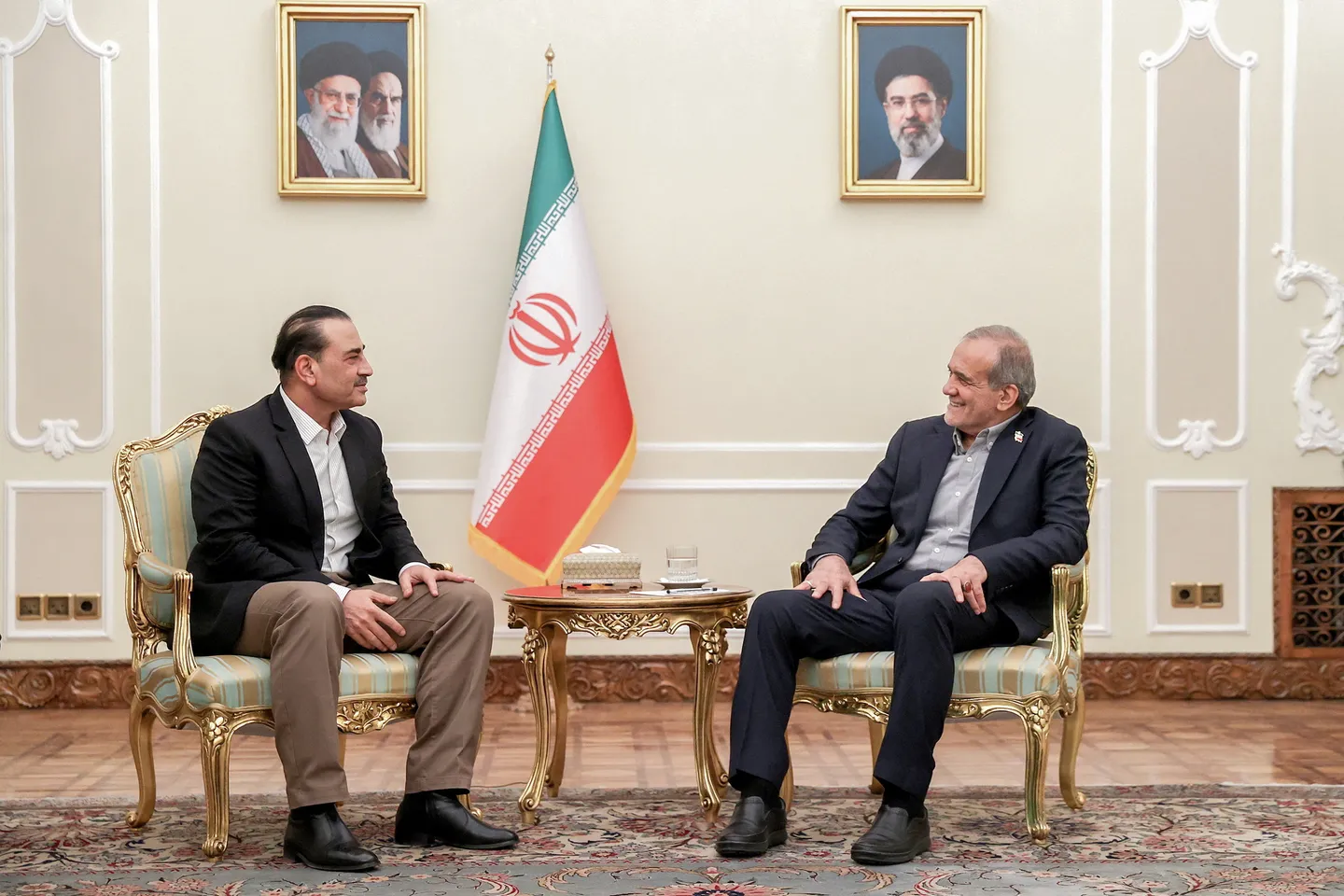
Pakistan's army chief, Asim Munir, has met with Iranian President Masoud Pezeshkian in Tehran, state television reported, as Islamabad tries to mediate a resolution to the war in the Middle East.
The meeting took place after US President Donald Trump spoke last week with Munir, a US source familiar with the matter told AFP earlier on Monday.
Munir said diplomatic processes must be discussed and examined with “complete precision and care” to advance shared objectives and reach a comprehensive agreement.
“Pakistan will firmly continue its facilitating role,” he said, adding that ending the current crisis could open “a new chapter of comprehensive cooperation” focused on reconstruction, regional development and collective security.
Munir said he would continue his efforts to restore stability in the region, according to the broadcaster.
Pakistan has played a key role in efforts to halt the conflict between Iran and the United States, brokering a memorandum of understanding in June, but peace negotiations currently appear stalled.
Munir also met in Tehran with Iran's parliamentary speaker and chief negotiator Mohammad Bagher Ghalibaf, as well as Mohsen Rezaei, head of the country's highest national security body, according to Iranian state television.
Iran's foreign ministry had said on Sunday that Munir's visit would be part of "Pakistan's ongoing efforts to help consolidate peace and security in the region".
The development comes as the US threatens new sanctions against countries that refuse to cut economic ties with Iran.
Treasury Secretary Scott Bessent has warned that groups helping Tehran launder money could be expelled from the US financial system.
Iran has dismissed the pressure, with Ghalibaf saying the US is not in an economic position to dictate other countries’ relations with Tehran.


Iranians are facing growing financial strain, despite years of sanctions and economic pressure.
Negotiations hit impasse
Pakistan has remained the main mediator between Iran and the US throughout the war that began on Feb. 28 and has maintained close contact with both sides.
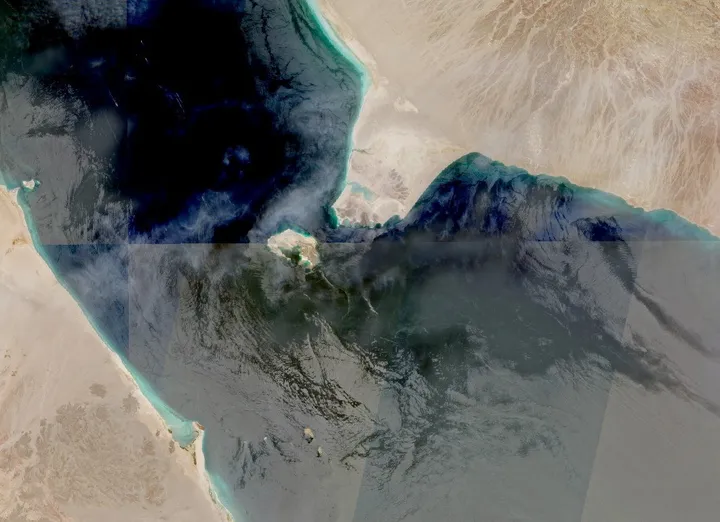
The US and Iran signed the Islamabad Memorandum of Understanding on June 17 and launched negotiations toward a final agreement. But the talks later stalled over disagreements on security guarantees and freedom of navigation through the Strait of Hormuz, one of the world's most strategic routes for global energy supplies and trade.
Between July 8 and July 24, the US and Iran exchanged military strikes, with Washington launching attacks on targets inside Iran and Tehran responding by striking US military facilities and equipment in several Arab countries, including Jordan, Bahrain and Kuwait.
After securing a ceasefire on April 8, Pakistan hosted the highest-level direct talks between the US and Iran since they broke diplomatic ties in 1979. The talks, held in Islamabad on April 11-12, ended inconclusively.
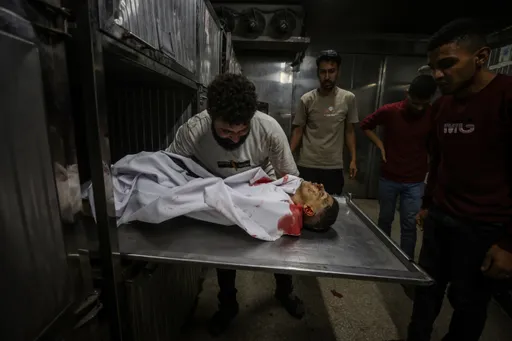
Since the US and Israel launched the war on Iran on Feb. 28, more than 3,500 people, both civilians and soldiers, have been killed in Iran.
Iran has hit US bases and assets in the Middle East, and the Pentagon has confirmed 18 deaths and 756 injuries to its personnel during the war.