 Noureldein Ghanem
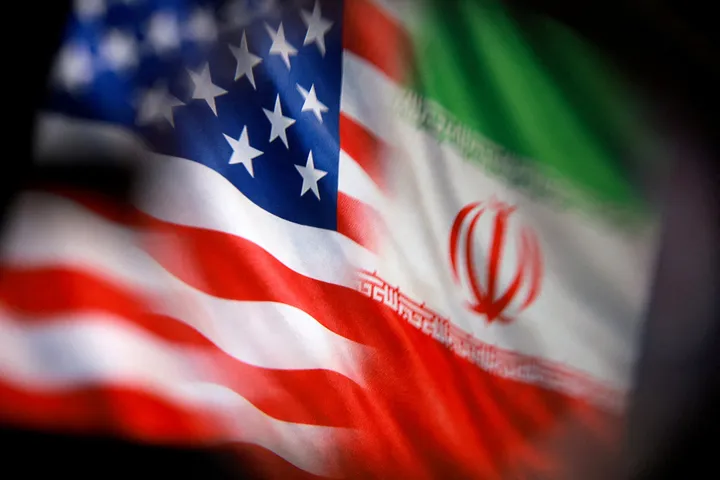
Washington, DC — Ever since the US and Israel began their war on Iran, targeting Iranian leadership, military sites, nuclear facilities, civilian areas including the assassination of Supreme Leader Ali Khamenei, Tehran has launched widespread retaliatory missile and drone attacks across the Gulf region.
The Iranian retaliation has targeted US military assets, energy infrastructure, civilian facilities, and other sites in multiple Gulf Cooperation Council (GCC) states — such as Saudi Arabia, the UAE, Qatar, Bahrain, and Kuwait — that host US military bases or have close ties with Washington, as well as Iraq.
While Tehran has also pummeled Israel, missiles have also traversed Azerbaijan and Türkiye. Some attacks remain unclaimed by Tehran, which alleges Israeli false flag operations intended to incite chaos and encourage Arab nations to participate in the US-Israel war on Iran that has already left over 1,300 Iranians dead, including some 150 schoolgirls.
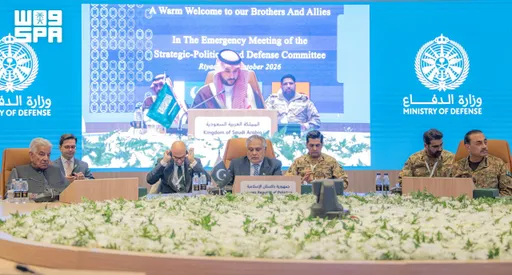
Despite hosting US troops and assets, GCC states feel that America has not provided adequate protection against Iranian attacks. Some Arab officials have publicly voiced anger over this, arguing that US defences prioritised American and Israeli interests over Gulf security.
This has led to broader concerns about the value of US alliances, with some Gulf officials reviewing contracts and considering invoking force majeure clauses due to economic strain from the war.
Public figures, like former Saudi intelligence chief Prince Turki al-Faisal and UAE billionaire Khalaf Ahmad Al Habtoor, have criticised the war as "Netanyahu's war," implying hawkish Israeli Prime Minister Benjamin Netanyahu influenced US actions at the expense of regional stability.
Experts suggest when it comes to arming Israel and its Gulf allies, the US employs a weapons "hierarchy".
"Israel receives approximately $3.8 billion annually in grant military assistance, access to the most advanced US systems, including modified F-35s, co-development arrangements, pre-positioned US equipment on its soil, and a statutory commitment to maintain its 'qualitative military edge' over all regional neighbours — including Gulf states," George Bisharat, a professor of law and a prominent commentator on Middle East affairs, tells TRT World.
"Gulf nations buy American weapons, often in huge quantities, but these are commercial transactions, not grants — and they come with conditions Israel never faces," he adds.
Weapons US sends to Israel
Most of the weapons that the US sends to Israel are in the form of military aid, with a minimal share paid for by Tel Aviv.
The US sends $3.8 billion to Israel every year in military aid, but this is just a baseline.
According to the Council on Foreign Relations, a US-based think tank, Washington has sent up to $21 billion to Israel since the start of the genocide in Gaza in October 2023.
In January 2026, the US approved a $6.67 billion arms sale to Israel, a few weeks before both countries launched a war against Iran. Last week, the Trump administration approved a possible $151.8 million weapons sale to Israel, invoking "emergency" authority to waive congressional review requirements.
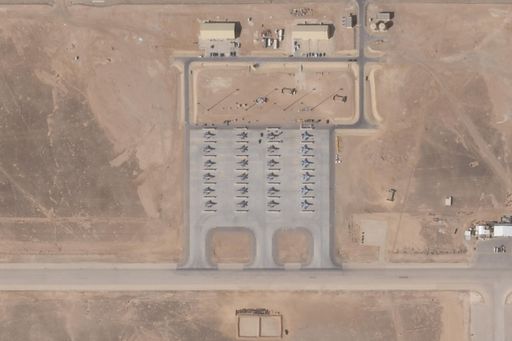
Washington provides Israel with various types of weaponry, including F-15 and F-16 fighters, precision-guided bombs (JDAM kits, bunker busters), and Hellfire missiles.
In addition, Israel is the only country in the region that possesses F-35 fighter aircraft. It also has access to the War Reserve Stockpile Ammunition-Israel (WRSA-I), a US-owned depot located within Israel for emergency use.
Washington also provides assistance from the annual military aid in maintaining Israel's defences, including the Iron Dome, David's Sling, and Arrow systems.
However, these facilities are not accessible to the US's Gulf allies.
Gulf states primarily purchase arms from the US, receiving minimal military aid, unlike Israel.
In January 2026, the US approved $9 billion of weapon sales to Saudi Arabia. In 2025, both countries agreed to a historic arms deal worth about $142 billion.
According to Congressional data, Qatar —the largest single investor in the US — has bought about $47.9 billion in arms since 2010.
Other US security partners like Kuwait and Bahrain also spend tens of billions on weapons sales.
The US sells F-15 fighter aircraft to Gulf nations, primarily Saudi Arabia and Qatar, and F-16 aircraft, primarily to the UAE.
To date, no Gulf state has access to the US's F-35 fighters.
A proposed deal involving Saudi Arabia faces numerous restrictions and is not yet secured. Israel is currently the only country in the region with access to these stealth fighter jets.
Washington also sells Boeing AH-64 Apache helicopters to all Gulf nations.
In defence systems, the US sells Patriot missile systems and Terminal High Altitude Area Defense (THAAD) to all Gulf nations.
The disparity in US support for Israel versus Gulf allies highlights a "clear hierarchy," says Bisharat.
"There is no co-development, no comparable intelligence integration, no equivalent political protection. The US-Israel relationship is structural. The Gulf relationship is transactional."
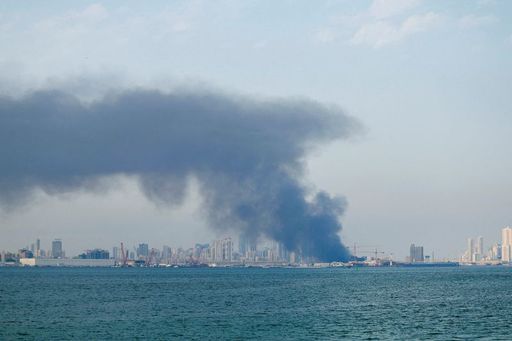
Iranian strikes across GCC
In the lead-up to the US-Israel war on Iran, several GCC leaders had cautioned the US against escalating with Iran, warning of severe regional consequences for security and economies — including their own.
These pleas, reportedly made in January 2026 during US military buildups, were largely disregarded, amplifying feelings of betrayal as the predicted fallout materialised.
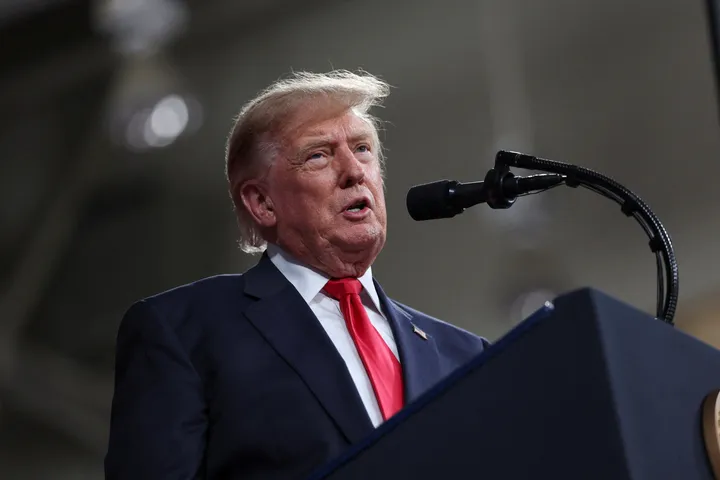
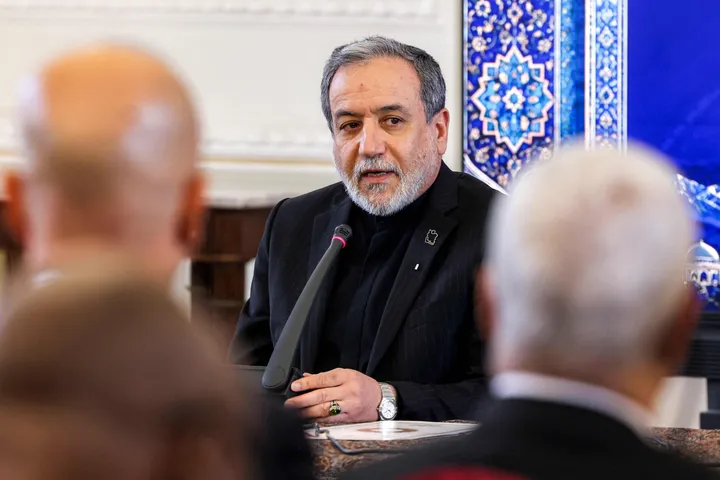
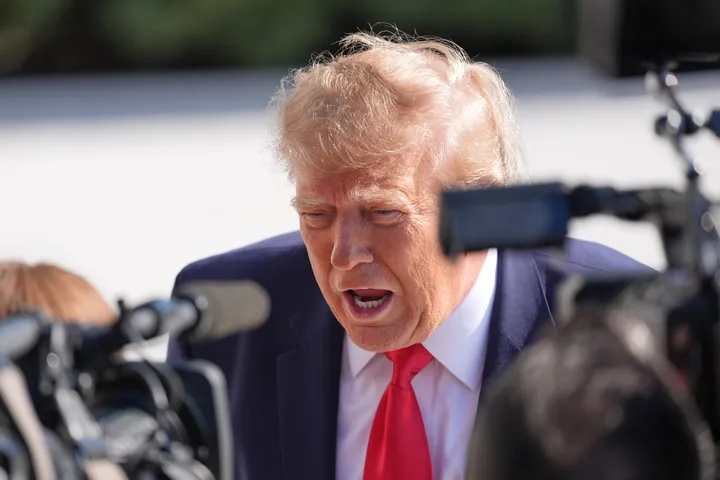

Countries like Saudi Arabia and the UAE had advocated for de-escalation and diplomacy, only to face disproportionate impacts from Iran's response.
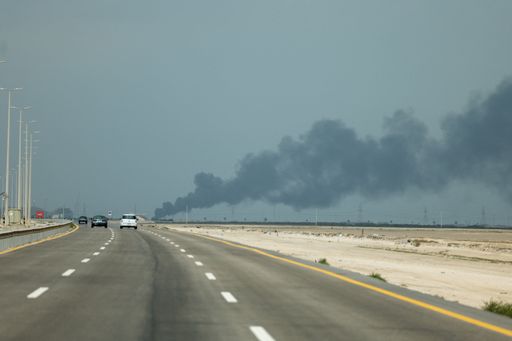
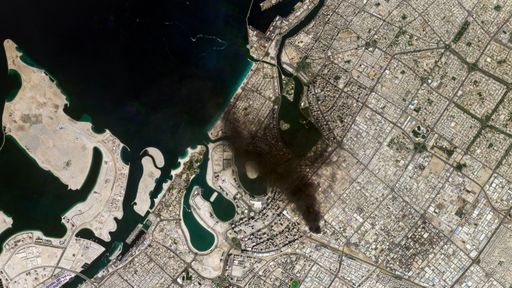
Iran has directed the majority of its attacks on the UAE, with more than 1,400 attacks that killed four civilians and wounded 114 others, according to UAE. Targets include US military facilities such as Al Dhafra Air Base, ports, hotels, residential areas, and an international airport.
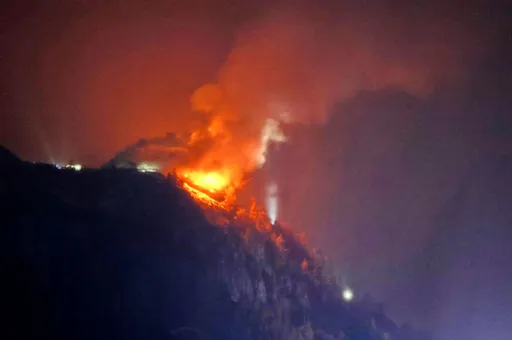
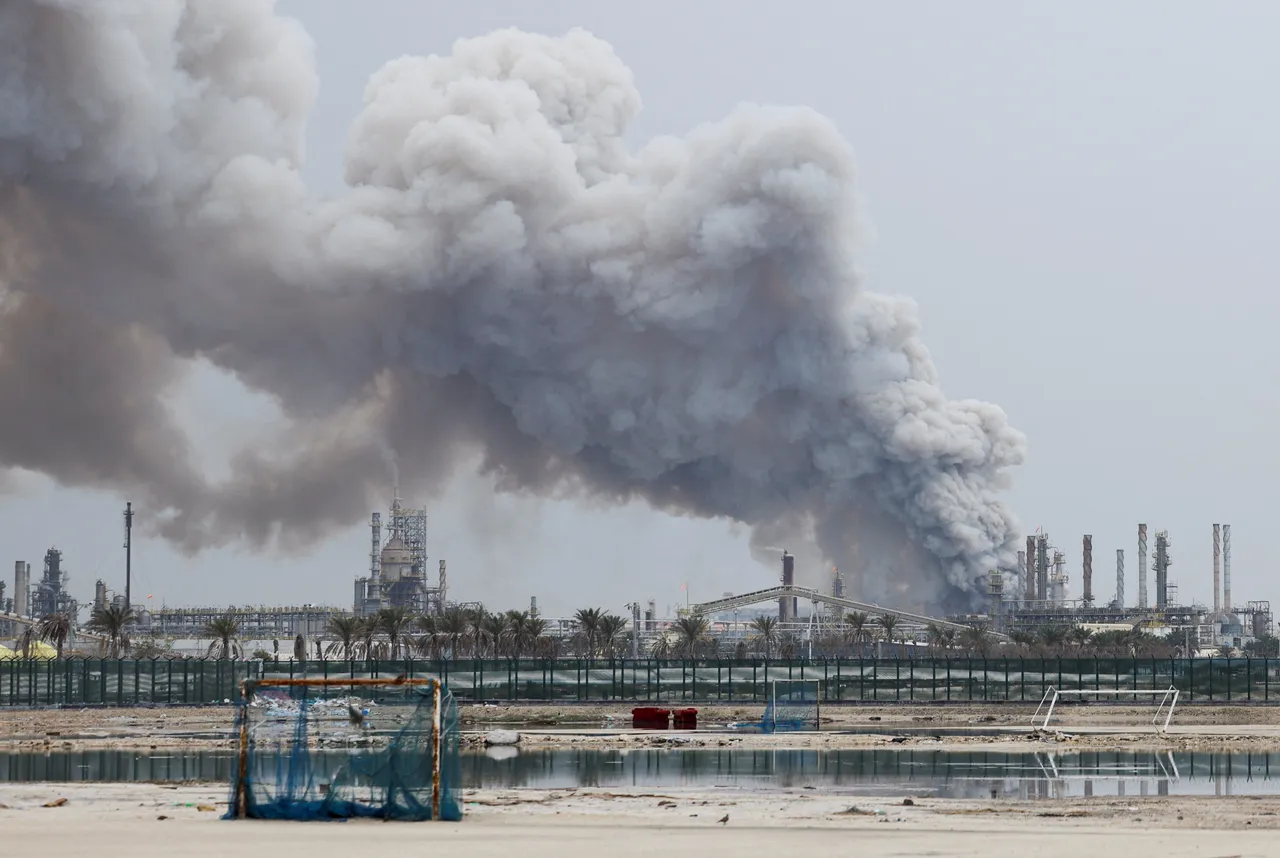
In Saudi Arabia, strikes have focused on energy infrastructure and civilian as well as military sites, including the Ras Tanura refinery, the Shaybah oil field that produces around 1 million barrels daily, oil and gas facilities, the US Embassy in Riyadh, and residential areas in Riyadh.
Initial attacks were limited but escalated to include major oil targets. Iran has also launched multiple attacks targeting Prince Sultan Air Base near Al-Kharj, a key facility hosting US and Saudi forces where a US soldier Sergeant Benjamin Pennington was killed.
Iran has, however, described some attacks as false flag operations by Israel.
In Qatar, Iranian targets included the Mesaieed and Ras Laffan industrial cities, as well as oil and gas infrastructure. US bases like those in Al Udeid have also been hit, alongside civilian areas, resulting in production halts at QatarEnergy facilities.
In Bahrain, Iran struck the US Navy's 5th Fleet headquarters at Mina Salman, a strategic site that commands US naval operations across the Persian Gulf, Red Sea, Arabian Sea, and parts of the Indian Ocean.
In Kuwait, Iran said it struck the American Ali Al Salem air base, with multiple cruise missiles. This base hosts the United States Air Force’s 386th Air Expeditionary Wing. An Iranian drone strike killed six US soldiers at a civilian port in Kuwait, after they relocated from Army base Camp Arifjan which was also struck by Iran. Iran has also hit Camp Buehring, where a US soldier died in what US officials say was a medical episode.
The US Department of War claimed the death of Sorffly Davius was not combat related. But, his death is the eighth since the United States and Israel began attacking Iran.
US military and other facilities in Oman and Iraq have also been targeted in the ongoing war.
Enter the Ukraine
"Gulf states operate US made missile defence batteries and have deepened integration with US command-and-control infrastructure. But they lack Israel's layered, battle-tested architecture," argues Bisharat.
"Iran has invested heavily in saturation tactics: large volumes of cheap drones combined with ballistic and cruise missiles, designed to overwhelm any defence. Interception is possible; guarantees are not," he says.
Bisharat notes that while the US forward-deployed assets extend the umbrella substantially, the US cannot be "every ally’s backstop indefinitely."
"Gulf nations know this, which is why they are accelerating procurement. Closing the gap, however, takes time they have not yet done so."
The Gulf States are now turning to Ukraine's expertise in repelling Iranian Shahed drones.
The cheap, mass-produced Iranian drones have posed a major challenge to GCC nations relying on expensive missiles to shoot them down.
Kiev has engaged in extensive drone warfare during its four-year conflict with Russia.
"Our request is very straightforward. We would like to cover our deficit in Patriot missiles and in return we can provide the corresponding number of interceptors," Ukrainian President Vladimir Zelenskyy said last week regarding his willingness to offer help to the GCC nations.
"We are certainly ready to share our expertise to help protect civilian and oil infrastructure which as you can see affects the entire world."
On Monday, Zelenskyy claimed that 11 countries had tapped Kiev for help in how to counter Iranian drones being fired by Tehran in retaliation for US-Israeli strikes.
Some Ukrainian drone experts are already en route to the Middle East and are due there this week, Zelenskyy has said.
Last week, during the meeting of EU Foreign Ministers and the Ministers from the Gulf, EU foreign policy chief Kaja Kallas said Ukraine is offering drone interceptors to GCC nations.
"Ukraine can help the Gulf countries, because they have developed drone interceptors and drone protection. So, we can also see how we can put these things together to help the countries to fight back the drone attacks."
US throwing GCC allies 'under the bus'
Discussing the responses of GCC nations, particularly following actions advised against by them but pursued by the US President Donald Trump on the apparent recommendation of Israel’s Netanyahu, Sultan Barakat, a professor in Conflict Mediation and Humanitarian Studies at Hamad Bin Khalifa University, tells TRT World that US clearly understood the risk and the impact this is going to have on the Gulf states "but still they (US and Israel) decided to go ahead with it."
Barakat expresses that GCC countries are feeling let down by the US for ignoring risks to regional stability, economic development, and global energy supplies, prompting a rethink of security alliances and reduced reliance on American protection.
"I wouldn't be surprised if people feel that they've been more or less thrown under the bus," Barakat says.
"I'm confident that they can recover from this. The key issue now is to keep united and to try to restrain themselves as much as possible and not to rely on promises of protection coming from outside," he adds.
Barakat notes that any GCC retaliation would entangle the region in years of war with Iran's large population.
"Ultimately they are neighbours to Iran and all those countries that are coming to protect and intervene including Israel are not direct neighbours. They can withdraw at any minute and leave them in a fire that will probably burn the whole region."
Barakat also points out vulnerabilities like the UAE's alignment with Israel and how recent events — including attacks on Qatar and broader Israeli actions — have damaged the GCC's image for stability and tourism, though recovery is possible through unity and self-restraint.