Iran has destroyed a radar system in the opening days of the war vital for directing US missile defence in the Gulf, Bloomberg reported citing a US official.
Analysts state that the damage creates a significant gap in high-altitude surveillance coverage.
"If successful, an Iranian strike on a THAAD radar would mark one of Iran’s most successful attacks so far," Ryan Brobst, deputy director of the Center on Military and Political Power at the FD, told Bloomberg.
Brobst noted "the US military and its partners have other radars that can continue to provide air and missile defense coverage, mitigating the loss of any single radar."
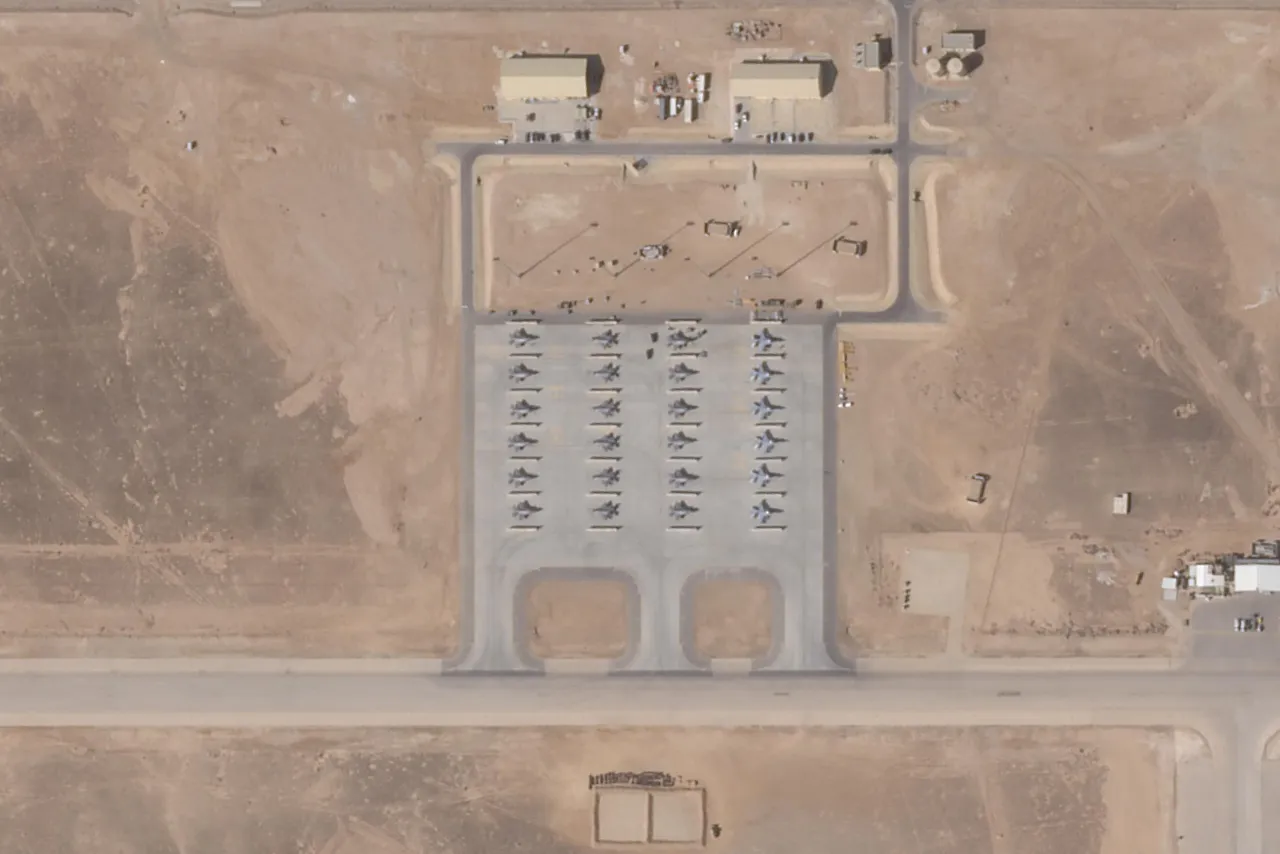
Satellite photos show that an RTX Corp. AN/TPY-2 radar and support equipment — used by US Terminal High Altitude Area Defense (THAAD) systems — was destroyed at Muwaffaq Salti Air Base in Jordan in the opening days of the war, CNN reported, citing commercial satellite imagery.
The destruction of the equipment was later confirmed by a US official.
Data gathered by the Foundation for Defense of Democracies (FDD) show two reported Iranian strikes in Jordan: one on 28 Feb and one on 3 March.
Both were initially reported to have been intercepted.
However, the confirmed loss of the radar represents a significant tactical shift.
Strategic Impact on Integrated Defence
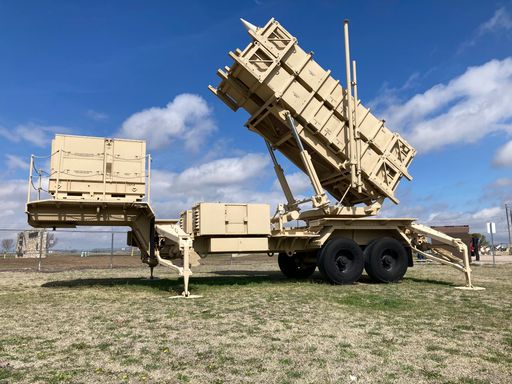
US THAAD units intercept ballistic missiles at the atmosphere's edge, tackling tougher threats than Patriot batteries.
With the AN/TPY-2 radar offline, missile interception will rely on Patriot systems, where PAC-3 missiles are already scarce.
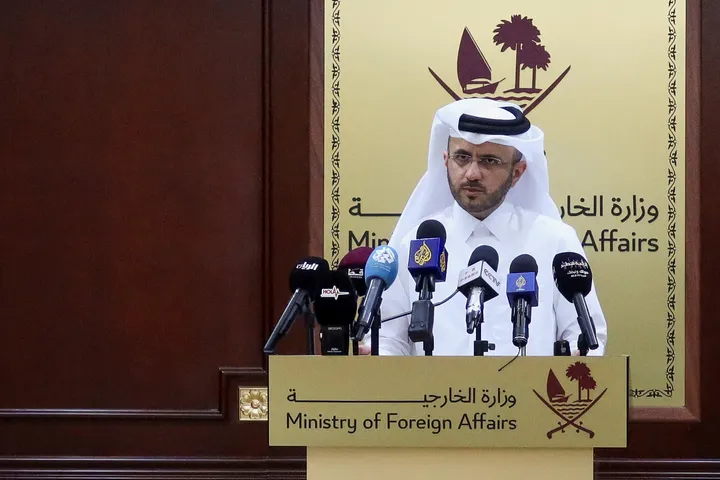




Earlier in the US-Israel war, an AN/FPS-132 radar in Qatar—a fixed installation, unlike the mobile THAAD system—was damaged during an Iranian attack.
The $1.1 billion system is an early-warning radar designed to detect long-range threats, lacking the precision for fire control.
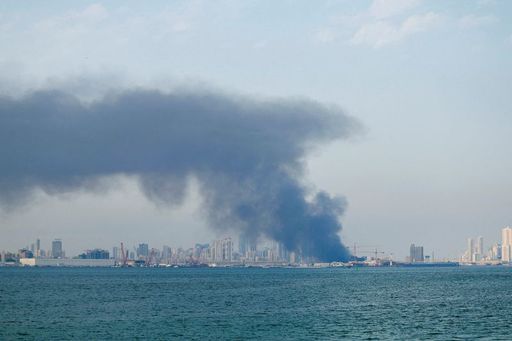
The destruction of the Jordan-based TPY-2, combined with the damage in Qatar and reported hits on SATCOM terminals in Bahrain, suggests a systemic Iranian effort to dismantle the sensors that form the "eyes" of the Gulf's defensive umbrella.
Stockpile and Production Pressures
Gulf air defences have been strained and occasionally surpassed by Iranian drone and missile retaliations.
This has sparked fears among Iran’s rivals that reserves of advanced interceptors, like THAAD and PAC-3, may soon be critically depleted.
On Friday, defence contractors including Lockheed Martin and RTX met at the White House as the Pentagon pushes to speed weapons production.
Following the meeting, US President Donald Trump said "the largest US Defense Manufacturing Companies" had agreed to expand production of what he called "Exquisite Class" weaponry.
"They have agreed to quadruple Production of the 'Exquisite Class' Weaponry in that we want to reach, as rapidly as possible, the highest levels of quantity."
The US has lost nearly $2 billion worth of military equipment amid its attacks against Iran since Saturday, according to estimates and data compiled by Anadolu Agency.
On Friday, South Korea’s Foreign Minister Cho Hyun said that Seoul and Washington are discussing the possible redeployment of some US Patriot missile defence systems stationed in South Korea, following reports that the systems could be moved to support operations in the Middle East amid escalating tensions with Iran.