Palestine has called on the international community to recognise the 1948 Nakba as a “crime of ethnic cleansing” committed by Israel against the Palestinian people, stressing that the Nakba “is still ongoing.”
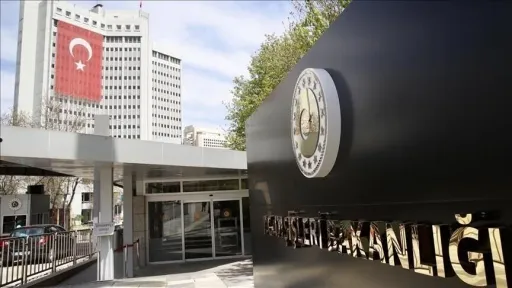
The call came in a statement issued on Thursday by the Palestinian Foreign Ministry on the eve of the annual commemoration of the Palestinian Nakba on May 15.
The ministry urged the international community to classify the Nakba as a “crime of ethnic cleansing” and work towards “redressing its consequences and achieving the legitimate and inalienable rights” of the Palestinian people.
It said those rights include “self-determination and independence for the State of Palestine with Jerusalem as its capital, as well as the right of return and compensation for refugees through ending the prolonged Israeli colonial occupation.”
Palestinians use the term "Nakba," or "catastrophe," to describe the displacement of 957,000 Palestinians out of 1.4 million who, according to data from the Palestinian Central Bureau of Statistics, lived in about 1,300 towns and villages in 1948, when the state of Israel was established on Palestinian land.
According to the Palestinian Central Bureau of Statistics, Israelis seized 774 Palestinian villages and cities in 1948, completely destroyed 531 of them and committed more than 70 massacres that killed over 15,000 Palestinians.
The bureau said the number of Palestinians worldwide reached about 15.49 million by the end of 2025, more than half of them living outside historic Palestine, including 6.82 million in Arab countries. The population of the State of Palestine stands at about 5.56 million, including 3.43 million in the occupied West Bank and 2.13 million in Gaza, according to the bureau.
The ministry reminded the international community of its responsibilities and “the importance of delivering justice to the Palestinian people and holding perpetrators accountable,” including recognising the Nakba as “a crime against humanity that cannot be denied, justified, or defended under any pretext.”
‘A Zionist colonial project’
It stressed that “the Nakba is not merely a historical tragedy but an ongoing crime,” adding that it is not limited to “the brutal ethnic cleansing and forced displacement of Palestinians from their land" nor to “massacres, killing, destruction, looting, violations, and displacement.”
The ministry said the Nakba, “as a Zionist colonial project, was engineered by colonial powers and embodied in the Balfour Declaration with the aim of uprooting the Palestinian people from their land, erasing their identity, and replacing them with settlers.”
The Balfour Declaration refers to a letter sent by then-British Foreign Secretary Arthur James Balfour on November 2 1917, to Lord Lionel Rothschild, a leader of the Zionist movement at the time, in which the British government pledged support for establishing a Jewish homeland in Palestine.
The ministry said the Nakba “is an ongoing crime that has never stopped,” pointing to Israel’s ongoing attacks in Gaza and the expansion of violence into the occupied West Bank.
The suffering caused by the Nakba included “the theft of land and rights and turning millions of Palestinians into refugees deprived of their right to return to their homeland,” it added.
The ministry stressed that the duty of the international community “is not limited to supporting the Palestinian cause but extends to protecting the Palestinian people and preventing the recurrence of such horrific crimes.”
.JPG?width=1080&format=jpg&quality=80)
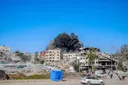
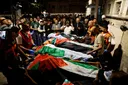
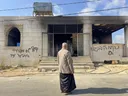
Palestinians mark Nakba anniversary
On Friday, Palestinians marked the 78th anniversary of the Nakba.
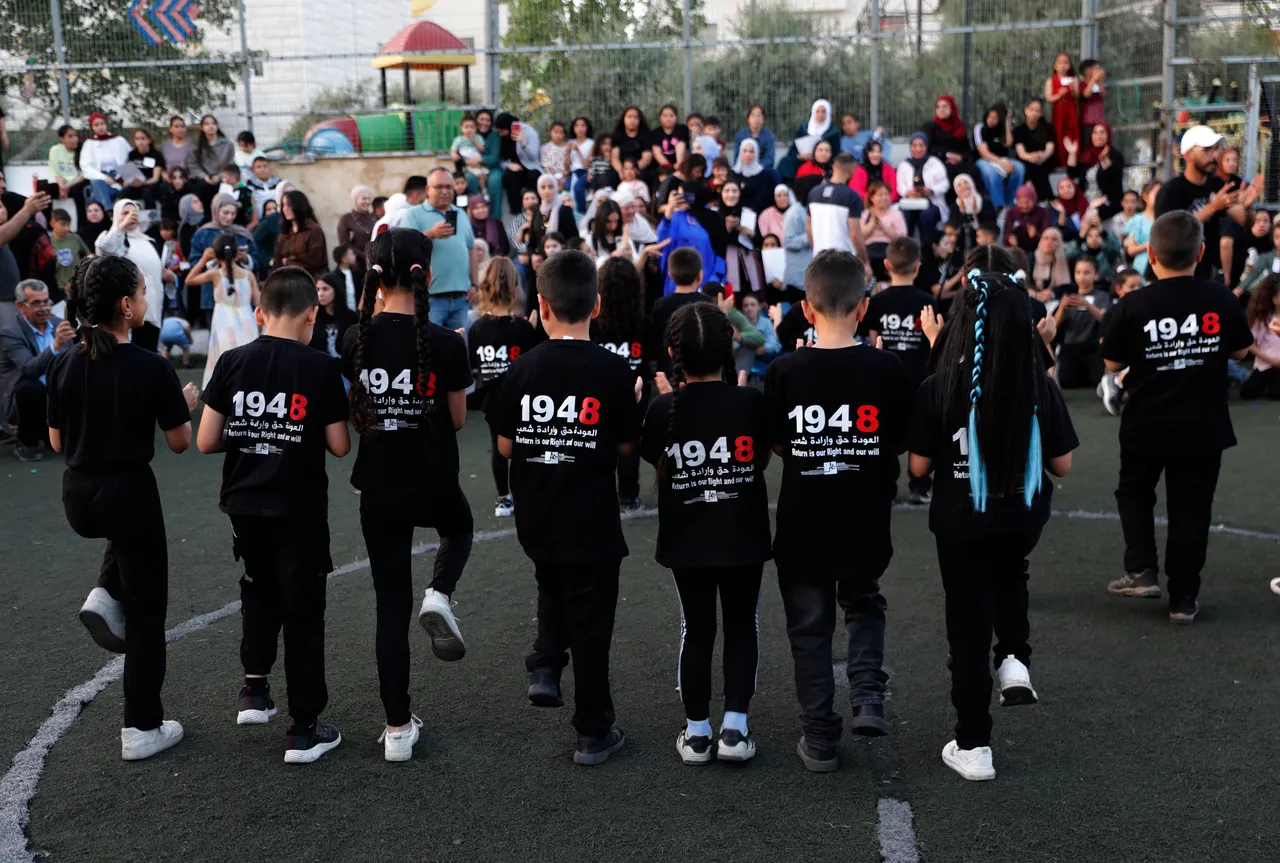
Every year, Palestinians mark the anniversary with marches, exhibitions and public events in the Palestinian territories and around the world to assert their rights, foremost the right of return for millions of refugees.
This year’s events were held under the slogan “We will not leave. Our roots are deeper than your destruction,” with marches, rallies and public gatherings in the occupied West Bank, Gaza, refugee camps and diaspora communities.
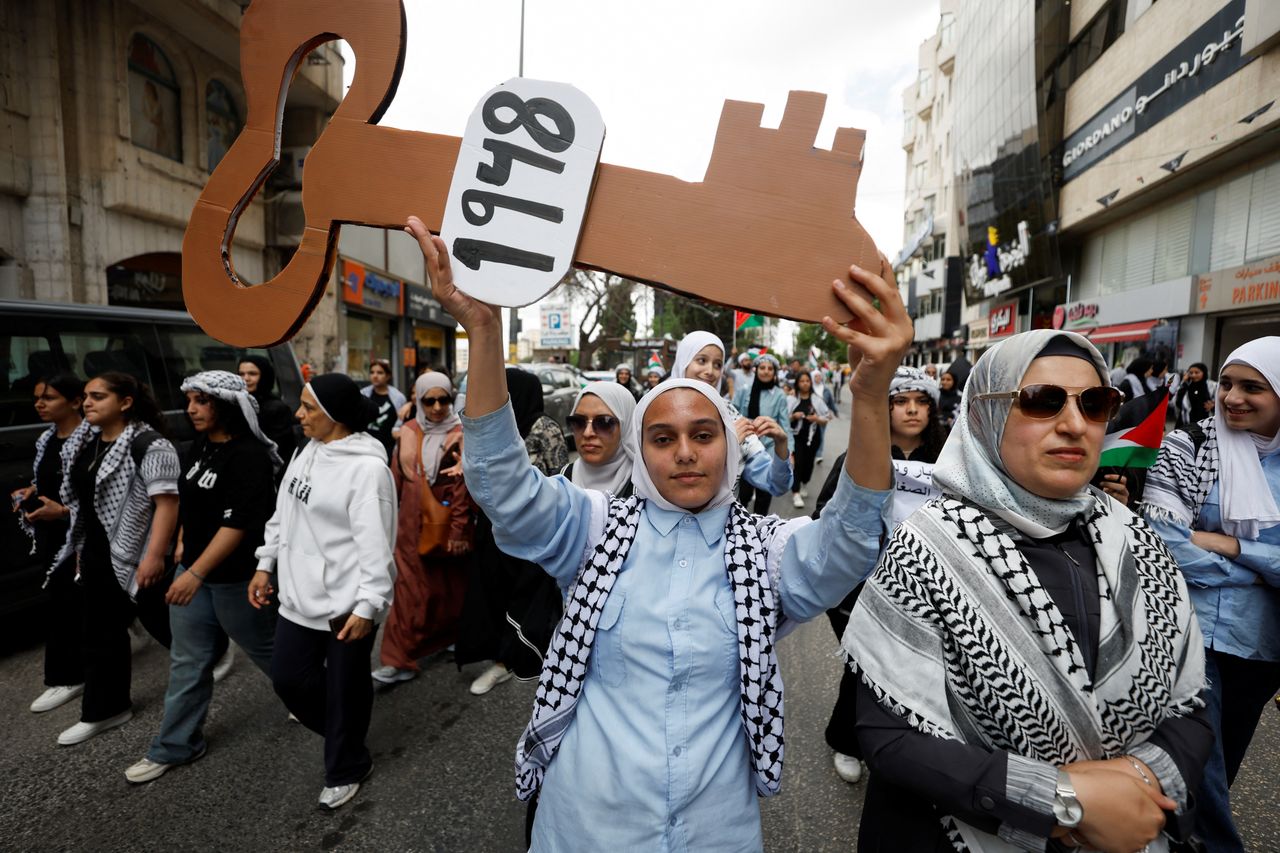
In Ramallah, Palestinians held a central march and public rally with broad official and popular participation, raising Palestinian flags, black banners and symbolic keys of return.
Similar events were held in Palestinian refugee camps in Arab and foreign countries, where participants carried signs bearing the names of Palestinian villages and cities depopulated in 1948, reaffirming the right of return and rejecting displacement.
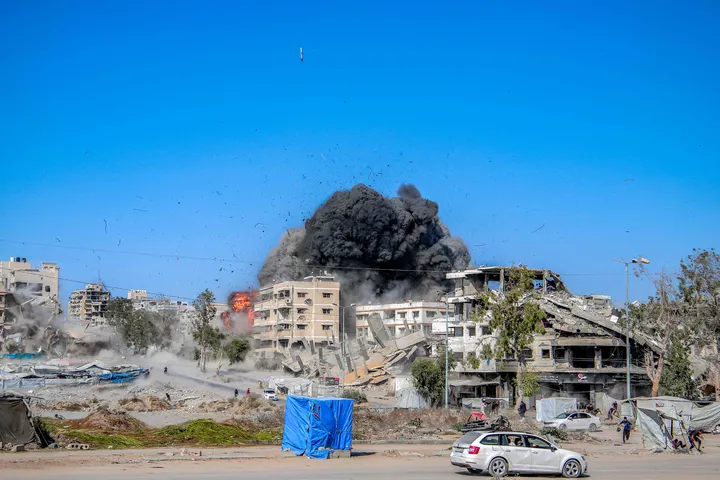
This year’s Nakba anniversary comes as Israel continues its genocide in Gaza since 2023 through deadly bombardment and restrictions on humanitarian aid, despite a ceasefire agreement that took effect on October 10 2025.
Israel’s brutality
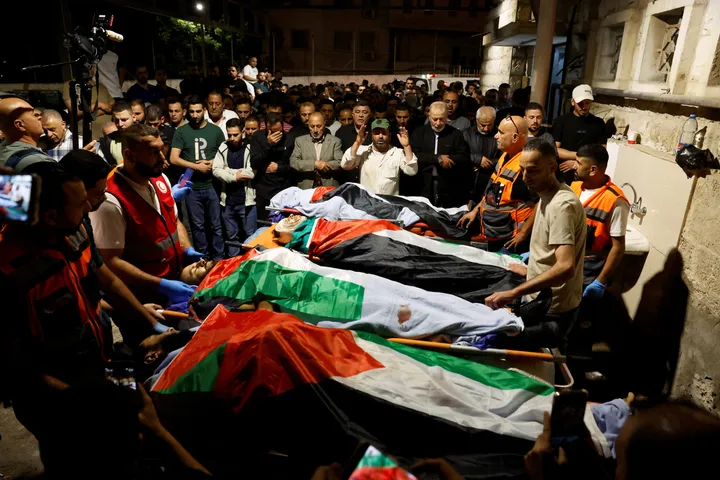
Since October 2023, Israeli attacks in Gaza have killed more than 72,000 Palestinians and wounded over 172,000 others, while causing massive destruction to homes, infrastructure, and vital facilities, in addition to a severe humanitarian crisis driven by siege conditions and shortages of food, water, and medicine.
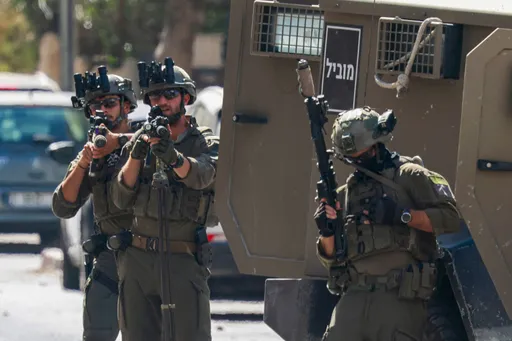
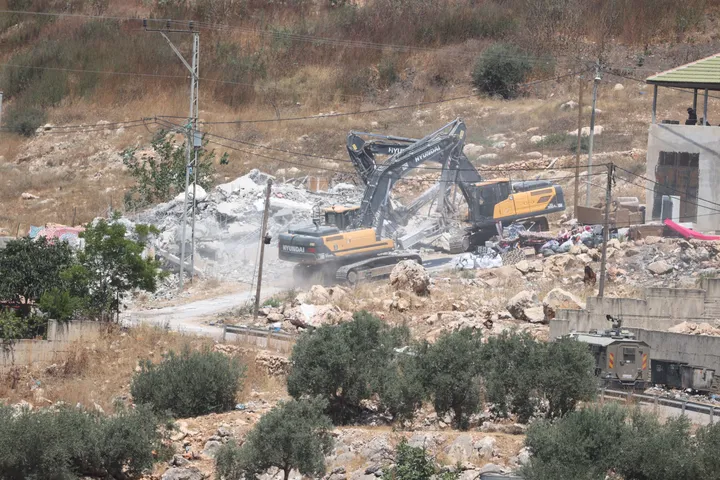
At the same time, the occupied West Bank, including East Jerusalem, has witnessed escalating Israeli military raids, arrests, road closures, occupiers' attacks and illegal settlement expansion.
The escalation in the occupied West Bank since October 2023 has killed more than 1,155 Palestinians, wounded around 11,750 others and led to the arrest of nearly 22,000 people, according to official Palestinian figures.
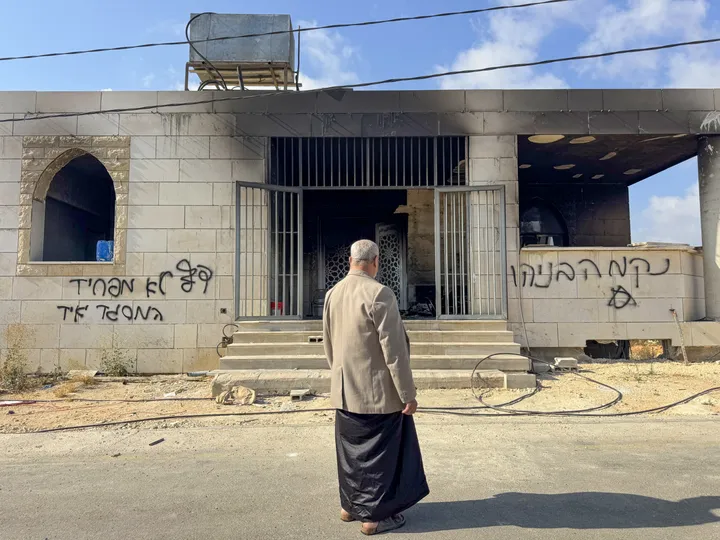
Illegal Israeli settlers’ violence has also intensified, including attacks on villages, arson, uprooting trees, and preventing farmers from reaching their land under Israeli military protection, according to official Palestinian reports.
Palestinian officials say the policies are part of a “systematic escalation” aimed at imposing new realities on the ground and undermining the possibility of establishing an independent Palestinian state.