Peace remains out of reach in southern Lebanon, the UN peacekeeping mission said on Tuesday, warning that ending the conflict permanently will require political commitments from the parties rather than peacekeeping alone.
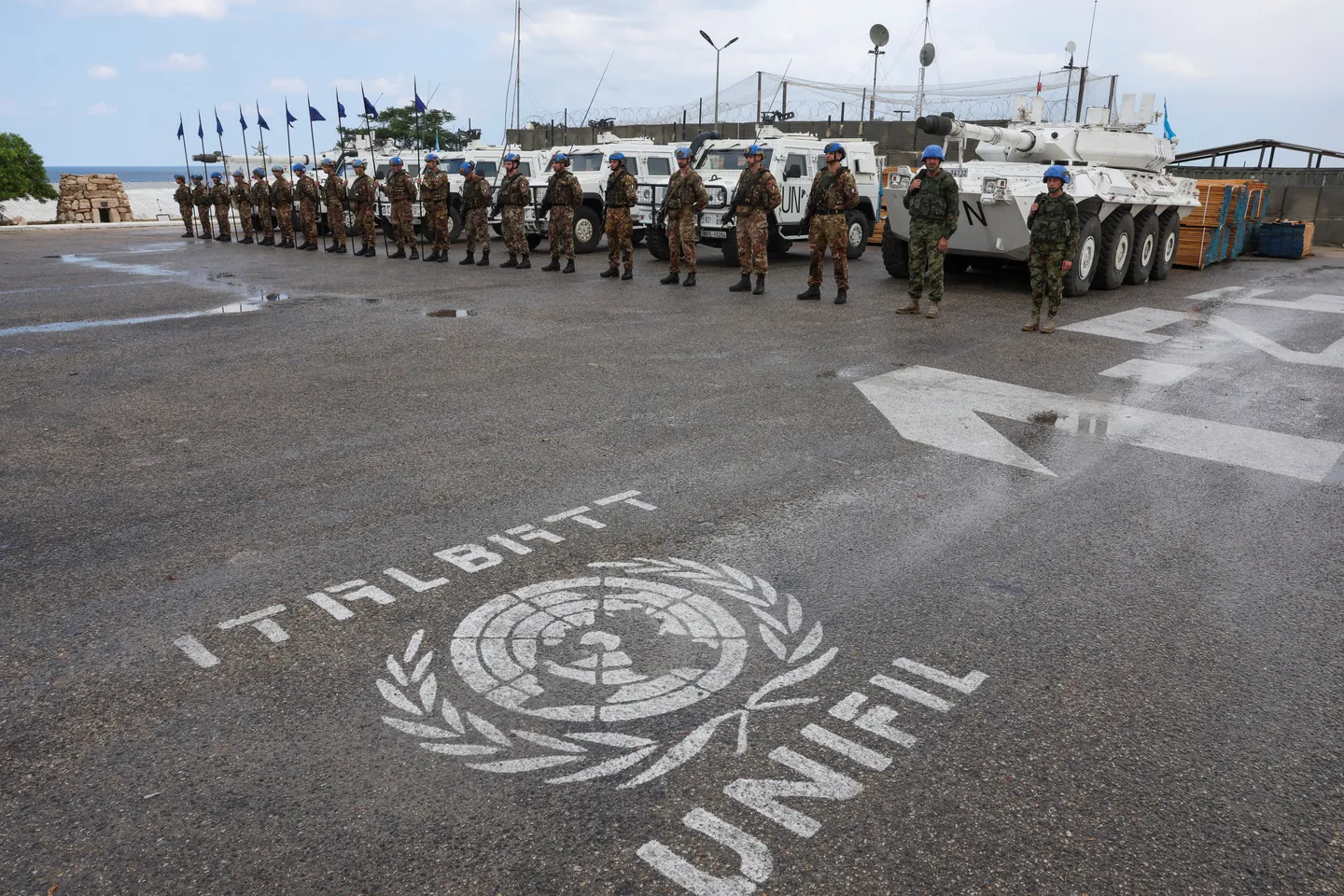
The UN Interim Force in Lebanon (UNIFIL) made the assessment as it marked the International Day of Peace at its headquarters in Naqoura.
The mission said its role is to reduce tensions, keep communication channels open and support the Lebanese Armed Forces, but that political decisions are ultimately needed to end the conflict.
“Peace in south Lebanon remains elusive, but the hope for peace endures,” UNIFIL said.
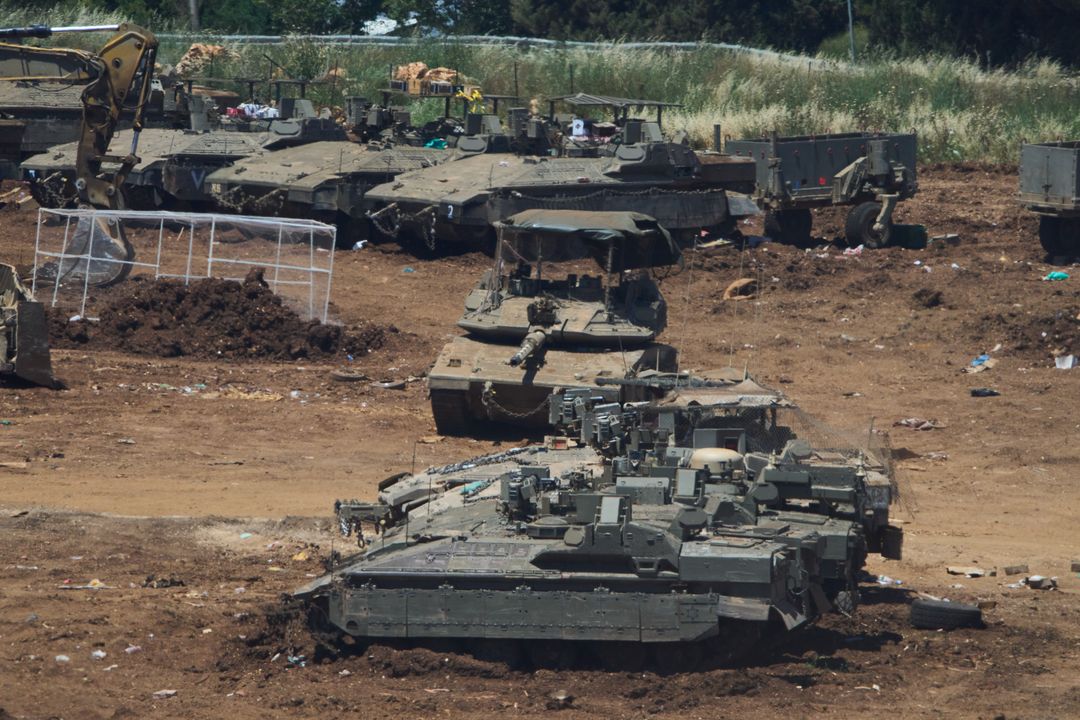
UNIFIL's mandate nears its end
UNIFIL commander Major General Diodato Abagnara said peacekeeping was an “enduring responsibility,” highlighting patrols, coordination with the parties and cooperation with the Lebanese Armed Forces.
He said full implementation of UN Security Council Resolution 1701 remains the foundation for lasting stability.
Adopted in 2006 after the Israeli attacks, the resolution calls for an end to hostilities and for the area between the Blue Line and the Litani River to be free of weapons and armed personnel other than the Lebanese army and UNIFIL.
UNIFIL is scheduled to begin its withdrawal at the end of 2026. Its planned departure has prompted discussions about how security and humanitarian responsibilities will be transferred, with European and Arab governments exploring possible alternatives and greater support for Lebanon's armed forces.

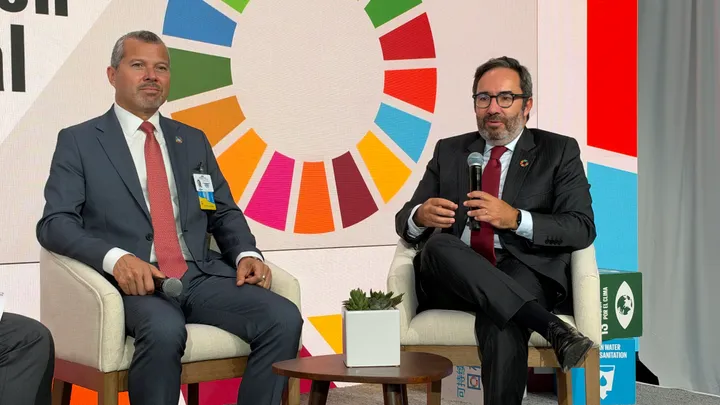
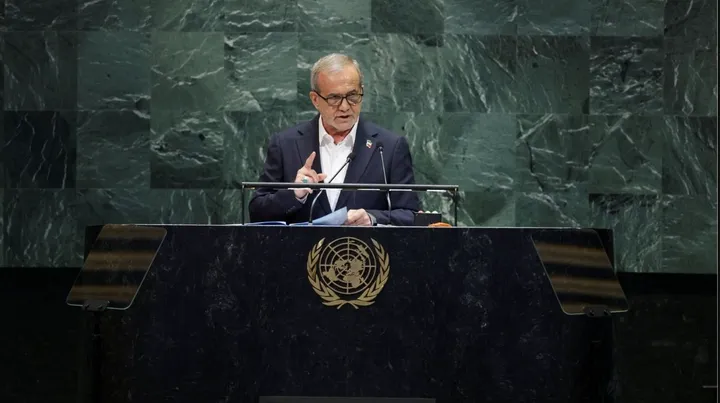


The mission has also increased cooperation and training with the Lebanese Armed Forces as Beirut seeks to strengthen state authority in the south.
Conflict continues to disrupt lives
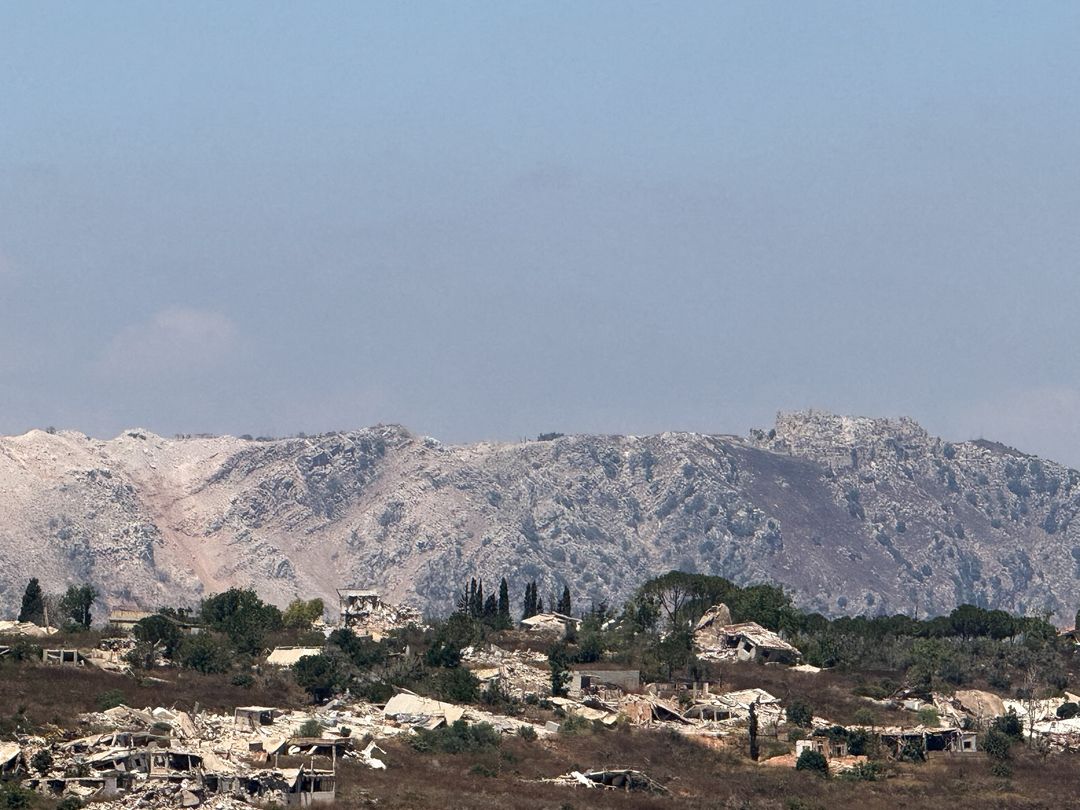
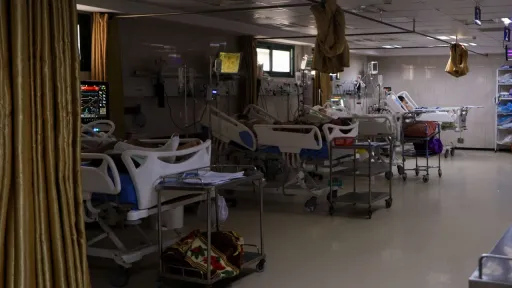
UNIFIL said the conflict has displaced thousands of people, damaged homes and infrastructure and caused civilian deaths and injuries.
Israel launched extensive attacks on Lebanon on March 2, saying they were aimed at Hezbollah targets, while Hezbollah responded with attacks against Israel.
The escalation effectively shattered the ceasefire agreement that had been in place since November 2024 and triggered a renewed Israeli military offensive across Lebanon.
Recent UN reporting has highlighted the challenges facing efforts to implement Resolution 1701, while UNIFIL continues to coordinate with the Lebanese army and maintain channels with the parties.
The International Day of Peace, established by the UN General Assembly in 1981, promotes ceasefires, nonviolence, tolerance, justice and human rights.
For UNIFIL, this year's observance carries added significance as the mission prepares for the end of its current mandate and a transition that UN officials say will require careful coordination to avoid a security vacuum.