 Sadiq S Bhat
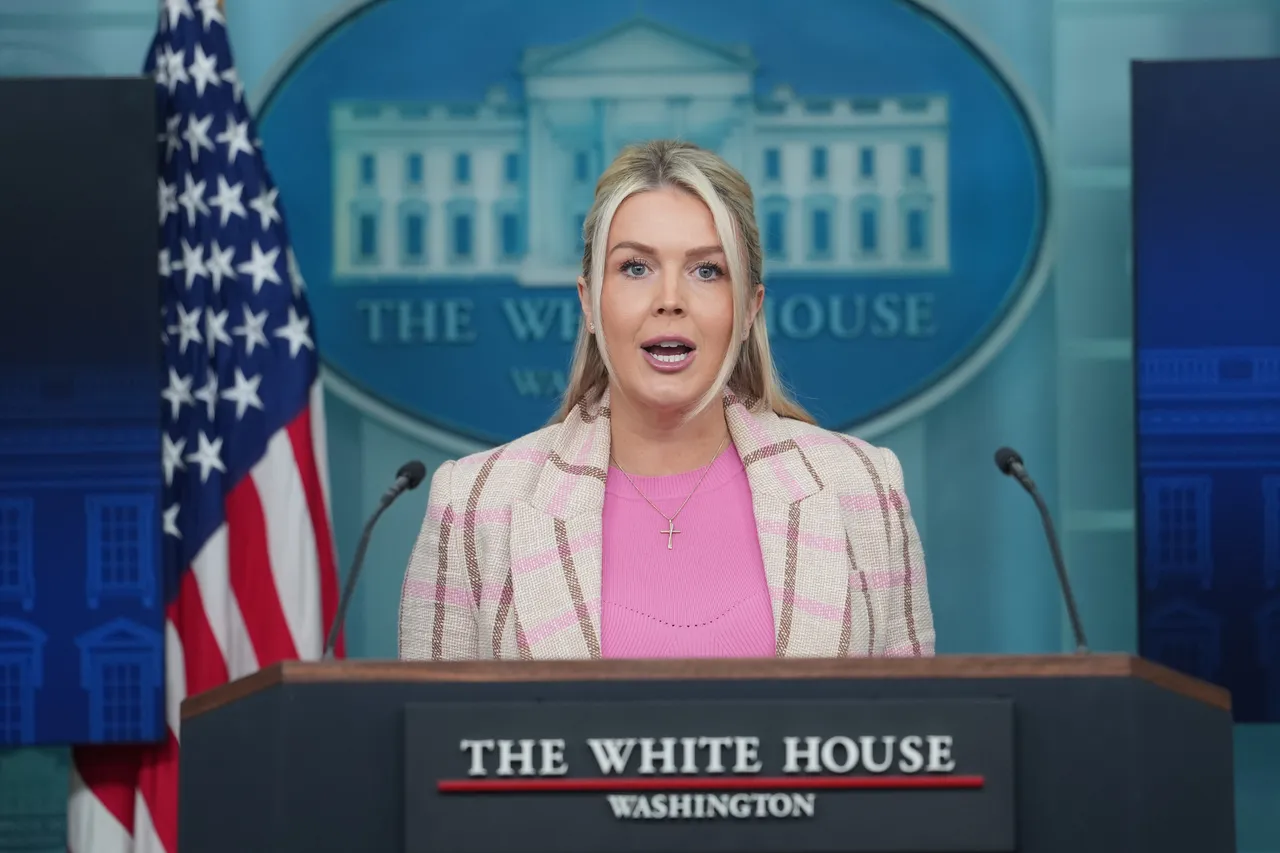
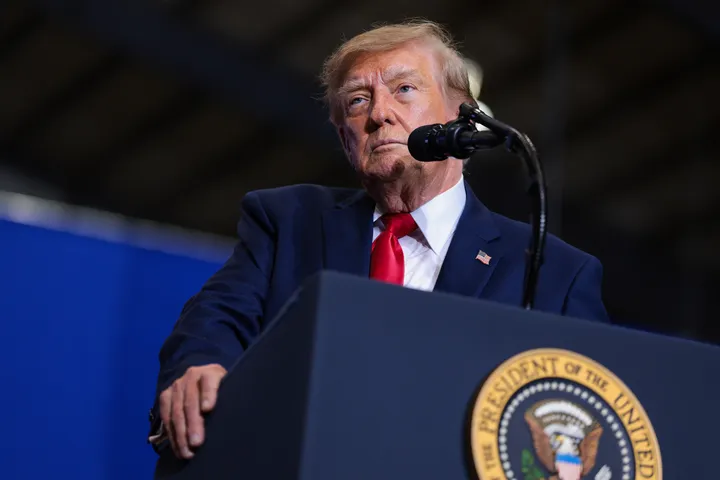
Washington, DC — The White House has said that the United States has not escorted any oil tankers through the Strait of Hormuz, contradicting a now-deleted claim by US Energy Secretary Chris Wright, even as President Donald Trump signals the military campaign against Iran could intensify in the coming days.
“I can confirm that the US Navy has not escorted a tanker or a vessel at this time, though of course that's an option,” White House press secretary Karoline Leavitt told reporters on Tuesday during a briefing as the war with Iran entered its eleventh day.
Leavitt said the now-deleted post had been taken down quickly and stressed that any decision to deploy naval escorts would rest with the president.
“That’s an option the president has said he will absolutely utilise if and when necessary at the appropriate time,” she said.
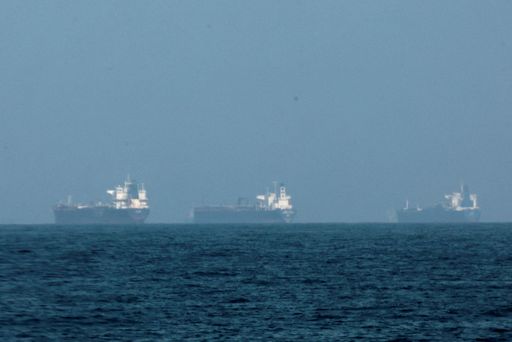
The clarification came amid growing tension around the narrow waterway near Iran, through which roughly a fifth of the world’s oil normally flows.
Shipping through the Strait has largely halted during the conflict, pushing global oil prices sharply higher.
“The US military is drawing up additional options following the president's directive to continue keeping the Strait of Hormuz open,” Leavitt said.
“I will not broadcast what those options look like, but just know the president is not afraid to use them.”
On Monday, crude surged above $119 a barrel, its highest level since 2022, stoking fears of wider disruption to global energy supplies.
Leavitt sought to reassure American consumers that the spike would not last.
“Rest assured, to the American people, the recent increase in oil and gas prices is temporary, and this operation will result in lower gas prices in the long term,” she said.
Targeting Missile Infrastructure
The White House insists the military campaign is progressing according to plan and remains focused on dismantling Iran’s strategic capabilities.
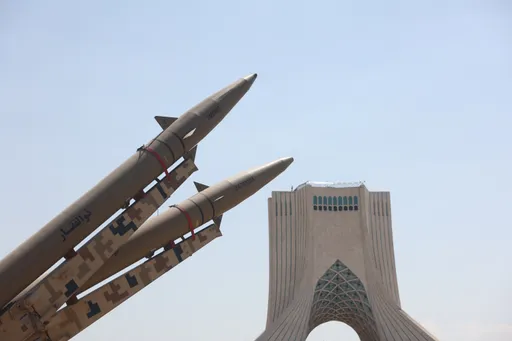
According to Leavitt, US forces are targeting missile production infrastructure and other military assets, part of what officials describe as a broader effort to degrade Iran’s ability to sustain the fight.
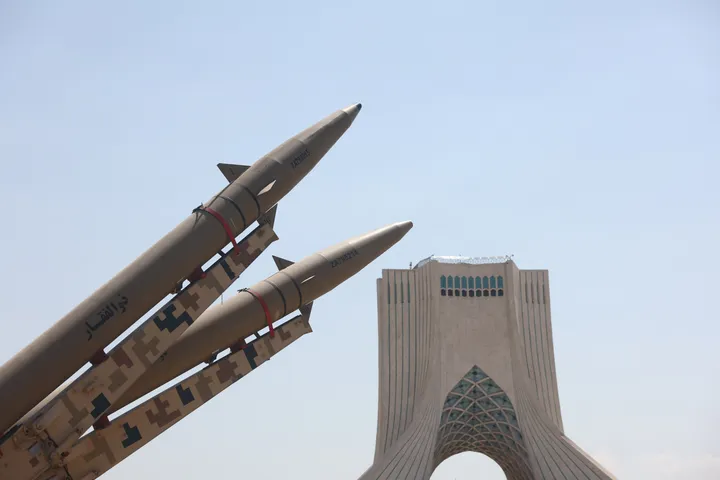
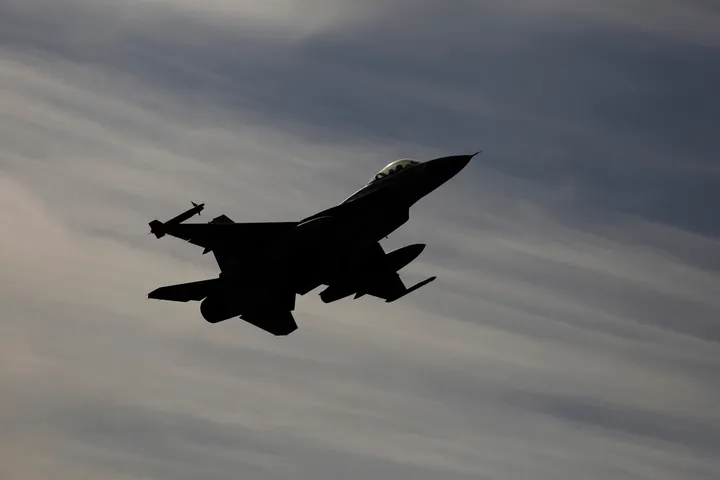

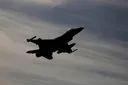
“The US military is moving to dismantle missile production infrastructure,” she said.
Trump, she added, remains confident that the objectives of the campaign will be achieved quickly.
“Once national security objectives are achieved, oil prices will drop,” Leavitt said. “The president remains confident those goals will be achieved swiftly.”
Behind the messaging lies a broader timeline that administration officials say has been unfolding for weeks.
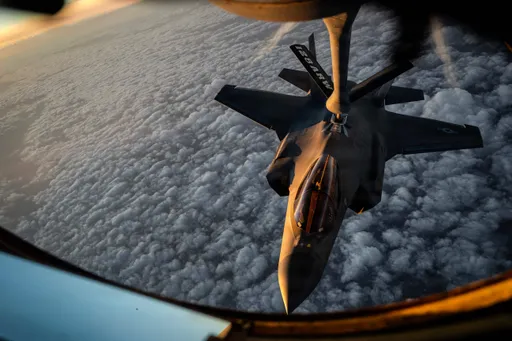
Military planners began positioning assets well ahead of the conflict, including missile deployments and additional naval destroyers in the region, as part of what officials describe as a four- to six-week operational window envisioned by Trump’s national security team.
The president suggested on Monday that the campaign could wrap up “very soon,” though Pentagon officials indicated that the coming phase could involve the most intense strikes yet.
Unmatched force ahead
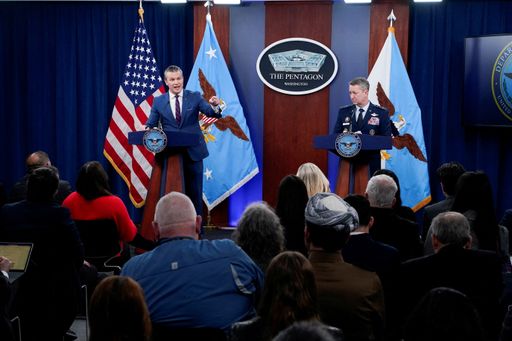
US Secretary of Defence Pete Hegseth told reporters earlier on Tuesday that the next round of strikes would be among the heaviest of the war.
Hegseth emphasised the scale and intensity of the campaign, calling it a focused effort to degrade strategic targets while protecting US forces.
Despite that escalation, the White House insists the endpoint is clear.
“Ultimately, the operations will end when the commander in chief determines the military objectives have been met and Iran is in a position of complete and unconditional surrender—whether they say it or not,” Leavitt said.
For now, Washington says its priority remains to keep the Strait of Hormuz open while avoiding steps that could further widen the conflict.
“If they do anything to stop the flow of oil or goods within the Strait of Hormuz,” Leavitt said, “they will be hit by the world’s most powerful military."